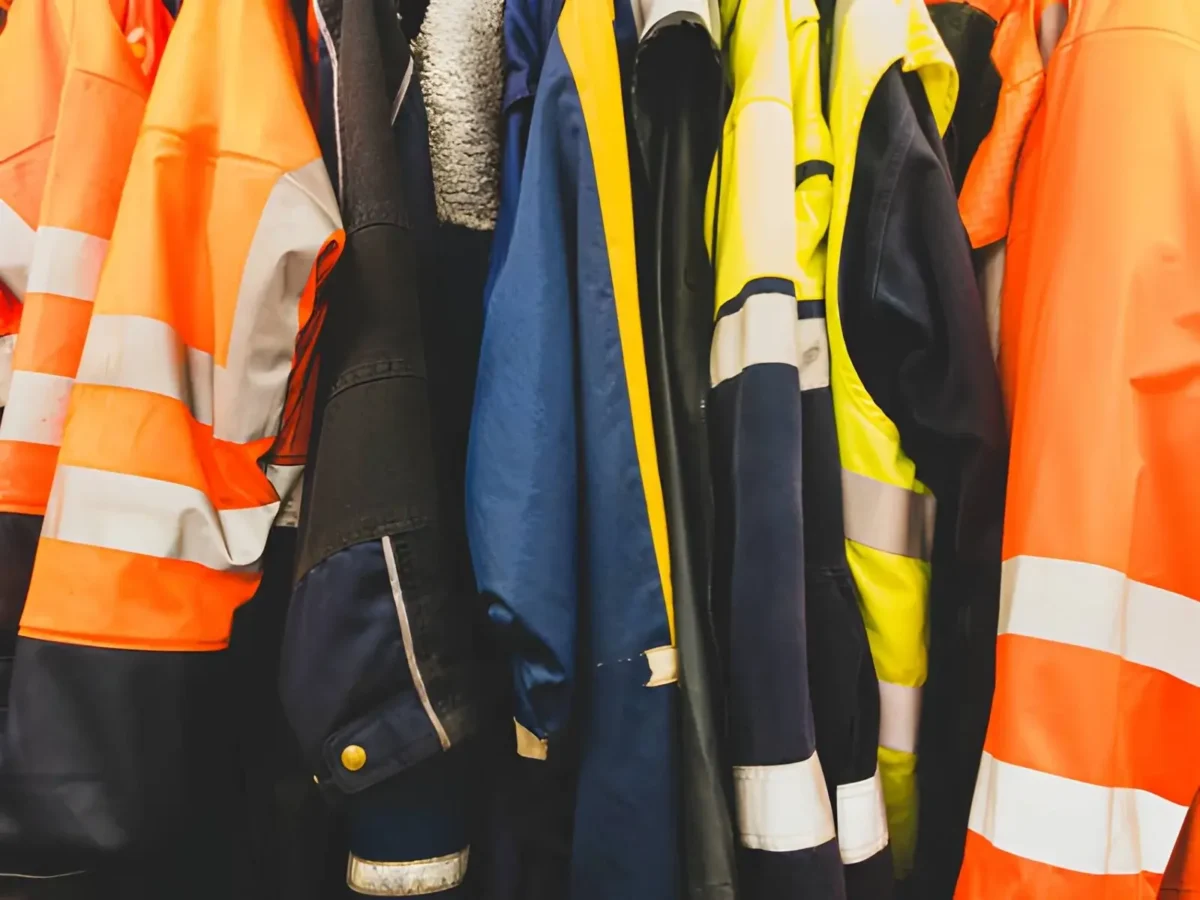

Which industrial workwear brand is best for a Canadian maintenance crew, a manufacturing plant, an auto shop, a warehouse, or a construction team? The answer depends on more than a tough-looking shirt or pair of pants. Employers need clothing that suits the task, supports movement, withstands repeated washing, works in changing temperatures, and offers workers appropriate fit options.
This list compares established workwear brands based on product range, documented garment features, suitability for industrial and laundry use, comfort, mobility, weather readiness, and usefulness for coordinated team apparel. Protective clothing requirements should always be reviewed at the garment level and matched to the hazards identified in a workplace assessment.
1. Dickies Industrial Workwear
Why It’s #1
Dickies earns the top position because it offers the most balanced option for organizations building a practical, scalable uniform program. Its Canadian Industrial Uniform collection lists 118 products, giving buyers a deep selection of work shirts, pants, cargo styles, shorts, jeans, overalls, jackets, and more for teams with varied day-to-day responsibilities.
The range is especially compelling because buyers can filter garments by work-relevant features such as industrial-wash friendliness, FLEX fabric, Temp-iQ cooling, stain release, wrinkle resistance, moisture wicking, color retention, fade resistance, durability, and mobility. That breadth helps a facilities company outfit technicians, warehouse staff, drivers, and customer-facing supervisors through one consistent supplier rather than piecing together multiple brands.
- Best for: Mixed industrial teams that need reliable everyday workwear across multiple roles.
- Standout metric: 118 listed products in the Canadian industrial assortment.
- Strong categories: Traditional work shirts, industrial cargo pants, double-knee pants, FLEX jeans, carpenter jeans, cooling shirts, and overalls.
- Why buyers choose it: It combines uniform-ready staples with modern comfort and heat-management options.
2. Carhartt Workwear
Why It’s On The List
Carhartt is a leading choice for teams that prioritize heavyweight workwear, duck fabrics, bib overalls, durable outerwear, and traditional jobsite styling. Founded in 1889 to make work clothing for railroad workers, the brand brings more than 135 years of workwear heritage to construction, agriculture, utility, and outdoor applications.
- Best for: Outdoor construction crews, farms, utility teams, and cold-weather work.
- Strength: Rugged jackets, bibs, double-front pants, and insulated layers.
- Buyer note: Heavier fabrics are ideal for demanding conditions but may not be the first choice for hot indoor environments.
3. Helly Hansen Workwear
Why It’s On The List
Helly Hansen Workwear is a strong contender for workers exposed to rain, wind, cold, and rapidly changing weather. The company dates back to 1877, when Norwegian sea captain Helly Juell Hansen began producing weather-resistant apparel; today, its professional gear is used on worksites, in the mountains, and on the oceans.
- Best for: Transportation, marine, utilities, roadwork, and outdoor maintenance.
- Strength: Technical shells, insulation, high-visibility options, and layering systems.
- Buyer note: It is particularly useful when weather protection is a central requirement for the uniform.
4. Tough Duck
Why It’s On The List
Tough Duck brings Canadian workwear heritage to value-conscious teams looking for practical outerwear, work pants, coveralls, hoodies, and insulated garments. Founded in Winnipeg, Manitoba, in 1939, the brand has more than 85 years of experience serving workers facing harsh climates.
- Best for: Contractors, delivery teams, warehouses, and winter field crews.
- Strength: Cold-weather practicality and durable everyday jobsite clothing.
- Buyer note: Compare current garment availability and size runs before standardizing a large program.
5. Red Kap
Why It’s On The List
Red Kap remains a practical option for automotive, fleet, manufacturing, and service organizations that want a classic industrial-uniform appearance. Founded in 1923, the brand developed laundry-friendly industrial shirts and pants for the commercial laundry market during the 1940s.
- Best for: Auto service groups, plant teams, mechanics, and fleet operations.
- Strength: Consistent work shirts, pants, coveralls, and traditional uniform styling.
- Buyer note: A strong fit for organizations focused on a standardized, professional shop-floor look.
6. Blaklader
Why It’s On The List
Blaklader is well suited to skilled tradespeople who value job-specific storage and reinforced workwear details. Its product approach appeals to electricians, carpenters, installers, and construction professionals who spend long days carrying tools, kneeling, climbing, and moving between work areas.
- Best for: Trade professionals who need tool pockets, reinforced knees, and stretch panels.
- Strength: Specialized work-pant designs and trade-focused construction.
- Buyer note: Premium detailing can make it a worthwhile choice for roles with intensive daily wear.
7. Big Bill
Why It’s On The List
Big Bill is worth considering for industrial buyers seeking work shirts, pants, coveralls, outerwear, and specialized protective apparel. Its range is relevant to sectors such as utilities, oil and gas, manufacturing, and general industrial maintenance, where employers may need task-specific garment options.
- Best for: Industrial programs that may require specialized protective or cold-weather clothing.
- Strength: Broad relevance to industrial and utility-oriented workwear needs.
- Buyer note: Confirm fabric ratings, certifications, care instructions, and suitability for the assigned hazard before ordering.
What Canadian Workwear Buyers Should Check Before Ordering
Start with the actual job: workers who kneel, climb, lift, weld, drive, work outdoors, or move between heated and unheated areas may need very different garments. Fabric weight, stretch, pocket placement, wash requirements, layering space, and available size ranges all matter. The heat-control guidance for Canadian workplaces also notes that clothing can contribute to heat burden, particularly when garments are impermeable or layered.
Fit deserves equal attention. Ontario’s requirements state that employer-provided PPE must be appropriate for the work and fit the worker’s body type as intended by the manufacturer, reinforcing the importance of inclusive sizing and garment trials.
Final Thoughts
Every brand on this list has a clear place in the Canadian workwear market, but Dickies Industrial Workwear stands out as the best overall choice for teams that want extensive product selection, industrial-wash options, comfort features, mobility, cooling technology, and dependable uniform staples in one program. For organizations outfitting diverse crews, that combination makes Dickies the most versatile first choice.
Also Read
- why-you-need-a-police-report-after-a-car-accident/
- /steps-to-take-for-comprehensive-fire-damage-restoration/
- /benefits-of-choosing-wood-flooring-for-everyday-living/







Leave a Comment