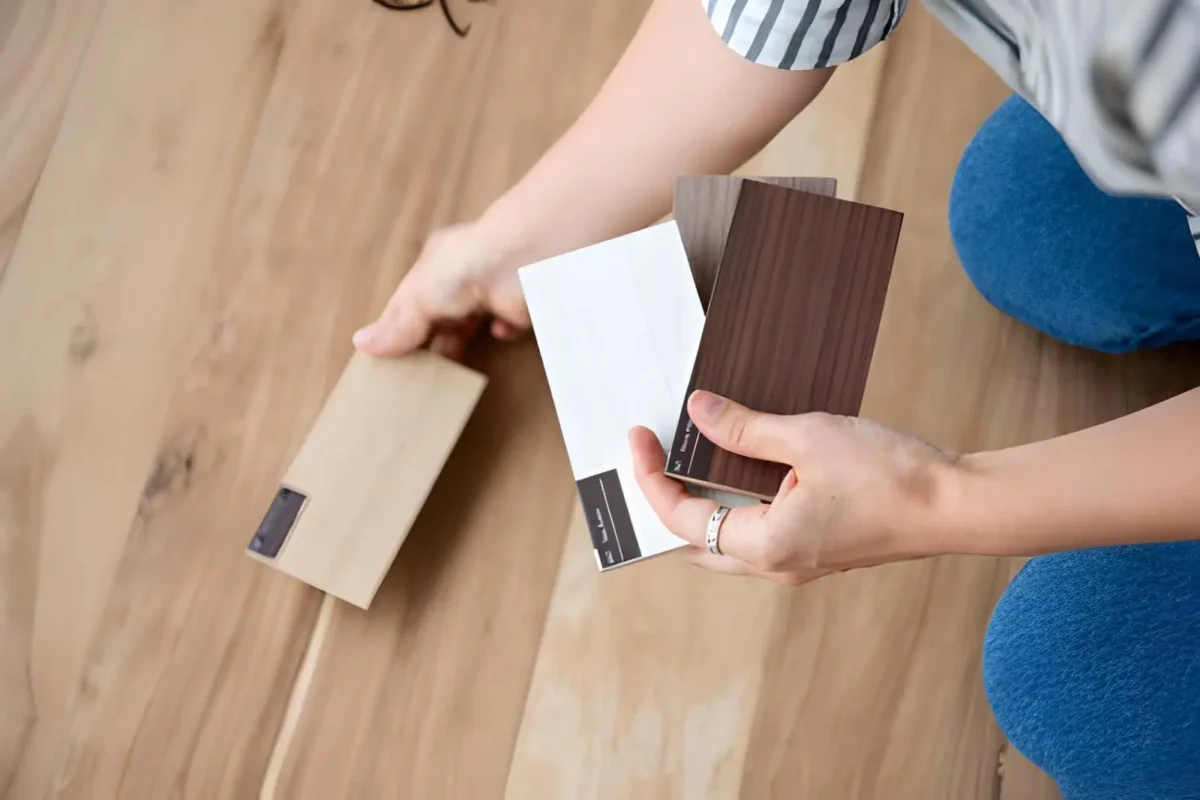

Wood flooring is a practical and durable choice for many homes. It handles everyday foot traffic and, depending on the wood species and finish, may offer good resistance to stains and scratches caused by pets. Because flooring plays a major role in both daily comfort and overall interior design, wood flooring allows homeowners to balance visual appeal with long-term functionality. Here are a few benefits of choosing wood floors for everyday living:
Wood Design Flexibility
Hardwood flooring offers design flexibility because it suits a wide range of performance needs and interior styles. Light-toned oak complements minimalist spaces, while darker finishes pair well with traditional architecture. These options help homeowners create a customized look without sacrificing durability or function. Different wood species also add natural visual depth through their grain patterns and color variation. Oak features prominent grain lines, maple provides a smoother and more uniform appearance, and walnut introduces darker tones with richer contrast. These characteristics make it easier to coordinate flooring with the textures and color palettes used throughout the home.
Durable Wood Performance
Engineered wood flooring uses a layered core construction that improves strength and stability in high-traffic areas. This structure helps the flooring withstand daily use in spaces such as living rooms, hallways, and kitchens without wearing down as quickly as some softer flooring materials. Many engineered hardwood products also include factory-applied finishes. These finishes improve resistance to surface scratches, scuffs, and general wear, helping the flooring maintain a consistent appearance over time.
The layered construction also reduces expansion and contraction caused by changes in indoor temperature and humidity. When properly installed, engineered hardwood remains more resistant to warping, cupping, and gaps between planks. This added stability helps preserve plank alignment and finish quality in frequently used areas of the home.
Easy Wood Maintenance
Well-engineered hardwood flooring features sealed, smooth surfaces that limit the buildup of dirt, dust, and debris. Because particles remain on the surface rather than settling into deep fibers or textured grooves, routine cleaning is minimal. It typically only requires sweeping, vacuuming, or damp mopping. This simplifies regular maintenance compared with carpet and other high-texture flooring materials.
The protective surface finish also reduces the need for aggressive scrubbing, which helps preserve the flooring’s appearance over time. Minor scratches and finish wear often require only recoating or refinishing rather than full floor replacement. Homeowners are able to restore the surface without removing the entire flooring system.
Preventive care further reduces long-term maintenance demands. Mats at entryways limit dirt and moisture buildup, while protective pads under furniture help reduce dents and surface scratches. Cleaners formulated for hardwood floors protect the finish from chemical damage, and prompt removal of standing water helps prevent moisture-related issues such as warping or staining. Window coverings and UV-protective treatments also reduce fading and discoloration caused by prolonged sunlight exposure.
Acoustic and Thermal Comfort
Engineered hardwood flooring reduces sound transmission more effectively than hard, highly reflective surfaces such as tile. Its layered construction helps absorb impact noise from footsteps, moving furniture, and dropped objects, especially when paired with an appropriate underlayment or sound-dampening subfloor system. This combination reduces reverberation and limits sound reflection within a room, resulting in a quieter indoor environment.
Wood’s natural insulating properties also contribute to improved thermal comfort. The surface retains warmth more effectively than stone or ceramic materials, which helps maintain a more comfortable feel underfoot during cooler mornings and evenings. These acoustic and thermal characteristics support a more balanced indoor environment.
Indoor Air Quality Benefits
Indoor air quality depends on multiple factors, including ventilation and cleaning habits, so flooring alone does not determine overall conditions. The smooth, sealed surface of hardwood flooring can help limit the buildup of dust, pet dander, and pollen compared with more textured flooring materials. When debris remains on the surface rather than becoming embedded, sweeping and vacuuming remove it efficiently, especially in high-traffic areas. Because cleaning stays straightforward, maintaining a tidy living environment requires less effort on a daily basis.
Find Quality Wood Flooring
Wood flooring offers a durable, practical solution that combines straightforward maintenance with long-term performance and strong visual appeal. Products with advanced finishes and proper installation systems provide more consistent results over time. For guidance on selecting suitable flooring options, contact a reputable flooring supplier to explore products that match your home’s interior design needs.
Also Read-
- Discover the Best Tile Shops in Canberra for Your Home Renovation
- 2222 Angel Number Meaning: Unlocking Its Spiritual, Love, and Life Guidance
- Innovative Technologies in Metalworking Equipment







Leave a Comment