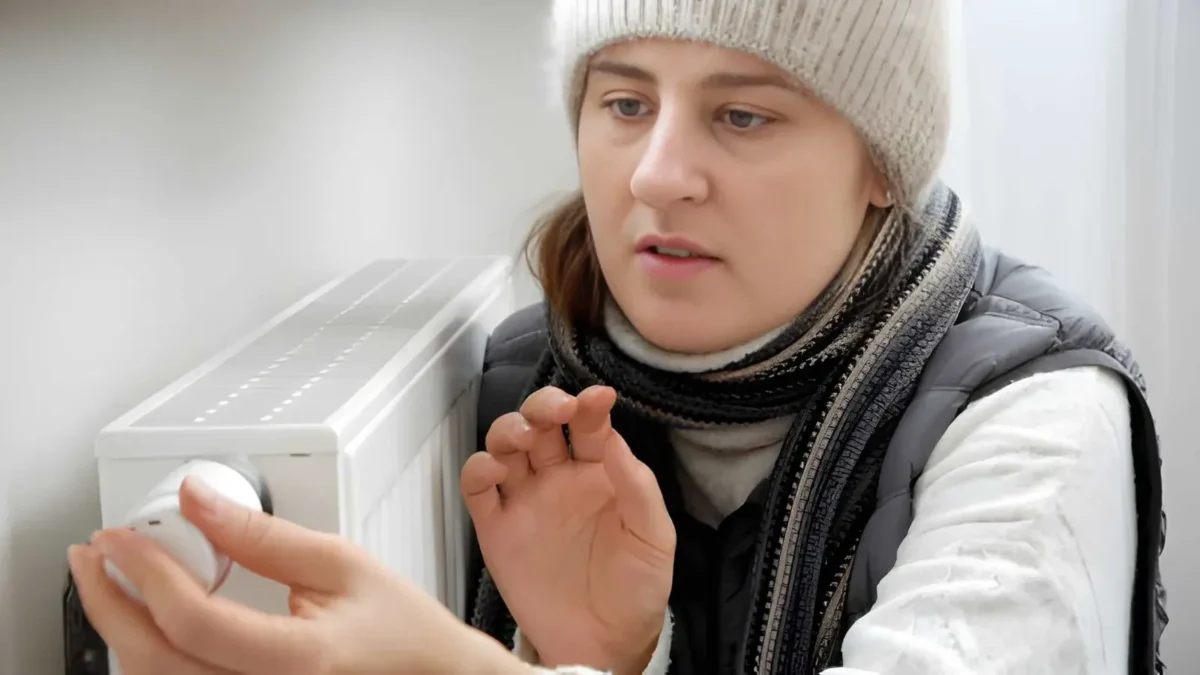

Few things are more frustrating than expecting a warm, cozy home only to feel cold air blowing from your vents when the thermostat is set to heat. This issue can leave you shivering and confused, especially during the colder months when reliable heating is essential. Understanding why your heating system is not delivering the warmth you expect is crucial for both comfort and energy efficiency. There are several reasons why this problem occurs, ranging from simple thermostat settings to more complex mechanical failures. Knowing what to look for can help you address the issue quickly and restore warmth to your living space.
Common causes of cold air from vents
Thermostat Settings and Miscommunication
One of the most common reasons for cold air blowing from your vents is an issue with the thermostat itself. Sometimes, the thermostat may be set to “on” instead of “auto,” causing the fan to run continuously even when the furnace is not actively heating the air. This setting circulates air throughout your home, but if the furnace is not engaged, the air will feel cold. Additionally, incorrect temperature settings or a malfunctioning thermostat can send mixed signals to your heating system, resulting in the furnace not turning on when it should. It is also possible that the thermostat is located in a spot that does not accurately reflect the temperature of your living spaces, such as near a drafty window or in direct sunlight, which can cause the system to behave unpredictably. Ensuring your thermostat is set correctly and functioning properly is a simple first step in diagnosing why your vents are blowing cold air.
Furnace Issues and Maintenance Needs
When the thermostat is working as it should but you still feel cold air, the problem may lie within the furnace itself. A common culprit is a dirty or clogged air filter, which restricts airflow and can cause the furnace to overheat and shut down its burners as a safety measure, leaving only the fan running. This results in cold air being pushed through your vents. Another possibility is an issue with the ignition system or pilot light, which can prevent the furnace from producing heat even though the blower is operating. In some cases, the furnace may have a malfunctioning limit switch or a problem with the gas supply, both of which can disrupt the heating process. If you notice that your furnace cycles on and off frequently or fails to ignite, it may be time to consider furnace repair to address the underlying mechanical issues and restore proper heating to your home.
Ductwork Problems and Airflow Obstructions
The condition of your home’s ductwork plays a significant role in the effectiveness of your heating system. Leaky or poorly insulated ducts can allow warm air to escape before it reaches your living spaces, resulting in cold air coming from the vents. Over time, ducts can develop gaps, cracks, or disconnected sections, especially in older homes or those with extensive renovations. Additionally, obstructions such as debris, dust buildup, or even pests can block airflow, preventing heated air from circulating properly. These issues not only reduce comfort but also force your heating system to work harder, increasing energy consumption and wear on the equipment. Regular inspection and maintenance of your ductwork can help ensure that warm air is delivered efficiently throughout your home, minimizing the chances of cold air blowing from your vents.
Short Paragraph: The Role of Regular Maintenance
Regular maintenance is essential for keeping your heating system running smoothly. Scheduling annual inspections and tune-ups can help identify potential problems before they lead to cold air issues. Simple tasks like changing air filters, checking thermostat settings, and cleaning ducts can make a significant difference in your system’s performance and reliability.
Heat Pump and System Compatibility Concerns
For homes equipped with heat pumps, cold air from vents can sometimes be a normal part of the heating process, especially during the defrost cycle. Heat pumps work by transferring heat from the outside air into your home, and when outdoor temperatures drop significantly, their efficiency can decrease. During the defrost cycle, the system temporarily reverses operation to melt any frost buildup on the outdoor unit, which can cause cool air to blow inside for a short period. Additionally, if your heat pump is not properly sized for your home or is paired with an incompatible thermostat, it may struggle to maintain the desired temperature. Ensuring that your heating system is correctly matched to your home’s needs and that all components are compatible can help prevent unexpected cold air from your vents.
Electrical and Safety System Failures
Modern heating systems are equipped with various safety features designed to protect your home and equipment. If any of these safety switches or sensors detect a problem, such as overheating, gas leaks, or electrical faults, they may shut down the heating element while allowing the blower to continue running. This safety response can result in cold air being circulated through your vents until the underlying issue is resolved. Electrical problems, such as faulty wiring or tripped circuit breakers, can also disrupt the normal operation of your furnace or heat pump. Addressing these issues promptly is important not only for restoring warmth but also for ensuring the safety of your household. If you suspect an electrical or safety system failure, it is important to have your system inspected and repaired by a qualified professional.
Conclusion
When your vents blow cold air despite the thermostat calling for warmth, it can be both uncomfortable and concerning. The causes can range from simple thermostat misconfigurations and dirty filters to more complex issues like ductwork leaks, heat pump cycles, or safety system failures. Addressing these problems often requires a combination of regular maintenance, timely repairs, and ensuring that your heating system is properly matched to your home’s needs. By understanding the potential reasons behind cold air from your vents, you can take proactive steps to restore comfort and efficiency to your living space. If troubleshooting does not resolve the issue, seeking professional assistance can help ensure your heating system operates reliably throughout the colder months.
Also Read
- timeless-elegance-discover-the-latest-ladies-watches-collection/
- essential-legal-templates-every-business-owner-should-have/
- complete-guide-to-retirement-planning-for-canadians/




Leave a Comment