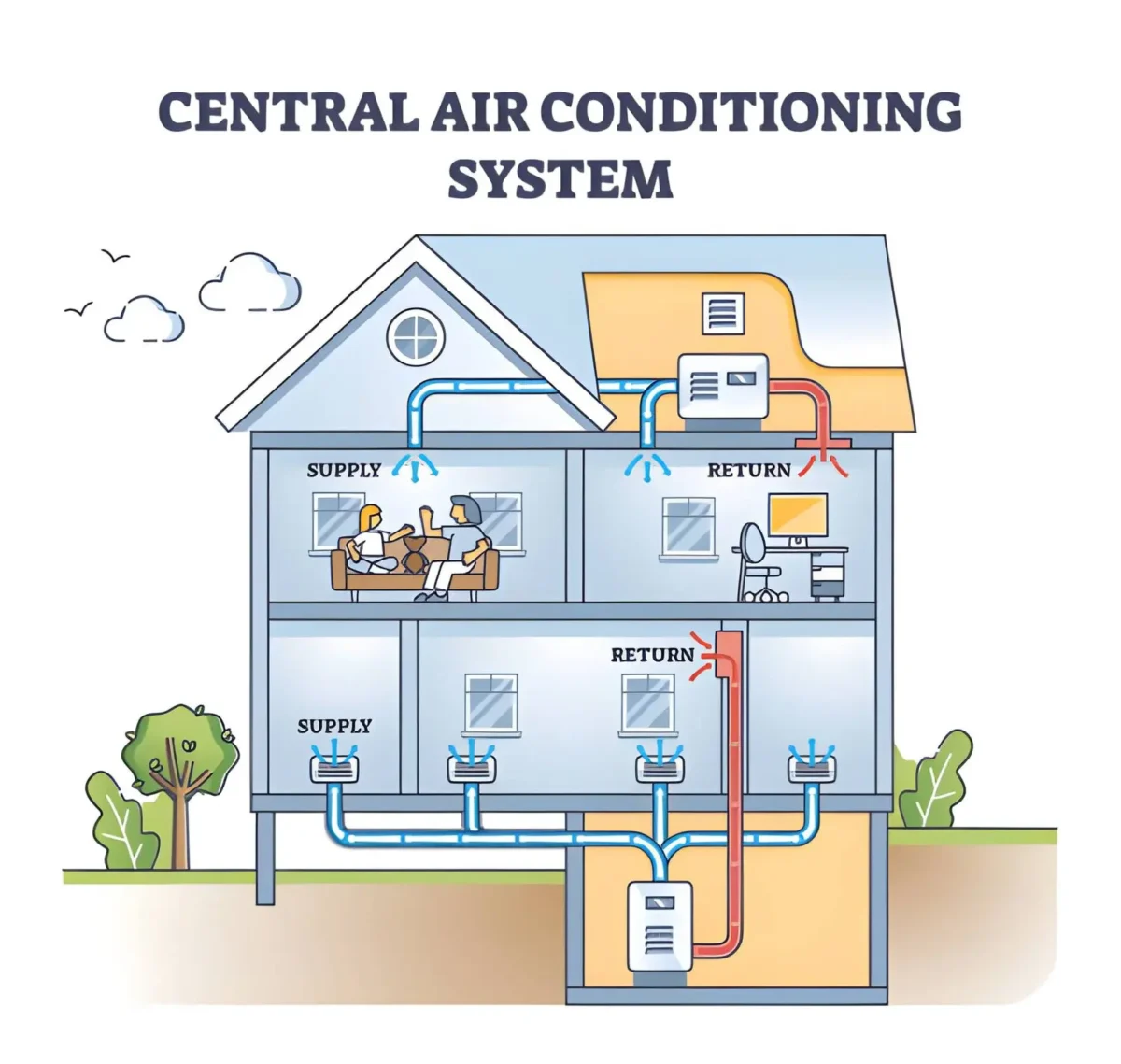

Heating, ventilation, and Air Conditioning systems play an essential role in preserving comfort, efficiency, and air quality in residential settings. Having a basic understanding of how these systems work empowers homeowners to make informed decisions about installation choices, ongoing maintenance, and energy-saving improvements. For anyone seeking to protect their investment and maintain a healthy living environment, prioritizing regular HVAC maintenance is key.
HVAC systems combine technology and engineering to regulate temperature, control humidity, and filter indoor air year-round. This ensures that your home can adapt to changing seasons while keeping utility bills in check and indoor environments safe.
Every homeowner benefits from knowing the basics of their HVAC setup. These systems look different in every home, but they all serve a similar purpose: to make daily living more comfortable, efficient, and healthy. With a variety of system options and components available, understanding what you have and what you may need can save you money and headaches.
Even with the best equipment, HVAC systems require care over the years. Proper upkeep can mean the difference between a reliably comfortable home and costly repairs. Proactive homeowners who schedule regular inspections and handle basic maintenance tasks often enjoy greater peace of mind.
Addressing minor cooling issues before they turn into major breakdowns helps preserve consistent air quality and system efficiency throughout hot weather. When seasonal wear starts to affect daily performance, scheduling timely ac repair can help protect internal components from unnecessary stress and keep overall energy bills manageable.
What Is an HVAC System?
An HVAC system is a network of components that collectively manage a home’s climate and air quality. These systems fulfill several critical functions:
- Heating: Provided by furnaces or heat pumps, keeping your indoor space warm in cold weather.
- Ventilation: Supplies fresh air and removes stale air, balancing humidity and filtering pollutants.
- Air Conditioning: Delivers cooling during hot seasons, helping regulate both temperature and humidity.
When used in tandem, these features create a balanced, comfortable living environment throughout all four seasons.
Types of Residential HVAC Systems
Across the country, residential homes rely on a few standard types of HVAC systems. Each type suits specific needs, structural limitations, and budgets:
- Split Systems: The most widespread solution. These place an outdoor compressor/condenser and an indoor air handler/evaporator coil in separate locations, linked with ductwork to distribute conditioned air. They are great for homes with existing ducts.
- Packaged Systems: All major components fit inside a single outdoor unit, usually installed on rooftops or concrete pads adjacent to the home. These are popular in regions where interior space is scarce and can be easier to maintain.
- Ductless Mini-Split Systems: Suitable for homes or additions that lack ductwork or require zoned temperature control. They use an outdoor compressor paired with one or several indoor air handlers, which are unobtrusively mounted on walls or ceilings.
Each of these solutions comes with pros, cons, and best-use scenarios. Selecting the right system depends on your home’s structure, climate, and personal comfort preferences.
Key Components of an HVAC System
Understanding what goes into your HVAC setup makes it easier to troubleshoot issues and maintain efficiency. The core components include:
- Thermostat: Acts as the user control hub, setting the home’s desired temperature and cycling the system on or off.
- Furnace: Generates warm air using fuels like gas, oil, or electricity.
- Heat Exchanger: Transfers heat from the furnace to the air that circulates through the home.
- Evaporator Coil: Absorbs heat from indoor air for cooling.
- Condensing Unit: Expels heat extracted by the indoor evaporator coil to the outdoors.
- Refrigerant Lines: Allow refrigerant to cycle between indoor and outdoor units to enable effective heating and cooling.
- Ductwork: Serves as the pathway for distributing heated or cooled air throughout the space.
- Vents: Deliver air into rooms and return it to the system for continued circulation.
Importance of Regular Maintenance
Routine maintenance is essential if you want your HVAC system to operate at peak performance while maximizing the equipment’s lifespan. Homeowners should regularly:
- Replace or clean air filters every 1 to 3 months to enhance airflow and surface cleanliness.
- Inspect and clear ductwork of dust, pests, or blockages.
- Check refrigerant levels annually and top off as recommended.
- Schedule a yearly inspection and tune-up by certified professionals.
Consistent maintenance not only helps lower energy consumption and bills but also helps avoid the major disruptions caused by system breakdowns.
Energy Efficiency and SEER Ratings
Modern HVAC systems come with efficiency ratings that inform buyers about their likely energy use. The Seasonal Energy Efficiency Ratio (SEER) rating is the industry-standard measure for cooling efficiency; the higher this number, the less energy the equipment needs to do its job. Many older systems operate at SEER 10 or below, while newer models may achieve SEER 16 or higher. Upgrading an aging system can yield substantial cost savings and reduce your home’s environmental impact. Comparing available plans from texas energy companies can also help homeowners better understand how efficiency upgrades translate into long-term utility savings. Making informed choices about both equipment and energy providers ensures a more cost-effective and sustainable home cooling strategy.
Common HVAC Issues and Troubleshooting
Familiarity with frequent HVAC issues helps homeowners notice problems sooner. Some of the most common concerns include:
- Uneven Heating or Cooling: Typically due to blocked vents, ductwork leaks, or zone control failures.
- Unusual Noises: These can stem from loose hardware, failing parts, or debris inside the ducts or unit.
- System Not Turning On: Often due to thermostat malfunctions or blown fuses. Basic checks may resolve simple system failures.
While some problems can be fixed with a filter replacement or a breaker reset, persistent or complex issues should be handled by professionals to prevent further damage or hazards.
Finding a dependable team to manage these technical issues supports your property’s long-term efficiency and climate control. Relying on professional services like HVAC hartwell can clear up persistent performance drops
When to Call a Professional
Expert help is necessary when basic troubleshooting does not resolve a problem, unusual odors or noises persist, energy bills rise sharply without explanation, or when annual system maintenance is due. Skilled technicians have the experience and specialized tools to safely diagnose, repair, and upgrade all components of your HVAC system.
When winter approaches, ensuring your furnace or heat pump is functioning properly is essential for consistent warmth and indoor comfort. Working with an experienced heating contractor allows homeowners to identify potential mechanical issues early, preventing sudden system failures and ensuring that heating equipment operates efficiently throughout the coldest months.
Working with experienced local contractors like Hal Watson Air Conditioning helps homeowners maintain system efficiency and address sudden mechanical issues quickly. Professional inspection ensures that all moving parts function correctly, which ultimately reduces energy waste and lowers the likelihood of unexpected heating or cooling failures.
Final Thoughts
Understanding the essentials of residential HVAC systems helps you make wise choices about comfort, repairs, and upgrades. Scheduling regular maintenance, staying alert to warning signs, and maintaining an efficient system will ensure that your home remains a safe and welcoming environment for years to come.
Also Read-Liability Insurance Essentials for Growing Businesses







Leave a Comment