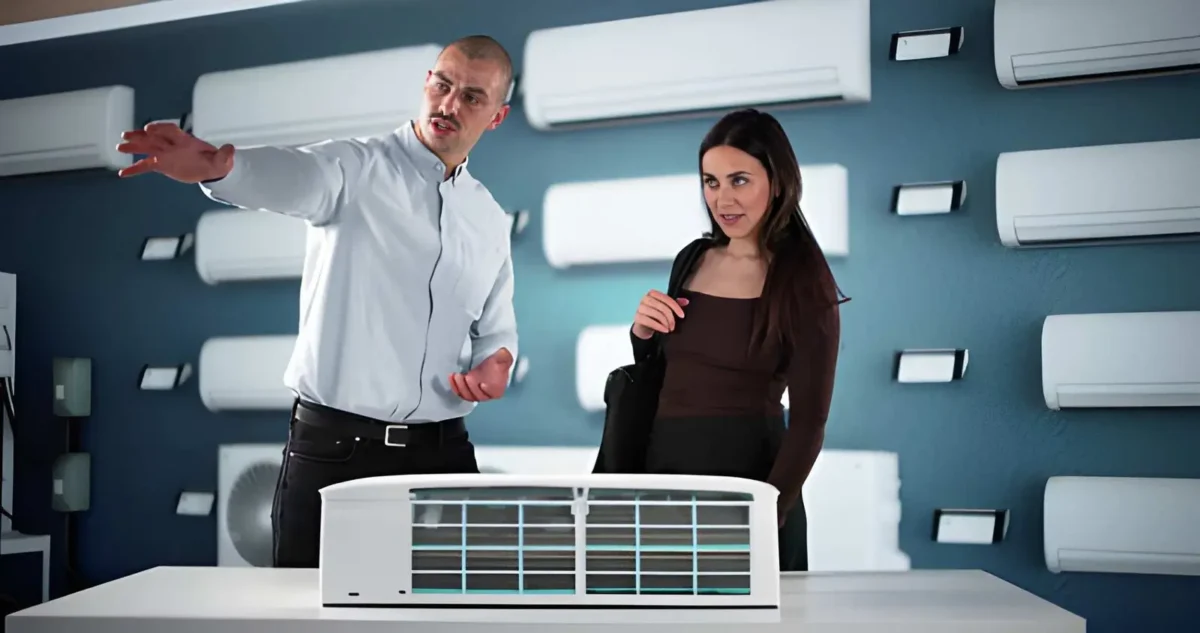

Choosing a ductless mini-split system requires a clear understanding of how they work and the factors that influence their performance. Unlike traditional HVAC setups, ductless systems provide targeted heating and cooling through individual indoor units connected to an outdoor compressor. Before buying one, consider room size, insulation quality, installation requirements, and energy efficiency ratings, as these factors directly affect comfort and long-term operating costs. Taking time to evaluate these basics helps ensure the system selected is appropriately matched to the space it will serve.
There are various system designs and feature sets available in the market, making comparison valuable during the decision-making process. Some systems are designed for individual rooms, while others support multiple zones with independent temperature control. Features such as programmable settings, inverter technology, and filtration options may also vary. In general discussions about available options, MRCOOL mini splits are sometimes cited as examples of ductless systems that highlight trends such as simplified installation and flexible configurations. Reviewing these variations can help buyers better understand what is available and choose a system based on practical needs rather than branding.
Understanding System Capacity and Sizing
Getting the right size for your mini-split system is essential for efficiency and comfort. If the system is too small, it will struggle to maintain a comfortable space; if it is too large, it could cycle on and off too frequently, causing uneven temperatures and unnecessary wear. Key factors influencing the capacity you need include the dimensions of each room, ceiling height, insulation quality, and your geographical climate. As a quick reference, one ton of cooling (12,000 BTUs) generally covers about 400 to 600 square feet, but a precise assessment by a certified HVAC specialist is always best for accuracy. Remember to also consider the impact of large windows or patios on load calculations.
Single-Zone vs. Multi-Zone Systems
Before purchasing, decide whether your setup requires a single-zone or a multi-zone mini-split system. A single-zone mini-split consists of one indoor and one outdoor unit. This type works perfectly for conditioning individual rooms or specific areas. Multi-zone systems allow several indoor units to connect to a single outdoor compressor, making them well-suited for larger homes or for those seeking independent temperature control in various rooms.
Multi-zone installations offer notable flexibility but are more complex and require a higher up-front investment. Each indoor unit needs its own line set connecting to the outdoor compressor, which affects installation costs and logistics. Homeowners also need to consider each zone’s unique needs, such as sunlight exposure and varying levels of foot traffic, which can affect comfort.
Types of Indoor Units
The choice of indoor unit style affects both the installation process and the aesthetics of your home. The most common variety is the wall-mounted unit, which is often the easiest to install and blends seamlessly with most contemporary interiors. Ceiling cassette units are ideal for open commercial settings or rooms with drop ceilings, whereas floor-mounted units work best in spaces with limited wall space or unusual ceiling angles.
Each of these unit types distributes air differently and has its own installation requirements. Consider the physical layout and the look you prefer before making a decision. Some advanced units offer features such as motion sensors, Wi-Fi controls, and air purification enhancements, so check the available options to find the best match for your lifestyle.
Installation: DIY vs. Professional
Some skilled homeowners may contemplate installing a mini-split on their own, but for the vast majority, professional installation is the safer route. Certified installers ensure each system is set up for maximum efficiency, confirm the refrigerant charge, and secure all electrical and mechanical connections. They also help avoid leaks, improperly secured units, or malfunctioning drainage. Many manufacturers will only honor the warranty when a licensed professional installs the system, and some communities require permits and inspections for any HVAC work. Additionally, professional services often include valuable advice on optimizing your new system’s performance within your home’s unique environment.
Maintenance Requirements
Keeping your mini-split system in good working order is not complicated, but it is very important. Basic maintenance tasks include cleaning or replacing air filters monthly, checking for refrigerant leaks, and keeping the outdoor unit free of debris and obstructions. Scheduling a professional inspection at least once a year helps extend the system’s lifespan and keeps it running efficiently. Skipping maintenance may result in lower efficiency and costly breakdowns. Don’t forget to periodically clean the condensing coils and inspect the drainage lines to avoid water buildup or mold.
Cost Considerations
Mini-split systems often have higher initial costs than traditional heating or cooling systems, especially when designing for multiple independent zones. Over time, however, their energy-saving performance typically results in lower utility bills. Some regions may offer rebates or tax incentives for installing ENERGY STAR-certified systems, reducing the net investment. Consider getting multiple quotes for installation to ensure competitive pricing and potential savings over the system’s lifespan.
Energy Efficiency and Environmental Impact
One of the greatest advantages of ductless mini-split systems is their potential to save energy. Because they do not rely on ductwork, energy losses typically associated with ducts are eliminated. Zoned cooling and heating further reduce waste, letting you condition only occupied spaces. Many high-performance models have high SEER (Seasonal Energy Efficiency Ratio) ratings, indicating strong efficiency. Lower energy consumption means you save money while also reducing your environmental footprint. Additional guidance on best efficiency practices can be found at Energy.gov. When shopping, look for models that use eco-friendly refrigerants, which further lessen your impact on the environment.
Conclusion
With so many benefits, ductless mini-split systems are a compelling choice for homeowners looking to improve their heating and cooling without extensive renovations. By carefully considering system size, zoning options, installation, and long-term cost efficiency, you can choose a system that keeps your home comfortable year-round. Be sure to work with experienced HVAC professionals for assessment and installation, and you’ll enjoy reliable, efficient climate control for years to come. Your investment in the right mini-split system ensures adaptability for evolving home layouts and growing families, as well as improved year-round indoor comfort and air quality for everyone in your home.
Also Read
- Innovative Technologies in Metalworking Equipment
- 2222 Angel Number Meaning: Unlocking Its Spiritual, Love, and Life Guidance
- Customer Loyalty Data Analytics: A Complete Guide for Marketers





Leave a Comment