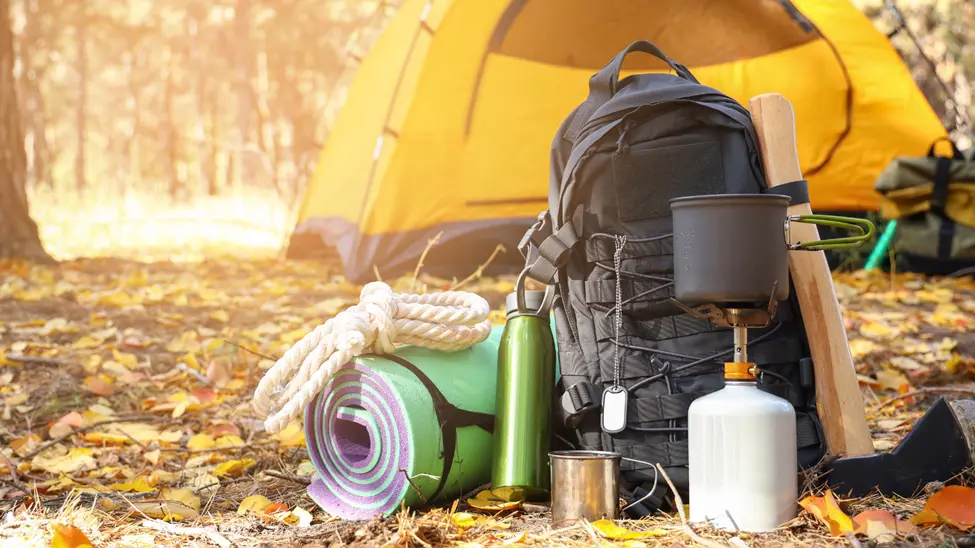

The wrong gear on the wrong trail doesn’t just ruin your trip, it can put you in real danger. That’s not hyperbole. A boot that doesn’t fit right causes blisters that slow you down. A sleeping bag rated for the wrong temperature leaves you shivering at 2 a.m. Getting outdoor adventure equipment right matters, and it matters before you leave the driveway.
Whether you’re planning your first overnight hike or your fiftieth backcountry expedition, buying outdoor gear is a decision that deserves real thought. The numbers back that up: outdoor market retail sales hit $28 billion in 2024, up 1% from the year before. People are investing seriously in this space. This outdoor equipment buying guide will help you invest wisely.
Tips for Choosing Outdoor Gear That Fits Your Adventure
No single piece of gear is right for every activity. These tips for choosing outdoor gear always start with being honest about what you’re actually doing out there.
Activity-Specific Selection
A kayaker and a backcountry hiker have almost nothing in common when it comes to equipment needs. Hikers should focus on structured packs, trail-ready boots, and moisture-wicking base layers. Kayakers need dry bags, personal flotation devices, and quick-dry fabrics. Requirements shift dramatically depending on your activity.
For riders and outdoor enthusiasts in the West Haven, Utah area, karl malone powersports has built a strong reputation as a trusted multi-brand powersports dealership with over 25 years of experience. They carry field-tested vehicles and equipment from Polaris®, Can-Am®, and Yamaha brands that serious adventurers actually rely on.
Sizing, Fit, and Customization
Knowing what gear you need is half the challenge. The other half is getting the fit right. Ill-fitting boots don’t just cause blisters; they affect your gait, which affects your knees, which affects your whole trip. Try before you buy whenever possible. If you’re ordering online, cross-reference sizing guides carefully and read reviews from people with similar builds.
Gender-specific and age-specific designs exist for real reasons. Youth helmets, women’s trail shoes, and adjustable frame packs- these aren’t gimmicks. They’re functional improvements. Modular attachment points and removable padding let you customize gear as your needs evolve without buying new equipment from scratch.
Essential Factors for Selecting Outdoor Adventure Equipment
Great gear doesn’t just happen. It’s the product of smart material choices, real safety standards, and thoughtful design. Let’s break down what actually separates reliable outdoor gear from stuff that falls apart on day two.
Durability and Material Quality
Look for ripstop nylon, aluminum alloy frames, and waterproof membranes, with Gore-Tex being the gold standard. These aren’t empty marketing terms. They’re indicators that a product was built for sustained use under actual outdoor conditions. Pay attention to stitching quality, zipper construction, and whether seams are taped. Those details tell you more than any product description will.
Sustainable materials are also worth your attention. Recycled polyester and bio-based fabrics are appearing in more gear lines. Better for longevity. Better for the planet.
Safety Features That Actually Matter
Durability means nothing if your gear fails when it counts. Check for UIAA certifications on climbing equipment and CE marks for European compliance. Water sports gear should carry Coast Guard-approved flotation ratings full stop.
Think activity-specific here: avalanche beacons for winter routes, reflective strips for low-light hiking, certified helmets for mountain biking. These aren’t optional upgrades. For certain adventures, they’re the difference between coming home safe and not coming home at all.
Functionality and Versatility
Once safety is squared away, performance is everything. Multi-purpose designs, jackets that compress into packs, modular tent systems, and convertible layering pieces give you options when conditions shift unexpectedly. Gear that handles variable weather without requiring a complete swap is worth every extra dollar. If it packs small without losing function, it earns its spot in your kit.
Trends and Innovations Worth Knowing About
The global hiking gear and equipment market was valued at $6.37 billion in 2025 and is projected to reach $10.91 billion by 2033, growing at a 7.0% CAGR. That growth is being shaped by technology and environmental responsibility in equal measure.
Smart Gear Integration
GPS-enabled navigation, solar-powered charging panels, and wearables that track vitals and sync with mobile apps; these tools aren’t science fiction anymore. They’re in use on trails right now. When tech serves a real purpose in the field, it’s worth considering.
Sustainability in Gear Manufacturing
Brands like Patagonia and REI Co-op have made recycled materials and transparent supply chains a central part of their identity. Choosing sustainably manufactured gear doesn’t mean accepting performance trade-offs. Often, the opposite is true: that kind of gear is built to last significantly longer.
Community Reviews and Real-World Feedback
Spec sheets rarely tell the whole story. Before committing to a purchase, dig into outdoor forums, YouTube reviews, and community spaces connected to trusted dealerships like Karl Malone Powersports. Real-world experience from real users reveals what polished product pages tend to hide.
Outdoor Equipment Buying Guide: Value and Longevity
Knowing where to spend and where to save is a skill. Here’s a straightforward breakdown:
| Gear Category | Splurge or Save? | Why |
| Boots/Footwear | Splurge | Foot health directly impacts safety |
| Sleeping Bag | Splurge | Temperature ratings are life-critical |
| Trekking Poles | Save | Mid-range options perform comparably |
| Camp Cookware | Save | Basic options handle most needs |
| Headlamp | Splurge | Reliability matters in the darkness |
| Rain Cover | Save | Generic covers work well for most packs |
Where to Invest and Where You Can Hold Back
Footwear, sleep systems, and safety gear deserve your full budget attention. Camp cookware and gear organizers? There are excellent mid-range options that perform just as well as premium versions. Knowing where to invest and where to exercise restraint is what separates smart gear buyers from impulsive ones.
Warranties and After-Sales Support
Look for at minimum a one-year warranty covering manufacturing defects; two years is better. Understand what’s excluded, particularly around “normal wear and tear” clauses that are sometimes written too broadly. Keep your receipts, register products after purchase, and choose dealers with responsive customer service.
Where to Buy
Specialty stores offer hands-on testing and expert staff. Online retailers offer a range and price comparison. For those seeking both benefits, brand-certified products combined with experienced, personalized local service, Karl Malone Powersports functions as an ideal authorized dealer. Their rental programs are also worth exploring if you’re evaluating high-cost gear before a full commitment.
Getting the Most From Your Gear
Even excellent gear wears out prematurely without proper care.
Maintenance Basics
Rinse everything after each outing. Salt, dirt, and trail grime degrade materials fast when left untreated. Reapply DWR spray to waterproof jackets seasonally. Store sleeping bags uncompressed, keep boots out of direct sunlight, and choose cool, dark, dry storage conditions across the board. These habits add years to your gear’s useful life.
Accessories That Complete the Setup
Quality headlamps, trekking poles, hydration systems, and gear organizer cubes all improve your comfort and capability on the trail. Compact first-aid kits and lightweight multi-tools are increasingly standard in any well-equipped kit. The right accessories don’t just add convenience, they round out a setup that’s genuinely ready for the field.
Common Questions About Buying Outdoor Adventure Equipment
What are the big three outdoor gear items?
In backpacking, it’s shelter, backpack, and sleep system. These carry the most weight and have the most impact on your performance, so optimizing them first makes sense.
What should I check before buying gear for international travel?
Review airline baggage restrictions, local weather forecasts, destination customs rules, and regional rental availability. Fuel canisters and trekking poles often have specific transport regulations worth researching ahead of time.
How do I match gear to my body type and skill level?
Use manufacturer sizing guides, read reviews from people with similar builds, and select gear rated for your experience level. A fitting session at a specialty dealer is the most reliable method for confirming proper fit.
Can I upgrade outdoor gear after purchase?
Yes. Backpacks, boots, and helmets frequently support aftermarket customization insole upgrades, frame adjustments, and modular attachments. You can adapt gear as your needs shift without replacing entire systems.
Are financing or rental programs available for expensive gear?
Many dealers offer financing.Karl Malone Powersports provides financing options that make higher-end equipment more accessible. Rental programs are also a practical way to test gear before a full purchase decision.
Which brands lead in eco-friendly gear?
Patagonia, REI Co-op, and Arc’teryx are established leaders. Numerous mid-range brands are expanding sustainable product lines in response to genuine consumer demand.
What warranty pitfalls should I watch for?
Be cautious of warranties that exclude wear and tear too broadly, require original receipts, or don’t transfer to secondary buyers. Always register your gear and document your purchase.
Final Checklist Before You Buy
Run through these questions before finalizing any gear decision:
– Does the material match your activity and climate conditions?
– Are appropriate safety certifications present?
– Does it fit your body and your current skill level?
– Have you reviewed real user feedback?
– Is the warranty clear and genuinely protective?
– Are you purchasing from an authorized, reputable dealer?
For personalized guidance on powersports gear built for serious outdoor performance, the experienced team at Karl Malone Powersports is worth a conversation.
Your Next Step Toward Smarter Outdoor Adventures
Choosing the right outdoor adventure equipment isn’t complicated, but it does require intention. Start with durability, safety, and fit. Layer in current trends and practical accessories that match your specific style of adventure. Following a solid outdoor equipment buying guide keeps your decisions grounded in real value rather than marketing noise.
The best gear isn’t necessarily the most expensive. It’s the gear that works reliably when you’re miles from the nearest help. Go prepared, go smart, and make every trip genuinely worth the effort.
Also Read-Innovative Technologies in Metalworking Equipment





Leave a Comment