
Proper sign installation is essential to maximize visibility, structural stability, and longevity. Whether you are installing a storefront sign, directional signage, or outdoor billboards, following expert best practices ensures your investment stands the test of time. For businesses throughout Ottawa seeking dependable branding solutions, 3M certified graphic installation in Ottawa for long-lasting durability offers a professional approach that helps ensure exceptional results from the very beginning, combining expert application techniques with lasting performance, visual precision, and reliable protection for a wide range of commercial graphics and signage projects.
Every step in the sign installation process, including ongoing maintenance, contributes to the sign’s effectiveness and durability. With the right strategy, you can minimize costly errors, enhance public safety, and stay compliant with regulations, ultimately ensuring your signage conveys its message clearly and effectively.
Conducting Thorough Site Surveys
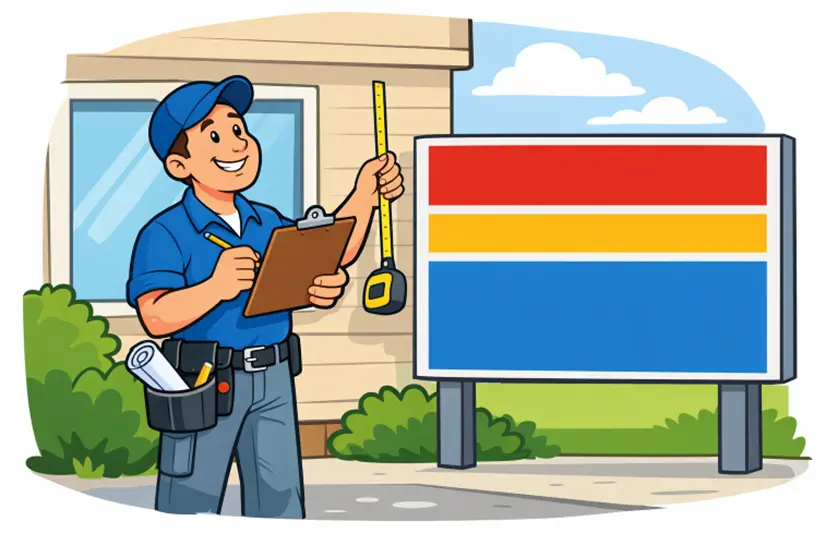
Before any physical installation begins, a detailed site survey is indispensable. During this stage, measure all relevant dimensions, assess structural integrity, and note any obstacles, such as overhead wires or existing fixtures, that may impact installation. Site surveys are also an opportunity to identify mounting surfaces, examine exposure to weather, and select the most strategic position for visibility. Planning in advance helps mitigate risks such as misalignment or insufficient support.
Additionally, engaging stakeholders such as property owners, building managers, and any adjacent businesses can ensure there are no surprises on installation day. Consider environmental factors unique to your region; extreme cold, heat, or humidity can all impact installation choices and timing. Thorough documentation throughout the survey process enables seamless communication with your installer, reducing scope changes and project delays.
Understanding Local Regulations and Permits
Each municipality enforces its own zoning laws and sign codes that regulate signage size, illumination, and placement. Obtaining the relevant permits before installation ensures you are in full compliance with local ordinances, thus avoiding legal repercussions and costly removals. Often, authorities also review sign designs to ensure compliance with safety and aesthetic standards. Staying up to date on municipal regulations can be streamlined by referencing resources such as the International Code Council.
Remember that regulations can also govern temporary signs, banners, and even window graphics. It’s wise to consult with local building officials at the outset of your project to clarify requirements and processing timelines, especially for illuminated or digital signage, which may require additional electrical inspections. Investing time in the permitting process up front prevents setbacks and helps ensure that your project aligns with municipal development goals and safety standards.
Choosing the Right Materials and Mounting Methods
Your choice of materials can dramatically impact the durability and appearance of your sign. Outdoor signs, for instance, require weather-resistant materials such as aluminum or treated wood that can withstand UV rays, rain, and temperature swings. Indoor signage might allow the use of lighter, less durable materials. Equally important is the mounting hardware: match fasteners, anchors, and brackets to both the signage material and the mounting surface. Proper compatibility reduces the risk of installation failure caused by rust, wind, or vibrations.
When specifying materials, also consider the environmental sustainability and maintenance requirements of different options. For instance, powder-coated metals offer greater longevity and are resistant to chipping and corrosion. Acrylic, PVC, and high-density urethane can achieve custom shapes and colors while minimizing weight. Choosing vandal-resistant finishes or anti-graffiti coatings can further safeguard your investment. Ultimately, collaborating with experienced sign fabricators can ensure the best balance between aesthetics, practicality, and cost-effectiveness.
Avoiding Common Installation Mistakes
Neglecting installation basics can compromise both safety and the effectiveness of signage. One frequent misstep is improper alignment; crooked signs detract from your message and look unprofessional. Another common error is using inadequate support, especially when mounting heavy or large signs. Skipping weatherproofing steps can lead to water damage, while failing to comply with the electrical code when installing illuminated signs may pose safety hazards. Routine checks and quality standards during installation help prevent these and other costly mistakes.
Another pitfall is neglecting to test mountings or illumination systems before the final installation is completed. Doing a trial fit or temporary setup allows for adjustments and ensures any faults are detected early. Investing in robust installation training for your team or working with qualified professionals reduces the likelihood of costly rework and prolongs the lifespan of the sign. Always create and follow an installation checklist and take photographs for documentation before, during, and after installation.
Implementing Regular Maintenance Practices
Regular sign maintenance greatly extends the service life and appeal of your signage. A good maintenance program includes cleaning surfaces to remove accumulated dirt and debris, inspecting hardware for corrosion or looseness, and promptly addressing any visible damage. For illuminated signs, checking bulbs, wiring, and electrical connections is essential to ensure consistent functionality. Setting up recurring inspections helps you address minor issues proactively and avoid larger repairs.
It’s important to tailor your maintenance schedule to the type of signage and its environmental exposure. High-traffic areas or outdoor locations with heavy moisture or dust may require more frequent upkeep. Document all maintenance activities and repairs to track the performance and longevity of your signage over time. If you notice recurring issues, such as water ingress or color fading, consider discussing upgrade or retrofit options with your installer.
Maintaining your signage is not just about preventing degradation; it can also reinforce your brand integrity by consistently presenting a clean, well-kept appearance. Routine upkeep ensures your messaging remains visible and attractive to your target audience, helping your sign continue to support your business goals for years to come. For additional insights on optimizing signage effectiveness, explore best practices from industry leaders, such as the International Sign Association.
By focusing on these best practices at every stage, you can ensure your signs remain structurally sound, compliant, and capable of making a lasting impression. Furthermore, never underestimate the value of professional expertise. Partnering with signage installation experts can give you peace of mind, save time, and deliver results that truly maximize your investment. As signage technology and materials evolve, staying informed about the latest advancements can help your business remain competitive and visually appealing in the marketplace.
Also Read
- How Storytelling Helps Businesses Build Trust
- Enhancing Community Development Through Data-Driven Decision-Making
- Pendeja Meaning in English: Definition, Usage, Cultural Context, and Real-Life Examples







Leave a Comment