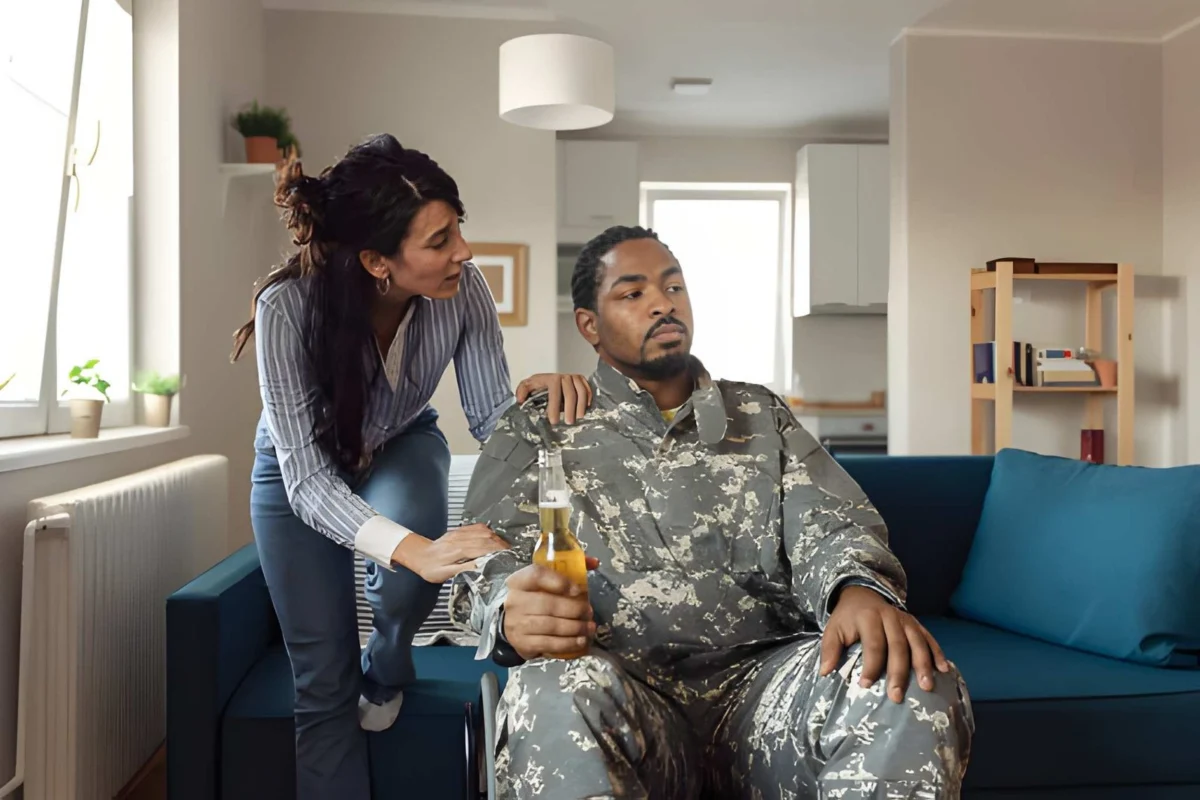

Roughly one in ten veterans returning from combat zones meets the criteria for a substance use disorder, according to the U.S. Department of Veterans Affairs. That number is striking on its own, but it does not capture the full picture. Many veterans never seek help at all, held back by stigma, a distrust of civilian healthcare systems, or simply not knowing where to turn. Understanding what treatment actually looks like for veterans, and why it differs from standard civilian care, is a starting point for anyone trying to support a veteran or figure out their own next step.
Why Substance Use Affects Veterans at Higher Rates
Military service creates conditions that significantly raise the risk of addiction. Chronic pain from service-related injuries often leads to long-term opioid prescriptions. Traumatic brain injuries (TBI), which affect an estimated 414,000 veterans according to the Defense and Veterans Brain Injury Center, can alter impulse control and emotional regulation in ways that make substance use more likely. Post-traumatic stress disorder (PTSD) is another major driver. Research published by the National Center for PTSD suggests that up to 75 percent of veterans who have survived traumatic events report drinking problems.
Beyond the clinical picture, there is a cultural dimension. Military culture prizes toughness and self-sufficiency. Admitting that alcohol or drug use has become a problem can feel like a personal failure rather than a medical reality. That internal conflict delays treatment, sometimes for years. The average gap between when a substance use disorder begins and when a person first seeks professional help is about 11 years, according to research published in JAMA Psychiatry. For veterans, cultural barriers can stretch that gap even further.
Common Substances and Patterns Among Veterans
While alcohol remains the most widely misused substance among veterans, opioids and prescription stimulants have become increasingly common concerns. Understanding the patterns matters because it shapes what kind of treatment is most appropriate.
| Substance | Common Trigger | Key Risk Factor |
| Alcohol | Stress, social isolation, PTSD symptoms | High social acceptability in military culture |
| Opioids | Chronic pain from combat or training injuries | Long-term prescriptions following injury |
| Cannabis | Sleep disorders, anxiety, pain management | Increasing civilian availability and normalization |
| Stimulants | Fatigue, cognitive demands post-service | History of prescribed use during service |
| Benzodiazepines | Anxiety, PTSD-related insomnia | Co-prescribed with other medications |
Polysubstance use, meaning the simultaneous misuse of more than one substance, is also more common among veterans than in the general population. This complicates both diagnosis and treatment planning, which is one reason veteran-specific programs tend to produce better outcomes than general population programs. A treatment team that understands military culture, combat trauma, and the physical realities of service-related injury can address all of those threads together rather than treating each in isolation.
What Veteran-Specific Treatment Actually Looks Like
Veteran-specific addiction treatment is not just a marketing label. It refers to programs that integrate several specialized components that general rehab programs may not offer.
- Trauma-informed care that specifically addresses combat PTSD, military sexual trauma (MST), and moral injury
- Co-occurring disorder treatment for conditions like TBI, depression, and anxiety that frequently accompany substance use
- Peer support from other veterans, which research consistently shows improves engagement and reduces dropout
- Case management that helps veterans access VA benefits, housing assistance, and employment resources
- Family programming designed around the unique stressors of military family life, including deployment cycles and reintegration
- Evidence-based therapies such as Cognitive Processing Therapy (CPT) and Prolonged Exposure (PE), both validated for veteran populations
Not every program offers all of these elements. When evaluating options, it is worth asking whether therapists have specific training in military culture and trauma, whether peer support specialists who are themselves veterans are part of the clinical team, and whether the program has established pathways to VA resources. These questions can separate programs that genuinely serve veterans from those that simply use veteran-friendly language in their marketing.
VA Resources Versus Private Treatment: Understanding the Options
The VA healthcare system is the largest single provider of substance use treatment for veterans in the United States. The VA offers medically supervised detox, residential treatment, outpatient counseling, medication-assisted treatment (MAT), and telehealth options. For veterans with service-connected disabilities, many of these services are available at no cost. The VA also runs MISSION Act community care programs, which can authorize treatment at private facilities when VA services are not locally available or timely.
Private treatment centers that specialize in veteran care can complement VA services, and in some cases offer faster access or more individualized programming. When a veteran is researching addiction help for veterans, it is worth comparing the level of care offered, the average time to admission, and whether the program can coordinate with existing VA providers rather than working in isolation from them.
Nonprofit organizations also play a meaningful role. The Volunteers of America, Swords to Plowshares, and the Headstrong Project are examples of groups that provide either direct treatment or wraparound support services. The Veterans Crisis Line (dial 988, then press 1) is available around the clock and can help connect veterans with local resources even when a full assessment has not yet taken place.
The Role of Family Members in Recovery
Family members of veterans carry a significant share of the burden when addiction is present in the household. Spouses often manage the financial and emotional fallout of a partner’s substance use while also dealing with their own secondary trauma from deployment cycles and reintegration challenges. Children in these households face elevated risks of behavioral problems, anxiety, and their own future substance use.
Family-centered treatment models recognize this reality. Rather than treating the veteran in isolation, these programs bring family members into the process through education sessions, family therapy, and support groups. The National Alliance on Mental Illness (NAMI) offers Family-to-Family programs that are free and specifically adapted for military and veteran families. Al-Anon and Nar-Anon groups, while not veteran-specific, provide accessible peer support for family members who feel isolated by a loved one’s addiction.
Encouraging a veteran to seek treatment often goes better when family members have already done some of their own groundwork. Learning about addiction as a health condition, understanding how trauma drives compulsive behavior, and working with a counselor on communication strategies can reduce confrontation and increase the chance that a conversation about getting help lands constructively rather than defensively.
Barriers to Treatment and How to Work Around Them
Access and stigma are the two most commonly cited barriers, but they are not the only ones. Geographic isolation is a real problem for veterans in rural areas where specialized programs may be hours away. Telehealth has expanded meaningfully since 2020, and the VA now offers virtual substance use counseling and MAT management, which has opened up options for veterans who previously had none.
- Start with a VA primary care appointment if enrolled, since primary care providers can initiate referrals to addiction treatment faster than navigating the system independently
- Contact the Veterans Crisis Line at 988 (press 1) for immediate guidance even if there is no active crisis; counselors can connect callers to local and virtual resources
- Ask about the MISSION Act if VA wait times are long; this program can authorize private community care at VA expense
- Look into peer support specialists through local VA facilities; these are veterans trained to help other veterans access care
- Check eligibility for state-funded programs, since many states have veteran-specific funding streams for addiction treatment that do not require VA enrollment
Financial concerns stop many veterans from even starting the research process. It is worth knowing that veterans with service-connected conditions may have full coverage through the VA, and that private facilities often work with VA community care authorizations or accept TRICARE for those still covered. Sliding-scale fees and grant-funded beds exist at many nonprofit programs as well. Cost is rarely the absolute barrier it can appear to be before someone starts making phone calls.
A Note on Long-Term Recovery
Recovery from addiction is not a single event. For veterans, the ongoing management of PTSD, chronic pain, and the social challenges of civilian life means that long-term support structures matter as much as the initial treatment episode. Peer support groups like AA, NA, and veteran-specific groups such as Warrior’s Heart or veterans-only AA meetings provide continuing community. Regular check-ins with a VA mental health provider, ongoing medication management where appropriate, and meaningful engagement in work or community life all contribute to sustained recovery.
The research on what makes recovery last points consistently toward connection. Isolation is one of the strongest predictors of relapse, and veterans are at heightened risk of social isolation after leaving the tight-knit community of military service. Building a civilian support network, whether through treatment alumni groups, faith communities, recreational programs, or vocational training, is not a soft add-on to recovery. It is central to it. Veterans who stay connected fare better by almost every measure, and that is something worth keeping in mind from the very first day of treatment planning.
Read more: Understanding Depression: Causes, Types, and Treatment
How Alcohol Withdrawal Works: A Clear Guide
Postpartum Depression: Signs, Stages & Recovery

Leave a Comment