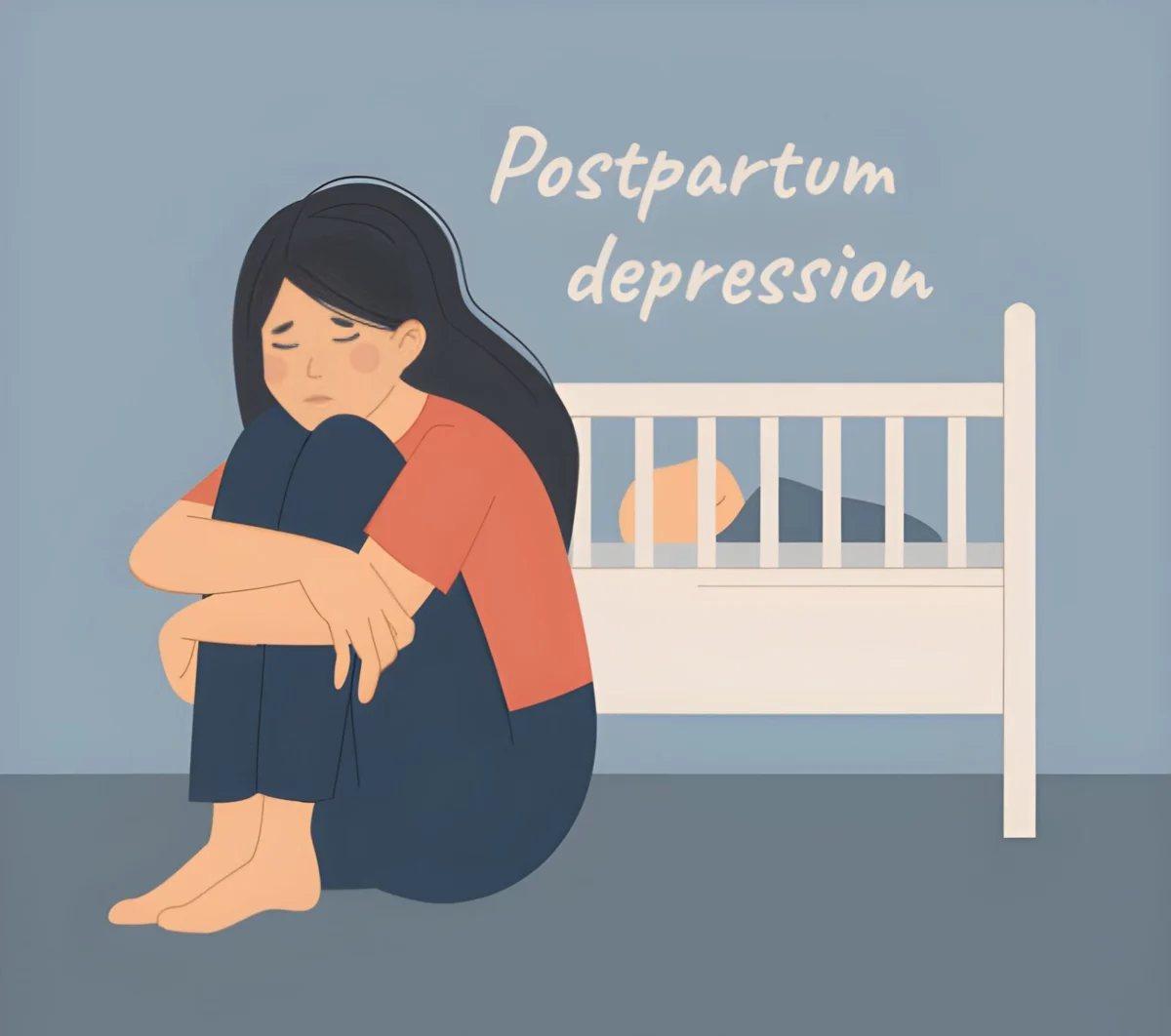

A new baby arrives and everyone expects joy. That expectation, as universal as it is, can make the weeks after birth feel isolating for mothers who are struggling rather than celebrating. Postpartum depression is more common than most people realize, more varied in its presentation than the textbooks suggest, and more treatable than many mothers fear when they are living through it. This article covers the real signs to watch for, how postpartum depression compares to the normal emotional turbulence of new parenthood, what science says about recovery, and how partners and support systems can actually help.
Why Postpartum Depression Gets Missed So Often
One of the main reasons postpartum depression goes unrecognized is that its symptoms overlap with the ordinary exhaustion of caring for a newborn. Sleep deprivation, mood swings, and feeling overwhelmed are expected after birth. That normalization creates a long delay between when symptoms start and when a mother actually gets help. According to the American Psychological Association, approximately 1 in 7 women experience postpartum depression, yet many cases go undiagnosed for months.
There is also a cultural layer. Many mothers feel a quiet shame around not feeling the immediate, uncomplicated love that birth stories promise. That shame keeps people silent. A mother may tell herself she is just tired, just adjusting, just grateful enough that she should push through. By the time the picture becomes clearer, weeks or even months have passed.
Screening tools like the Edinburgh Postnatal Depression Scale exist precisely because self-identification is so unreliable. A 10-question validated survey administered at a routine postpartum visit can catch what a brief clinical conversation might miss. The problem is that not every provider uses it consistently, and not every mother makes it to those early follow-up appointments.
Baby Blues Versus Postpartum Depression: A Real Distinction
Baby blues and postpartum depression are genuinely different conditions, not just points on a severity scale. Understanding the distinction matters because one resolves on its own and the other requires active support.
| Feature | Baby Blues | Postpartum Depression |
| Onset | Days 2 to 5 after birth | Any time in the first year, often weeks 2 to 8 |
| Duration | Resolves within 2 weeks | Persists beyond 2 weeks without treatment |
| Intensity | Mild mood swings, tearfulness | Persistent sadness, anxiety, or emotional numbness |
| Functional impact | Minimal, still able to care for baby | Can interfere with daily tasks and bonding |
| Prevalence | Up to 80% of new mothers | Approximately 15% of new mothers |
| Treatment needed | Rest, support, time | Professional assessment and often therapy or medication |
Baby blues are tied to the sharp hormonal drop, particularly estrogen and progesterone, that happens in the first days after delivery. They are self-limiting. Postpartum depression is a clinical condition with neurological, hormonal, psychological, and social contributors. It does not simply fade with rest.
Recognizing the Full Spectrum of Symptoms
Postpartum depression does not always look like crying. In fact, some mothers experience it primarily as irritability, rage, or a sense of emotional detachment rather than sadness. A mother might describe feeling like she is watching her own life from a distance, present physically but not emotionally connected to her baby or her partner.
Anxiety is also a core feature for many women, not a side symptom. Intrusive thoughts, excessive worry about the baby’s safety, difficulty sleeping even when the baby is asleep, and a persistent sense of dread can all be expressions of postpartum depression rather than a separate anxiety disorder. This anxiety presentation is frequently misread as being an overly anxious new parent rather than a clinical symptom.
- Persistent low mood or feelings of hopelessness lasting more than two weeks
- Difficulty bonding with or feeling warmth toward the baby
- Withdrawing from friends, family, or usual activities
- Changes in appetite, either eating much more or barely eating at all
- Extreme fatigue beyond what newborn sleep deprivation explains
- Intrusive thoughts about harm coming to the baby or to oneself
- Feelings of worthlessness or excessive guilt
- Difficulty concentrating or making decisions
- Physical complaints without a clear medical cause, such as headaches or stomach pain
Intrusive thoughts deserve particular attention because they cause intense distress and are widely misunderstood. Many mothers who experience unwanted mental images of harm to their baby are horrified by those thoughts and take great pains to avoid acting on them. That distress and avoidance is actually a sign of postpartum OCD, which often co-occurs with postpartum depression, rather than a sign of intent. Distinguishing between these presentations shapes which treatment approaches work best.
What Evidence-Based Treatment Actually Involves
Recovery from postpartum depression is well-documented and genuinely achievable. The research base here is strong. A combination of psychotherapy and, when appropriate, medication consistently produces the best outcomes for moderate to severe cases. Understanding the options helps mothers and their families advocate for appropriate care rather than accepting a generic referral.
Psychotherapy Approaches
Cognitive behavioral therapy, often called CBT, has the strongest research support for postpartum depression. It helps mothers identify and shift distorted thought patterns that reinforce low mood and anxiety. Interpersonal therapy is another well-supported approach that focuses on relationship dynamics, role transitions, and the social context around becoming a parent. Both can be delivered in individual or group formats, and group therapy has the added benefit of reducing the isolation that many affected mothers feel.
Medication Considerations
For mothers experiencing moderate to severe depression, antidepressants are often part of the treatment plan. Selective serotonin reuptake inhibitors, commonly known as SSRIs, are typically the first-line pharmacological option. Sertraline and paroxetine, for example, have been studied in breastfeeding populations and are considered compatible with breastfeeding for most women, though any medication decision should involve a prescribing physician who can weigh individual circumstances. The fear of medication while breastfeeding keeps some mothers from accessing relief that could meaningfully change their experience of early parenthood.
When it comes to treating postpartum depression, one of the clearest findings in the literature is that early intervention leads to better outcomes. The longer the condition goes unaddressed, the more entrenched the symptom patterns become, and the more the mother-infant bond and family functioning can be affected.
How Partners and Family Members Can Help
The role of social support in postpartum recovery is not just a platitude. Research from Postpartum Support International and academic studies alike consistently show that the quality of a mother’s support system predicts how quickly she recovers. Partners, family members, and friends who understand what postpartum depression actually looks like are far better positioned to help than those operating on assumptions.
- Take over specific tasks rather than asking what is needed. Decision fatigue is real, and a mother in crisis often cannot articulate what she needs.
- Avoid minimizing language. Phrases like ‘you have so much to be grateful for’ can deepen shame rather than provide comfort.
- Encourage professional help without framing it as a last resort or a sign of failure.
- Accompany the mother to appointments if she is comfortable with that, because having a second set of ears helps with recall and follow-through.
- Check in regularly and consistently, not just in the immediate postpartum weeks. Postpartum depression can emerge months after birth.
- Recognize that partners can also experience postpartum depression. Research suggests that roughly 10% of new fathers or co-parents experience significant depressive symptoms in the postnatal period.
Knowing when to gently push for professional evaluation matters. If a mother has expressed thoughts of harming herself or her baby, or if she is unable to perform basic self-care, that warrants immediate contact with a healthcare provider rather than a wait-and-see approach.
The Recovery Timeline: What to Realistically Expect
Recovery is not linear. Most mothers who receive consistent treatment see meaningful improvement within 8 to 12 weeks, but that does not mean steady upward progress every single day. There will be harder days within an overall improving trend. Understanding that is protective, because a bad day after several good ones can feel like the whole effort has collapsed if expectations are not calibrated.
Some mothers recover fully without recurrence. Others find that postpartum depression reveals a vulnerability to depressive episodes more broadly, and those mothers benefit from a longer-term relationship with a mental health provider and a clear plan for any future pregnancies. The American College of Obstetricians and Gynecologists recommends that any woman with a history of postpartum depression be monitored closely in subsequent pregnancies as a matter of standard care.
The most important thing to hold onto is that postpartum depression, even when severe, responds to treatment. It is not a character flaw, a reflection of how much a mother loves her child, or a permanent condition. With the right support and professional care, the vast majority of mothers do recover and go on to experience the connected, present relationship with their child that they were hoping for from the start.
Read more: What to Expect During Alcohol Rehab Treatment
How Childhood Trauma Shapes Adult Mental Health
Why LGBTQ+ People Face Unique Addiction Challenges

Leave a Comment