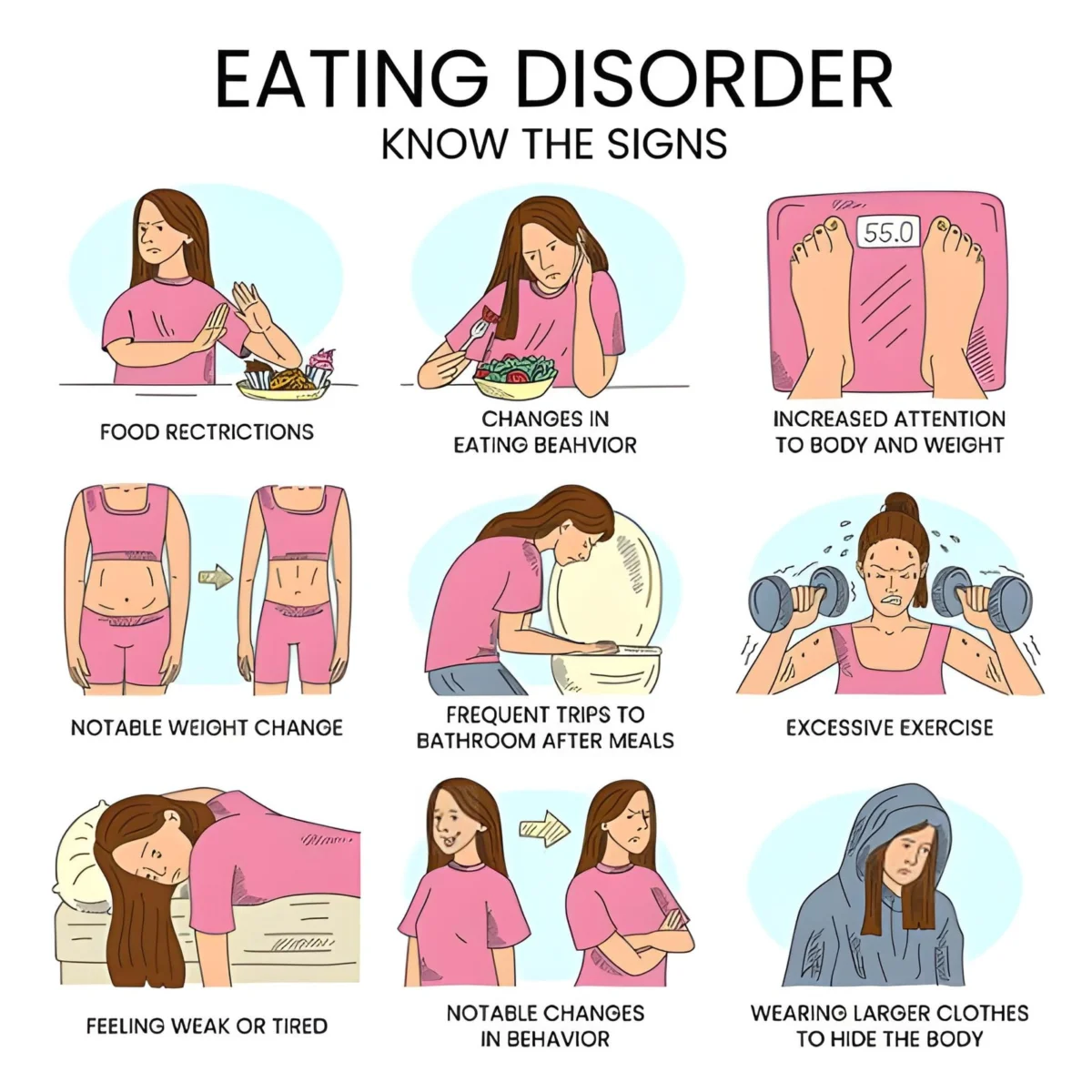

Most people who have never been close to an eating disorder assume recovery is straightforward. Stop the harmful behaviors, eat regularly, feel better. The reality is considerably more layered than that, and understanding what the process actually involves can make a real difference, whether you are the person struggling or someone who loves them.
This article walks through how eating disorder treatment is structured, what the main therapy approaches involve, what makes recovery genuinely difficult, and what markers suggest someone is moving in a healthy direction. The goal is to give you an honest, grounded picture of what this kind of care looks like from the inside out.
Why Eating Disorders Are Classified as Mental Health Conditions
Eating disorders are frequently misunderstood as lifestyle choices or phases that people simply grow out of. Medical and psychiatric communities classify them as serious mental health conditions because they involve persistent disturbances in eating behavior that are driven by distorted thoughts and emotions, not by hunger or preference alone.
According to the National Eating Disorders Association, eating disorders affect at least 9 percent of the global population at some point in their lives. Anorexia nervosa specifically has one of the highest mortality rates of any psychiatric disorder, which reflects just how physically dangerous these conditions can become when left untreated.
The most commonly diagnosed eating disorders include anorexia nervosa, bulimia nervosa, binge eating disorder, and avoidant/restrictive food intake disorder, often called ARFID. Each has distinct diagnostic criteria, but they share a common thread: the person’s relationship with food, body image, and self-worth has become deeply distorted in ways that cause real harm.
Levels of Care: Matching Treatment Intensity to Need
One of the first things clinicians assess when someone seeks help is which level of care is appropriate. Treatment is not one-size-fits-all. The American Psychiatric Association and other bodies have established a general framework for levels of care, ranging from the least intensive to the most structured.
| Level of Care | Setting | Typical Hours Per Week | Best Suited For |
| Outpatient Therapy | Private practice or clinic | 1 to 3 | Mild symptoms, strong support system |
| Intensive Outpatient Program (IOP) | Clinic or treatment center | 9 to 12 | Moderate symptoms, able to live at home |
| Partial Hospitalization Program (PHP) | Clinic or hospital | 20 to 30 | Significant symptoms, medically stable |
| Residential Treatment | Live-in facility | 24/7 | Severe symptoms, unsafe at home |
| Inpatient Hospitalization | Hospital | 24/7 | Medical instability, acute risk |
Movement between these levels is common and expected. Someone might start in residential care, step down to a partial hospitalization program as they stabilize, and eventually transition to weekly outpatient therapy. This progression is a sign that treatment is working, not that something is being downgraded.
Core Therapeutic Approaches Used in Treatment
Several evidence-based therapies have a strong track record in eating disorder treatment. No single approach works for everyone, and most reputable programs combine more than one modality based on the individual’s diagnosis, age, and specific challenges.
Cognitive Behavioral Therapy for Eating Disorders
Cognitive behavioral therapy, commonly called CBT, is one of the most widely researched treatments for bulimia nervosa and binge eating disorder. It targets the cycle of distorted thinking that drives harmful eating behaviors. A person learns to identify triggering thoughts, challenge them, and replace them with more accurate and compassionate interpretations. The behavioral component involves gradually shifting habits, which takes repetition and time rather than a single breakthrough moment.
Family-Based Treatment
Family-based treatment, also called the Maudsley Approach, is particularly effective for adolescents with anorexia nervosa. Rather than treating the young person in isolation, it actively involves parents in the recovery process. In the early phases, parents take a leading role in managing their child’s food intake, which can feel counterintuitive but has strong clinical support. Over time, control is gradually returned to the adolescent as their ability to make healthy choices improves.
Dialectical Behavior Therapy
Dialectical behavior therapy, or DBT, was originally developed for borderline personality disorder but has proven highly useful for eating disorders, especially when intense emotional dysregulation is part of the picture. DBT teaches skills in four areas: mindfulness, distress tolerance, emotion regulation, and interpersonal effectiveness. For someone who uses restriction or purging as a way to cope with overwhelming feelings, these skills provide practical alternatives.
What Makes Recovery Genuinely Difficult
People sometimes wonder why recovery takes so long, or why someone might seem to be doing well and then struggle again. There are several real reasons for this, and understanding them removes some of the frustration and judgment that can surround the process.
- The brain adapts to restriction. Prolonged caloric restriction changes how the brain processes hunger and reward signals, which means refeeding is both physically and neurologically disorienting.
- Identity is often wrapped up in the disorder. For many people, their eating behaviors have been present for years. Recovery requires building an entirely new sense of self, which takes considerable time.
- Social environments can be triggering. Diet culture is pervasive. Comments about food and bodies, even well-meaning ones, can destabilize someone who is in early recovery.
- Co-occurring conditions are common. Anxiety disorders, depression, obsessive-compulsive disorder, and trauma are frequently present alongside eating disorders, and all need to be addressed for recovery to hold.
- Relapse is part of the process for many. A return to disordered behaviors does not mean treatment has failed. It is often a signal that additional support or a shift in approach is needed.
One detail that surprises many families is that medical stabilization and psychological recovery are separate tracks that do not always move at the same speed. A person can reach a healthy weight while still holding deeply distorted beliefs about food and their body. Sustainable recovery means addressing both, which is why the psychological component of treatment is not optional.
The Role of a Specialized Treatment Team
Eating disorder recovery typically involves a team of providers rather than a single clinician. Each member plays a distinct role, and communication between them is critical. A therapist handles the psychological work. A registered dietitian supports nutritional rehabilitation without reinforcing food fear. A psychiatrist or physician monitors physical health and manages any medications. A case manager often coordinates care across these providers.
When someone is deciding where to seek help, one important consideration is whether the facility or program genuinely specializes in eating disorders, since general mental health settings often lack the specific training and structure these conditions require. A person searching for an eating disorder recovery center should look for a program that includes medical monitoring, registered dietitian support, and therapists who hold specific credentials in eating disorder treatment, such as those certified through the International Association of Eating Disorders Professionals.
Peer support also plays a meaningful role in many programs. Hearing from others who have been through similar experiences can reduce shame and provide genuine hope. That said, group therapy in eating disorder settings is carefully structured to avoid unintentional competition or comparison around symptoms, which is a real risk if groups are not run by trained facilitators.
Signs That Recovery Is Actually Progressing
Progress in eating disorder recovery is often quiet and incremental. It does not usually look like a dramatic turning point. Knowing what genuine progress looks like can help both the person in recovery and the people around them recognize when things are moving in a healthy direction.
- Eating a wider variety of foods without the same level of anxiety or guilt that was previously present.
- Being able to eat in social settings, such as restaurants or family meals, with less distress.
- Noticing when the body is physically hungry or full and being able to respond to those signals.
- Spending less mental time and energy thinking about food, calories, or body size.
- Developing the ability to cope with difficult emotions without turning to eating disorder behaviors.
- Returning to activities and relationships that the disorder had crowded out.
- Being able to tolerate body image discomfort without acting on it compulsively.
These changes tend to accumulate slowly. A person might experience one on a good week and feel none of them on a hard one. The overall trend across months, rather than any single day, is what clinicians watch for.
Supporting Someone Through the Recovery Process
If someone close to you is in recovery, one of the most useful things to understand is that your role is to offer support, not to manage or monitor. Commenting on what the person eats, how they look, or whether you think they have gained or lost weight is almost always counterproductive, even when the intention is encouragement.
What tends to help is consistency, patience, and a willingness to follow the lead of the treatment team. Attend family therapy sessions if invited. Ask the person what kind of support they actually want rather than assuming. Create an environment where food is not a constant topic of conversation. And take care of your own mental health in the process, because supporting someone with an eating disorder is emotionally demanding, and your wellbeing matters too.
Recovery from an eating disorder is one of the more complex processes in mental health care. It requires time, specialized support, and a treatment approach that addresses both the physical and psychological dimensions of the condition. Understanding what that process involves, from levels of care to therapy modalities to realistic markers of progress, puts anyone who cares about this issue in a better position to be genuinely helpful, whether that means seeking care, supporting someone who has, or simply approaching the topic with more accuracy and less judgment.
Read more: How Veterans Can Find the Right Addiction Recovery Support
Understanding Depression: Causes, Types, and Treatment
How Alcohol Withdrawal Works: A Clear Guide

Leave a Comment