
Key Takeaways
- A thorough home inspection helps Southwest Florida buyers identify visible property defects, maintenance needs, and potential repair costs before closing.
- Pay close attention to roof condition, moisture intrusion, drainage, electrical systems, plumbing, HVAC equipment, and storm-related repairs.
- Full home inspections, four-point inspections, and wind mitigation inspections serve different purposes and may provide complementary information.
- Review permits, warranties, contractor invoices, insurance records, and documentation for additions, renovations, and storm repairs.
- Prioritize safety hazards and active damage, then evaluate insurance concerns, aging systems, and routine maintenance.
- Inspection reports are not pass-or-fail guarantees. Significant findings may require further evaluation by qualified specialists and written repair estimates.
- Buyers should confirm inspection deadlines, attend the inspection when possible, and consult their insurance agent early about required reports and storm-protection documentation.
- New construction homes can also benefit from inspections, while suspected mold may require a separate professional assessment.
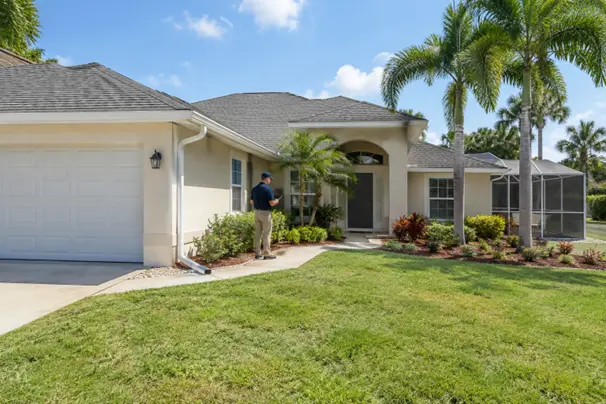
Buying a home in North Port or elsewhere in Southwest Florida means looking beyond attractive finishes and a well-maintained yard. Heat, heavy rain, humidity, coastal winds, and past storm seasons can affect a property’s roof, drainage, cooling equipment, windows, and insurance considerations. A thorough home inspection helps buyers better understand the property’s visible conditions before making a final decision.
For buyers seeking local expertise, Groff Inspections provides access to inspection services from Groff Inspections LLC, a North Port-based company serving homebuyers, sellers, and homeowners throughout Southwest Florida. Groff Inspections LLC offers home, four-point, wind mitigation, and new construction inspections performed by certified inspectors following Florida Standards of Practice. These services can help buyers evaluate property conditions, insurance-related systems, and storm-readiness features when comparing homes in the region.
Why One Inspection Report Can Shape a Home Purchase
An inspection report is not a guarantee that a home will never need repairs. It is a snapshot of visible and readily accessible conditions on the inspection date. Still, it can help a buyer separate a manageable maintenance list from issues that need immediate action, a contractor’s estimate, further evaluation, or a conversation with the seller.
Florida homes deserve careful attention because a small roof defect, drainage problem, or condensate leak can allow moisture to become a larger concern. The most useful approach is practical: identify safety concerns, active damage, costly aging systems, and documentation gaps before the inspection period expires.
What a Standard Home Inspection Can Reveal
A full home inspection generally reviews many visible components and systems, including:
- Roof coverings, flashing, drainage components, vents, and signs of water entry.
- Visible structural components such as floors, walls, ceilings, framing, and foundations.
- Electrical panels, visible wiring, outlets, switches, and safety-related defects.
- Plumbing fixtures, supply piping, drains, water heaters, and signs of leakage.
- Heating and cooling equipment, ducts, filters, and condensate drainage.
- Windows, exterior doors, stairs, railings, garages, appliances, and exterior surfaces.
- Attics, crawl spaces, and similar areas when they can be safely accessed.
Inspection standards are based on observed conditions, not invasive investigation, engineering analysis, code certification, or a prediction of future performance. If an inspector recommends a roofer, electrician, plumber, engineer, or mold professional, treat that recommendation as an important next step rather than a minor footnote.
Florida Findings That Deserve Extra Attention
Roof, Moisture, and Drainage
Look closely at roof wear, damaged or loose materials, flashing, soffits, ceiling stains, and signs of prior repairs. Around the exterior, note standing water, poor grading, overflowing gutters, deteriorated caulk, musty odors, or staining near windows and doors. These conditions do not always reveal the full extent of a problem, but they can justify further review.
Electrical, Plumbing, and HVAC
Older electrical panels, exposed wiring, missing covers, loose outlets, corrosion, active plumbing leaks, damaged shutoff valves, and aging supply lines all warrant attention. In Southwest Florida, cooling equipment and condensate drainage are equally important. Ask about system age, service records, visible rust, cooling operation, and any evidence that water has escaped from the air-conditioning system.
Storm Protection and Unpermitted Changes
Inspect visible features, including exterior doors, garage doors, window protection, roof connections, and roof geometry. Ask the seller about enclosed lanais, additions, replacement windows, remodeled bathrooms, electrical work, and post-storm repairs. Permits, invoices, warranties, and product documentation can clarify what was done and when.
Full Inspections, Four-Point Inspections, and Wind Mitigation
These inspections can complement one another, but they do not answer the same questions.
- Full home inspection: Gives a broad view of visible, accessible components and is often most useful during a purchase decision. It does not replace specialist evaluation where needed.
- Four-point inspection: Focuses on the roof, electrical system, plumbing system, and HVAC system. An insurer may request it, particularly for an older home or policy review. It does not provide the wider property overview of a full inspection.
- Wind mitigation inspection: Documents qualifying wind-resistance features, such as roof-to-wall connections, roof-deck attachment, roof shape, opening protection, and secondary water resistance when present and verifiable. It does not confirm that every feature is in good repair.
Before ordering an insurance-focused inspection, ask the insurance agent which report, form version, supporting documents, and inspection date are needed. Florida’s wind mitigation inspection requirements explain who may complete the verification form and how insurers may use mitigation information.
How to Read the Report Without Getting Overwhelmed
- Start with the summary, then read the detailed notes and photos for each major concern.
- Separate defects from routine maintenance. A missing electrical cover is not the same issue as a dirty air filter.
- Review limitations carefully. If an attic, roof area, crawl space, or system could not be accessed or tested, decide whether more investigation is needed.
- Rank findings by safety, active water intrusion, insurance impact, likely repair cost, and urgency.
- Get written estimates from qualified contractors for major findings instead of relying on broad assumptions.
Which Findings Should Come First?
- Immediate safety: Dangerous electrical conditions, gas concerns, unstable railings, unsafe stairs, or other hazards.
- Active damage: Roof leaks, plumbing leaks, significant drainage concerns, standing water, or ongoing moisture intrusion.
- Insurance and financing concerns: Roof condition, aged major systems, missing permits, or incomplete storm-feature documentation.
- Future repair planning: Aging HVAC equipment, worn exterior materials, deteriorated windows, and deferred maintenance.
- Routine maintenance: Minor caulking, screens, filters, paint touch-ups, and similar upkeep items.
What to Do During the Inspection Period
Read the contract and confirm the inspection deadline first. Attend the inspection if possible, ask which items need specialist review, and request relevant seller records. Contact an insurance agent early rather than waiting until the final days before closing. For homes with a history of storms, ask about prior claims, roof repairs, flood exposure, and replacement materials. General background on how property inspections differ also reinforces the value of understanding home-hardening options and the difference between a purchase inspection, an insurance inspection, and a disaster-related assessment.
Common Florida Home Inspection Questions
Do new construction homes need an inspection?
Yes. A newly built home can still have incomplete work, installation defects, drainage issues, damaged finishes, or items that need correction before closing. Buyers may consider inspections at key stages and again near the final walkthrough.
Does a home inspection check for mold?
An inspector may identify visible moisture concerns or suspected microbial growth, but laboratory testing and specialized mold assessment are separate services that may require a qualified professional.
Can a home fail inspection?
Most inspection reports are not pass-or-fail documents. Buyers and sellers review the findings and may then negotiate repairs, credits, price changes, or other contract options.
Final Takeaway for Southwest Florida Buyers
Do not panic over every item in an inspection report. Focus on safety, active damage, insurance needs, storm exposure, and repair costs that could affect your decision. With timely questions, clear documentation, and the right specialist input, a North Port or Southwest Florida buyer can move toward closing with a more realistic understanding of the home.
Also Read
- https://grammerway.com/challenges-in-scaling-semiconductor-technologies-below-3nm/
https://grammerway.com/maximizing-returns-through-strategic-commercial-property-investment/






Leave a Comment