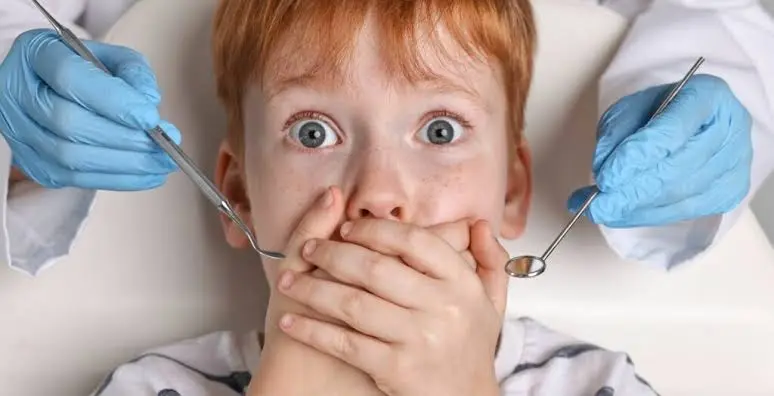

The first lost tooth, the first day of kindergarten, the first sleepover. Childhood is full of firsts, and plenty of them come with butterflies. A dental appointment can be one of those moments, especially for a little one who’s uneasy around new places, bright lights, or strangers leaning in close.
If you’re a parent wondering what to expect at pediatric dentist visits in Tucson, AZ, with a nervous child in tow, you’re in good company. Dorsett Dentistry & Braces regularly meets families who arrive with a worried kid and a few worries of their own. This guide covers how dental teams ease children into the experience, what happens in the chair, and how you can help along the way.
Quick Takeaways for Busy Parents
- Dental teams often name each tool and let children see or touch it before it goes near their teeth.
- A checkup can be shortened, paused, or split up based on how your child is handling it.
- Short, upbeat explanations at home usually go further than long talks or rewards.
- Ending a visit early is a normal outcome, and many children warm up over a few shorter trips.
- Pain, swelling, or dark spots on teeth are good reasons to book an appointment soon.
How Are Kids Introduced to the Office?
Most pediatric dental teams introduce children to the office gradually, starting with a friendly hello and a chance to look around before anything touches their teeth. The goal is to make an unfamiliar place feel ordinary.
A widely used approach is called tell-show-do. The dentist or hygienist explains a step in simple words, shows the tool (sometimes on a fingertip or a stuffed animal), and then does it. A mirror becomes a “tooth mirror,” the suction becomes a “tiny vacuum,” and the polisher gets described as a toothbrush that tickles.
Kids may also get to ride the chair up and down, try on the protective sunglasses, or help count their own teeth. These small moments hand a child some control, which is often exactly what an anxious kid feels they’re missing.
What to Expect at Pediatric Dentist Visits
A typical checkup for a nervous child moves through three stages, and each one can flex to fit how your child is feeling that day. Here’s the general flow:
- Before: You’ll check in and fill out a health history. This is the time to tell the team about your child’s fears, any rough past experiences, medical conditions, and medications. Mention anything that has calmed them before, like a favorite show or comfort toy.
- During: The dentist looks at the teeth, gums, and bite, often counting teeth out loud as they go. A hygienist may clean off plaque, polish the teeth, and apply fluoride. X-rays are taken only when the dentist feels they’re needed.
- Recovery and follow-up: A routine checkup has no real downtime. If fluoride was applied, you may be asked to hold off on eating or drinking for a short time. When treatment like a filling is needed, the dentist will explain it and may schedule it as a separate visit.
Families planning a first dentist visit for kids under age three can expect an even simpler appointment. Sometimes the exam happens with your child sitting on your lap, facing you, while the dentist takes a quick look.
What Calming Techniques Do Dentists Use?
Dentists rely on a mix of communication, distraction, and small comfort measures to help children relax during exams and treatment. The right combination depends on the child’s age and temperament.
- Positive reinforcement: Specific praise for opening wide or sitting still, sometimes followed by a sticker or small prize.
- Distraction: Ceiling TVs, music, counting games, or a story while the team works.
- Steady pacing: A calm voice, short steps, and breaks built into the visit.
- Stop signals: A raised hand that means “pause,” so kids trust they can take a breather.
- Numbing gel: Applied before any injection so the area feels less sensitive.
- Nitrous oxide: Sometimes called laughing gas, a mild option some offices use during treatment. Ask your dental team whether it’s available and appropriate for your child.
Dental anxiety in kids is common, and it tends to ease as trust builds. Dentists are trained to watch a child’s cues and adjust in the moment instead of pushing through a set checklist.
How Can Parents Help Before and During?
Parents help most by staying calm, keeping explanations simple, and following the dental team’s lead once you’re in the room. Kids pick up on your tone faster than your words. Reading up on what to expect at pediatric dentist appointments, like you’re doing now, also makes it easier to answer your child’s questions honestly.
What Should You Say at Home?
- Keep it short and positive: “The dentist is going to count your teeth and check that they’re strong.”
- Skip loaded words like “hurt,” “shot,” or “drill,” and let the team choose kid-friendly terms.
- Read a picture book about the dentist or play pretend with a toothbrush and a stuffed animal.
- Avoid bribes or promises that “nothing bad will happen,” since both can hint there’s something to fear.
- Book a time of day when your child is usually rested and fed.
How Can You Help in the Chair?
Ask ahead whether you can stay in the room. Policies vary, and some children actually do better with a parent waiting outside. If you’re nearby, a quiet hand on their foot or a reassuring smile goes a long way.
Try not to coach over the dentist, since two voices giving directions can confuse a child. And if you had tough dental experiences growing up, it’s fine to save those stories for another day.
What If Your Child Gets Overwhelmed?
If a child becomes too upset to continue, the dental team will usually pause, try again gently, or stop and plan another visit. No one wants to force a frightened child through care that isn’t urgent.
Sometimes the next appointment is a short one focused only on getting used to the chair and tools. Treatment may also be broken into smaller visits. For children with extensive dental needs or severe anxiety, the dentist may talk with you about sedation options or a referral to a specialist.
Pausing or rescheduling is a normal part of what to expect at pediatric dentist offices that see anxious kids. It says nothing about your parenting. Just keep in mind that untreated decay can get worse over time, so ask the dentist how soon the next attempt should happen.
When Should Your Child See a Dentist?
Children should see a dentist by their first birthday or within six months of their first tooth, then for regular checkups after that. Book sooner if you notice any of these signs:
- Tooth pain or complaints that chewing hurts
- Sensitivity to hot, cold, or sweet foods
- White, brown, or dark spots on the teeth
- Red, swollen, or bleeding gums
- A chipped, cracked, or loose tooth after a fall
- Bad breath that doesn’t improve with brushing
- Fear so strong that brushing at home turns into a daily battle
These signs don’t always point to something serious, but a dentist can take a look and explain what’s going on.
Helping Nervous Kids Build Confidence
A nervous child doesn’t have to mean a difficult visit. With a patient team, a little preparation at home, and room to go slowly, the dental office can become just another familiar place. Knowing what to expect at pediatric dentist appointments takes much of the guesswork out of it for both of you.
Regular checkups give kids a chance to build trust before a problem ever shows up. Dorsett Dentistry & Braces in Tucson, AZ, welcomes families who are ready to start that process. Parents looking for a children’s dentist in East Tucson, AZ, can reach out to plan a first step that feels manageable.
Schedule Your Child’s Visit
Ready to book? Call Dorsett Dentistry & Braces at (520) 843-3785, or visit the office at 5504 East 22nd Street, Suite 140, Tucson, AZ 85711. Let the team know your child feels nervous when you call so they can plan the visit with that in mind.
Also Read
- Sydney’s ageing infrastructure: why older homes need urgent plumbing inspections
- Finding Hope and Healing with a Clinical Psychologist in Melbourne
- The Ultimate Guide to Building Inspection: Ensuring Your Property’s Safety and Value







Leave a Comment