
Shift Your Mindset and Lower Your Expectations
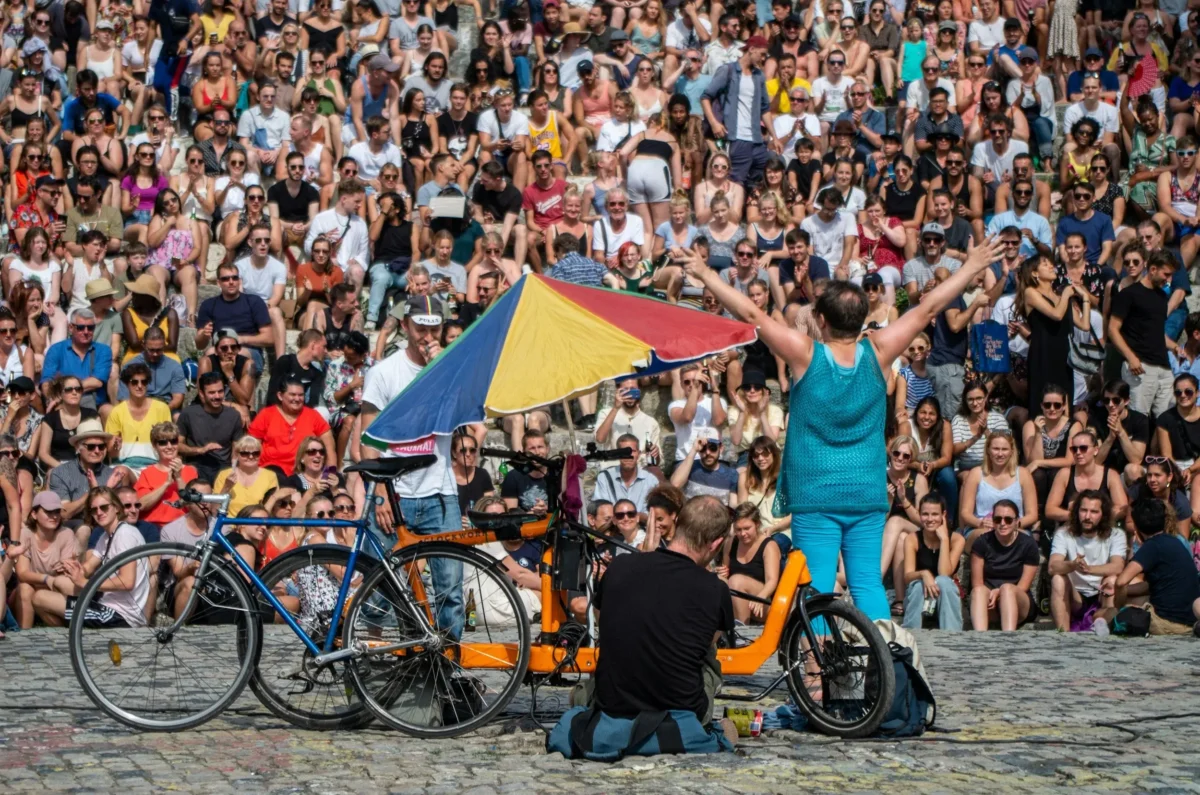
Attending an event alone for the first time feels intimidating. Most people worry that others will judge them for not having friends to go with. This fear is completely normal, but it is also completely unfounded. The first step to enjoying solo outings is shifting your mindset. You must realize that most people at an event are focused on themselves, not on you.
When you walk into a room alone, you might feel like a spotlight is shining on you. In reality, no one is paying attention to your solo status. People are busy talking to their friends, finding their seats, or looking for the bathroom. They do not have the mental energy to judge a stranger. Remind yourself of this fact before you leave your house. Your anxiety is an internal feeling, not a reflection of reality.
Lower your expectations for your first solo outing. Do not expect to make three new best friends or have the most exciting night of your life. Set a very simple goal. Your goal should be to arrive, stay for thirty minutes, and then leave if you want to. If you stay longer, that is a bonus. Setting a low bar removes the pressure to perform socially.
Treat your solo outing as a personal adventure. You are taking yourself on a date. You get to choose exactly what time you arrive and what time you leave. You do not have to compromise on which exhibit to see first or where to eat afterward. Embrace the freedom that comes with being alone. This independence is a luxury, not a punishment.
Finally, accept that feeling a little awkward is part of the process. Awkwardness will not hurt you. It is just a temporary emotion. When you feel a wave of awkwardness, take a deep breath and look around the room. Acknowledge the feeling, and then let it pass. The more you practice going out alone, the less awkward you will feel.
Choose the Right Type of Event for Your First Solo Trip
Not all events are created equal when you are going alone. A crowded nightclub is a terrible place for your first solo outing. The music is too loud for conversation, and people usually stick tightly to their existing groups. You need to choose an environment that naturally accommodates solo attendees and encourages low pressure interaction.
Start with structured events that have a clear focus. A lecture, a movie screening, or a theater performance are excellent choices. At these events, everyone sits facing the same direction and focuses on the stage. You are supposed to be quiet. No one expects you to socialize during a movie. You can enjoy the shared experience of the crowd without the pressure to make small talk.
Interactive classes and workshops are also perfect for solo beginners. When you attend a cooking class or a painting workshop, you have a physical task to complete. The activity itself acts as a buffer against awkwardness. You can use platforms that list nearby events to find beginner friendly classes in your area. These platforms often highlight community events where many people attend alone to learn a new skill.
Avoid events where the primary activity is standing around and talking. Large networking mixers or open ended cocktail parties are very difficult for solo beginners. Without a structured activity, you have to initiate conversations from scratch, which requires a lot of social energy. Save these types of events for when you have built more confidence in your solo skills.
Consider the layout of the venue before you go. A coffee shop with large communal tables is better than a restaurant with small, separate booths. Communal seating forces people to share space, which naturally leads to casual interactions. If you go to a bar, sit at the actual bar counter rather than a table. Bartenders are paid to talk to solo customers, and sitting at the counter makes you approachable.
Master the Art of Arriving and Settling In
The most difficult part of attending an event alone is the first five minutes after you arrive. Walking through the door and finding a place to stand can trigger a spike in anxiety. You need a strategy for those crucial first minutes to help you settle in smoothly.
Arrive early. This might sound counterintuitive, but arriving early is a powerful strategy for solo attendees. When you arrive early, the room is mostly empty. You can choose the best seat or find a comfortable place to stand. As the room fills up, people will join you in your space. This is much easier than walking into a packed room and trying to push your way through a crowd.
Give yourself a physical task immediately upon arrival. Do not just stand in the middle of the room looking lost. Walk straight to the coat check, go to the bar to order a drink, or grab a program and read it. Having a clear destination gives you purpose. It makes you look confident and gives you a moment to adjust to the environment.
Keep your phone in your pocket. It is very tempting to pull out your phone and scroll through social media when you feel awkward. However, looking at your phone builds a wall around you. It signals to other people that you do not want to be bothered. Keep your head up, look around the room, and maintain an open posture.
Find a strategic place to stand or sit. Do not hide in a dark corner, but do not stand in the middle of the main walkway either. Look for areas with natural traffic flow, like near the food table or close to an interesting exhibit. Standing near something interesting gives people a reason to walk near you, which increases the chances of a casual conversation.
If you feel overwhelmed, use the bathroom trick. The bathroom is a safe, quiet space where you can regroup. If the anxiety feels too high, excuse yourself and go to the restroom. Wash your hands, take a few deep breaths, and remind yourself of your simple goal. A two minute break in a quiet room can reset your nerves completely.
How to Initiate and Exit Conversations Gracefully
You do not have to talk to anyone if you do not want to. However, if you want to practice your social skills, you need to know how to start and end conversations. Initiating a conversation alone requires a little bravery, but the technique is actually quite simple.
Use the environment to start a conversation. Do not try to think of a clever opening line. State an observation or ask a question about the event. If you are at an art gallery, stand next to someone looking at a painting and ask, “What do you think of the colors in this one?” If you are waiting in line for food, ask the person next to you if they know what is on the menu. Shared context is the easiest conversation starter.
Give a genuine compliment. Compliments are universally welcomed. Tell someone you like their jacket or their glasses. Follow the compliment immediately with a related question. For example, “I love your boots. Did you buy them locally?” This combination of a compliment and a question forces a response and gets the conversation flowing naturally.
Listen more than you speak. Once a conversation starts, ask open ended questions and let the other person talk. People love talking about themselves. If you show genuine interest in their answers, they will think you are a fantastic conversationalist, even if you say very little. Nod, maintain eye contact, and ask follow up questions.
Know how to exit a conversation gracefully. You will inevitably talk to someone who talks too much or someone you do not connect with. You need an exit strategy. The easiest way to leave is to state a physical need. Say, “It was great meeting you, but I need to go grab a glass of water.” Or say, “I am going to check out the other room now, enjoy the rest of the event.”
Always leave on a positive note. When you decide it is time to go home, do not just sneak out the back door. If you had a good conversation with someone, walk over and say goodbye. Tell them you enjoyed meeting them. Leaving positively reinforces the idea that your solo outing was a success. You will walk to your car feeling proud of yourself for trying something new.
Also READ-Innovative Technologies in Metalworking Equipment



Leave a Comment