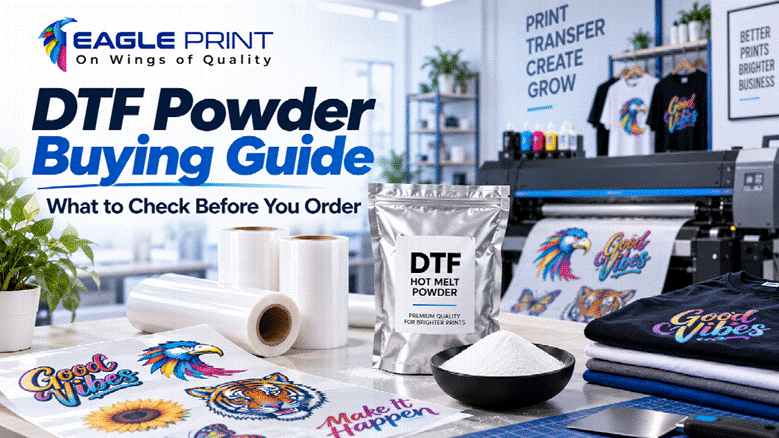

DTF powder looks simple, but it plays a critical role in how a printed transfer bonds during the heat-press process. For buyers searching for DTF powder near me or comparing online options, the goal should be more than finding a bag that is available quickly. You need powder that fits your production process, storage habits, film and ink workflow, and expected job volume. A practical buying decision starts with understanding what the powder does and what questions to ask before bringing it into production.
What Does DTF Powder Do?
DTF powder is an adhesive material applied to wet printed ink on transfer film. After the excess powder is removed, the coated print is cured so the adhesive can later activate during heat pressing. In other words, the powder helps create the bond between the printed design and the garment.
Because the powder sits between the printed image and the final fabric, inconsistent application can affect the production result. That is why buyers should treat powder as a production consumable, not as an interchangeable commodity. If you are comparing local or online options, Eagle DTF Print maintains a DTF powder near me collection as one place to review available powder-related options.
Check Compatibility With Your Existing Workflow
The first question is whether a powder fits the workflow you already use. Avoid assuming that any powder will behave the same in every setup. The printing process includes ink, film, powder application, curing, pressing, and fabric selection, so changes in one component may require testing elsewhere.
Before ordering for production, confirm the product instructions and evaluate the powder with the film, ink, curing method, and garments you use most often. If you operate more than one printer or production line, do not assume a test on one setup automatically represents every other setup.
Think About Application Consistency
Powder needs to reach the printed areas consistently while excess material is removed from areas where it is not needed. That can be done manually in smaller workflows or with dedicated powder-handling equipment in higher-volume production. Either way, consistency matters more than simply applying more powder.
When testing a new powder, look at how evenly it coats wet ink and how easily excess material can be cleared. A repeatable process is easier to train, monitor, and troubleshoot. If results vary from transfer to transfer, document the printing, powder, curing, and pressing steps instead of changing several variables at once.
Buy a Quantity That Matches Real Consumption
Bulk purchasing can look economical, but larger quantities only help when they can be stored and used appropriately. A smaller operation may benefit from keeping inventory lean, while a busier shop may need enough powder on hand to avoid stopping production between orders.
Eagle DTF Print also lists DTF transfer powder in a 1 kg product format, which gives buyers a concrete package size to compare against their expected usage. The right order size depends on your production volume, testing plan, storage conditions, and how quickly consumables move through your shop.
Storage Should Be Part of the Buying Decision
Consumables are only useful if they remain in workable condition between deliveries. Follow the product and manufacturer guidance for storage, handling, and environmental requirements. Keep powder organized, clearly identified, and protected from contamination in your production area.
It is also smart to separate opened material from unopened backup stock. This makes inventory easier to monitor and can reduce confusion when troubleshooting. If you change brands, product types, or batches, label them rather than mixing everything into one container.
Test Before a Large Customer Run
A new consumable should earn its place in production. Run controlled tests before using unfamiliar powder on an important or time-sensitive customer job. Use artwork and garments that reflect the work you normally produce, then evaluate the complete transfer process rather than judging the powder in isolation.
- Check whether powder coverage looks even on the printed design.
- Confirm that excess powder can be removed cleanly.
- Follow the specified curing and pressing process.
- Inspect edges, fine details, and larger solid areas after pressing.
- Record the settings and materials used so a successful test can be repeated.
One successful transfer is useful, but repeatability is the real goal. Run enough samples to see whether the same process produces consistent results.
Local Availability Can Reduce Production Risk
The phrase “DTF powder near me” often signals an operational problem, not just a shopping preference. A print shop may be low on powder, testing a new setup, or trying to avoid a production stop. In those situations, availability and replenishment speed can matter alongside price.
Still, urgent purchasing should not eliminate basic checks. Confirm the product, quantity, intended use, and handling requirements before ordering. Keeping a simple reorder point for frequently used consumables can also reduce last-minute buying decisions.
A Practical DTF Powder Checklist
- Confirm the powder is appropriate for your intended DTF workflow.
- Review storage and handling guidance before ordering.
- Choose a package quantity that fits realistic consumption.
- Test the powder with your normal film, ink, garments, and process.
- Document a repeatable application, curing, and pressing routine.
- Set a reorder point so production does not depend on emergency purchasing.
Bottom Line
Buying DTF powder is a small decision with a large effect on workflow reliability. The best option is not simply the closest, cheapest, or largest package. It is the powder you can test, store, apply, cure, and reorder consistently within your production system. Treat it as part of the full transfer process, and you will make a more informed purchasing decision.
Read more: https://grammerway.com/is-it-staff-augmentation-still-worth-it-now-that-ai-writes-code/
https://grammerway.com/why-window-replacements-are-a-smart-investment-before-selling-your-home/






Leave a Comment