
Understanding Accessory Dwelling Units
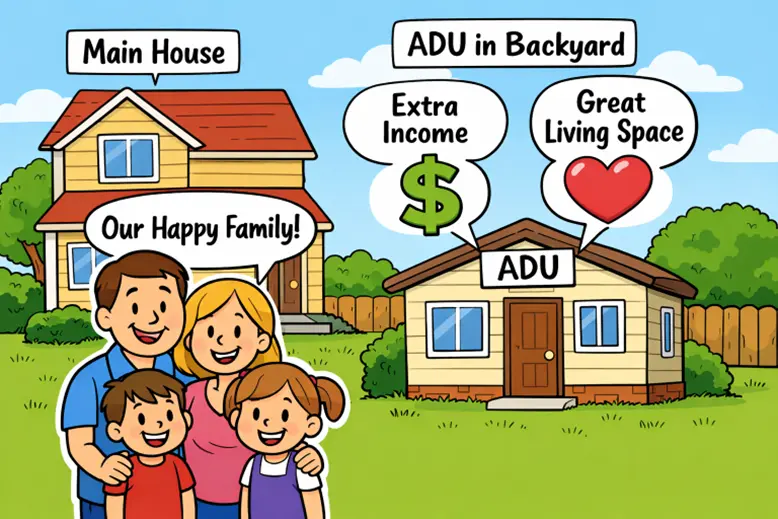
Accessory Dwelling Units, or ADUs, are versatile residential spaces located on the same property as a main home. Designed to be fully livable, ADUs include their own kitchen, sleeping area, and bathroom facilities. Homeowners across the country increasingly see ADUs as an effective way to expand usable living space or generate income through rentals. For those considering such a project, seeking out reputable ADU builders Sacramento ensures the construction process aligns with best practices and meets local standards.
Whether it’s a detached cottage in the backyard or a basement converted into a separate apartment, ADUs provide flexible options for maximizing property functionality. Their surge in popularity is also tied to their potential to address housing shortages by offering additional housing options within established neighborhoods.
Types of ADUs
- Detached ADUs: These standalone structures are separate from the primary house and provide complete privacy. They often serve as guest houses, rental units, or private studios.
- Attached ADUs: Integrated into the main residence, attached ADUs may be built over garages, created by converting existing garages, or connected to the primary structure at one wall.
- Conversion ADUs: Built from existing interior spaces, such as basements or attics, conversion ADUs transform underused areas into independent living spaces for tenants or family members.
Benefits of Adding an ADU
Building an ADU can deliver significant benefits to homeowners, including increased property value and greater lifestyle flexibility. Having an additional living unit creates options for intergenerational housing by offering a nearby but separate residence for aging parents or adult children. Alternatively, owners may opt to lease the unit, generating consistent rental income.
- Increased Property Value: Adding an ADU to a property can boost its value by as much as 34%, making the home more attractive to buyers and often resulting in faster sales when owners decide to move.
- Additional Income: Renting out the ADU provides homeowners with an extra revenue stream that can help cover mortgage payments, home upgrades, or even supplement retirement income. Renters often appreciate the opportunity to live in established neighborhoods without the high costs of owning a traditional home.
- Flexible Living Arrangements: With a private unit on-site, families can invite loved ones to live nearby while maintaining personal space and privacy for everyone.
Financial Considerations
An ADU can be a strategic investment, but it is essential to plan and understand all costs and benefits. Construction expenses vary widely, with detached units generally costing more due to additional foundational and utility requirements, and conversion projects being more affordable thanks to the existing structure.
- Construction Costs: Building an ADU typically ranges from $50,000 to over $200,000, depending on size, location, existing site conditions, and design choices.
- Financing Options: Homeowners can utilize home equity loans, refinancing, or specialized ADU construction loans to fund their project.
- Potential Rental Income: Study local rental markets to estimate income from an ADU. Ensure projected rental earnings align with construction costs and your long-term financial goals.
Carefully assessing these financial considerations can help determine whether an ADU project will yield a solid return on investment. For further insights into ADU cost-benefit analysis, homeowners can consult resources from major real estate advisory services such as Zillow.
Legal and Zoning Regulations
Every municipality has its own zoning laws and permitting processes for ADUs. Some communities allow them freely, while others place restrictions on size, height, or occupant eligibility. Before moving forward, consult local planning departments or your city’s website to ensure your plans align with requirements.
- Zoning Laws: Research your locality’s zoning code. Check for lot size requirements, allowable ADU square footage, and whether short-term rental agreements are permitted.
- Permitting Process: Obtain all necessary permits before starting construction. Unpermitted ADUs could result in fines or legal issues.
- Occupancy Rules: Some municipalities limit ADU occupancy to relatives or impose restrictions to maintain neighborhood character.
Understanding these legal guidelines is crucial to avoid costly mistakes or required removals down the line. Homeowners can also stay informed through resources like The New York Times’ coverage of ADUs.
Design and Construction Tips
Successful ADUs require planning that considers both aesthetic and practical concerns. Design matters, especially if resale value is part of your long-term goal. Choose exterior finishes and rooflines that complement your main residence, and design interiors for efficient, flexible use. Small layouts benefit greatly from built-in storage and open-plan living spaces.
- Match Aesthetics: Harmonize your new ADU’s architectural style with your main home for a cohesive appearance.
- Optimize Space: Use space-saving furniture, built-in storage, and thoughtful room layouts to get the most out of every square foot.
- Energy Efficiency: High-efficiency windows, insulation, and appliances keep utility bills lower and appeal to eco-conscious renters.
Potential Challenges
While the advantages are substantial, homeowners should keep a clear eye on possible challenges. Upfront costs can be high, so plan financing before starting. Landlords are responsible for maintaining both the main home and the ADU, which requires time and resources. Additionally, some neighbors may be concerned about increased density or the changing character of their street.
- Upfront Costs: Initial investments are significant. Set aside a realistic budget for construction, permits, and any unexpected expenses.
- Maintenance Responsibilities: Managing an additional living unit means more work in repairs and upkeep.
- Neighborhood Opposition: Be proactive in communicating with neighbors if you anticipate resistance, and highlight how ADUs can benefit the community.
Conclusion
Introducing an Accessory Dwelling Unit to your property can offer smart, flexible solutions for value, income, and lifestyle needs. By understanding the different ADU types, financial implications, local regulations, and incorporating thoughtful design, homeowners can make confident, informed decisions. With careful planning, an ADU can quickly become one of the most rewarding additions to your real estate portfolio.
Also READ
- The Busy Homeowner’s Guide to Effortless Interior Upkeep
- My Experience Using SocialWick for Brand Growth
- Chihiro Meaning and Hiatus Meaning: Deep Origins, Modern Uses, and Real-Life Examples







Leave a Comment