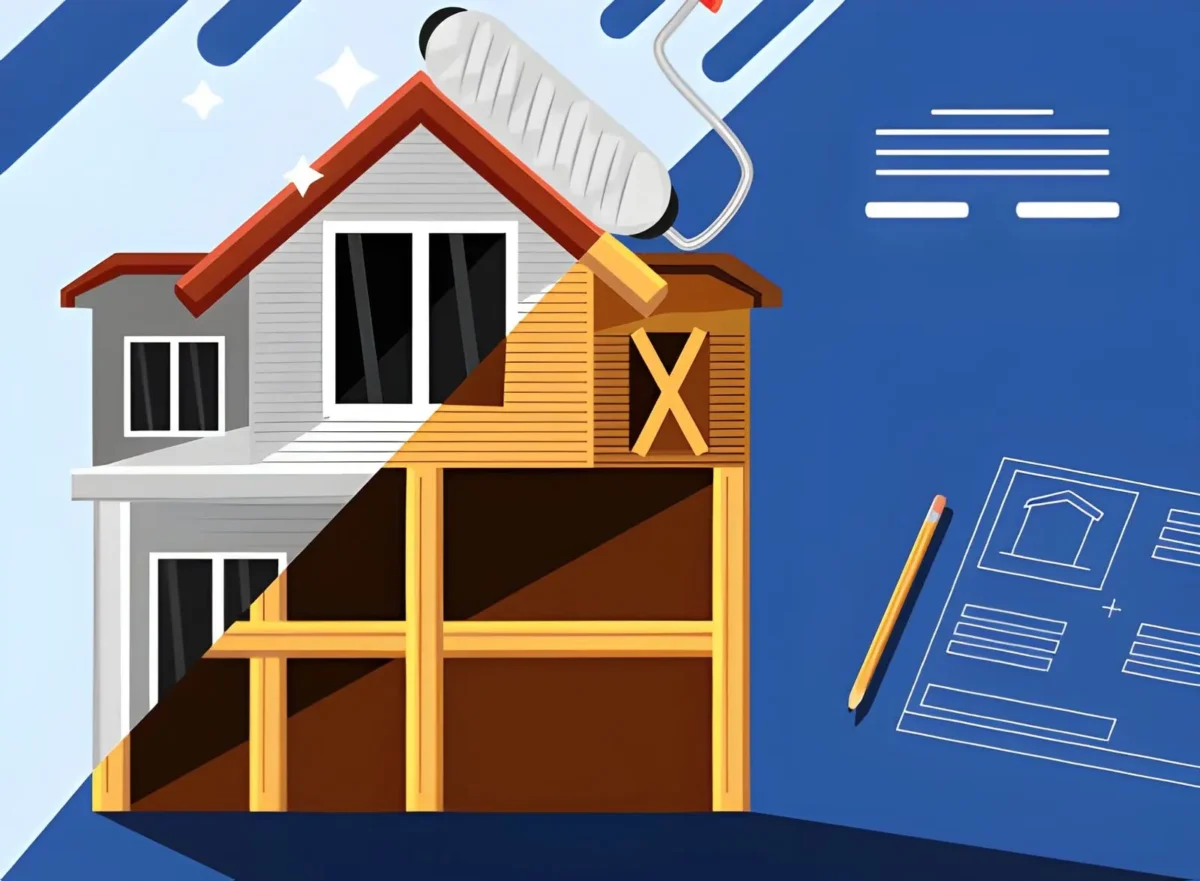

Transforming your entire home on a budget may seem intimidating. However, with careful planning and practical adjustments, you can create a stunning new space that looks and feels fresh. If you are inspired by high-end design, choosing a savvy approach to your project can get you impressive results without breaking the bank. For those curious about premium options, the luxury home remodeling process can help provide perspective on how to blend affordability and elegance effectively.
By implementing strategic upgrades and focusing on the areas that matter most, you can see significant changes in your living environment, even with limited funds. Following the right process helps keep your goals in view and avoids disappointing setbacks.
From high-impact updates in your kitchen or bathroom to simple DIY fixes, you have many choices to make a meaningful difference. Smart spending and thoughtful design ensure you get the most out of each dollar, helping you achieve a comfortable, modern home suited to your lifestyle.
Throughout your journey, keeping an eye on materials, energy efficiency, and purchasing opportunities maximizes your investment and can even boost your home’s value for the future. The following tips will guide you, step by step, toward your dream remodel while staying within a realistic budget.
Planning Your Remodel
The best affordable remodels begin with a solid plan and clear priorities. Set a budget that covers all foreseeable expenses, including materials, labor, permit fees, and an emergency fund for surprises. The best affordable remodels begin with a solid plan and clear priorities, especially when considering long-term investments like a home elevator. Set a budget that covers all foreseeable expenses, including materials, labor, and a thorough assessment of home elevator costs, while maintaining an emergency fund for surprises. Researching design options and materials in advance lets you avoid unplanned mid-project changes that can quickly lead to overspending. Creating itemized lists, checking references for contractors, and even drawing diagrams before anything starts can keep your renovation stress-free and on track.
Focusing on High-Impact Areas
Prioritizing rooms that add value and are used the most is one of the smartest cost-saving strategies. The kitchen, often called the heart of the home, and the bathrooms are spaces that benefit most from even modest updates. Refreshing cabinet paint, switching to contemporary lighting, or replacing old faucets with more modern styles can quickly make the space more attractive and functional. Simple tweaks such as updating a backsplash or adding open shelving can also give your space a personalized touch that feels high-end.
These high-traffic areas naturally become focal points for visitors and are often the first rooms homeowners and guests notice, making the return on investment for updates particularly strong.
Choosing Cost-Effective Materials
Material costs often drive up remodeling budgets. Substitute premium options with comparable, lower-priced alternatives where possible. Laminate countertops deliver the look of granite or quartz without the hefty price tag, and luxury vinyl plank flooring can provide the feel of hardwood at a fraction of the cost. With hundreds of finishes and options available, it is easier than ever to achieve a polished aesthetic for less. Be sure to weigh durability as well, ensuring your investment holds up over time.
Embracing DIY Projects
You can often take on minor remodeling projects yourself and save significantly on labor costs. Painting walls, installing peel-and-stick tile, installing floating shelves, or updating cabinet hardware are manageable DIY fixes. Online tutorials offer detailed, step-by-step instructions to help you complete these upgrades with confidence. For complex undertakings, such as structural work or electrical changes, it is still best to consult professional contractors to avoid safety hazards and costly mistakes.
Enhancing Energy Efficiency
Smart remodels account for future savings by improving your home’s energy efficiency. Simple upgrades such as switching to LED bulbs, upgrading insulation, and installing programmable thermostats can reduce utility bills. Swapping out old appliances for energy-efficient models and sealing leaky windows and doors further increases comfort and saves long-term costs. These changes often qualify for rebates or incentives from local utility companies, boosting affordability even further.
Avoiding Major Structural Changes
Making major changes to your home’s structure, such as moving walls or relocating plumbing lines, adds substantial cost and complexity. Maintaining your current floor plan and focusing on aesthetic upgrades saves both money and time. Cosmetic touches like new paint, trim, or lighting go a long way toward transforming a space, letting you update its look without getting into extensive construction.
Shopping Smart
Savvy shoppers know that timing and resourcefulness play a major role in a budget remodel. Comparing prices across multiple retailers, watching for seasonal sales, and exploring clearance or overstock lots can stretch your budget. Online marketplaces and local surplus warehouses are great places to discover high-quality goods at reduced prices. Make a wish list and be patient, as waiting for the right deal can net significant savings in the long run.
Remodeling in Phases
Attempting a full home makeover all at once often leads to stress and overspending. Breaking your remodel up into smaller, manageable phases lets you pay as you go, learn from each stage, and adjust your plans as needed. Start with the most critical rooms, then work through the less urgent spaces. This approach also gives you flexibility if you discover opportunities or new needs along the way.
Final Thoughts
Achieving a beautiful, functional home does not require an unlimited budget. By focusing on strong planning, making smart material choices, leveraging DIY skills, and shopping strategically, you can accomplish a remarkable remodel at a manageable cost. Prioritize updates that maximize impact and value, and do not overlook the importance of energy efficiency for lasting savings. With the right approach, your home transformation will bring comfort and enjoyment for years to come.
Also Read
- Innovative Technologies in Metalworking Equipment
- How to Find Grants in Michigan: A Practical Guide for Nonprofits, Businesses, and Individuals
- Pendeja Meaning in English: Definition, Usage, Cultural Context, and Real-Life Examples





Leave a Comment