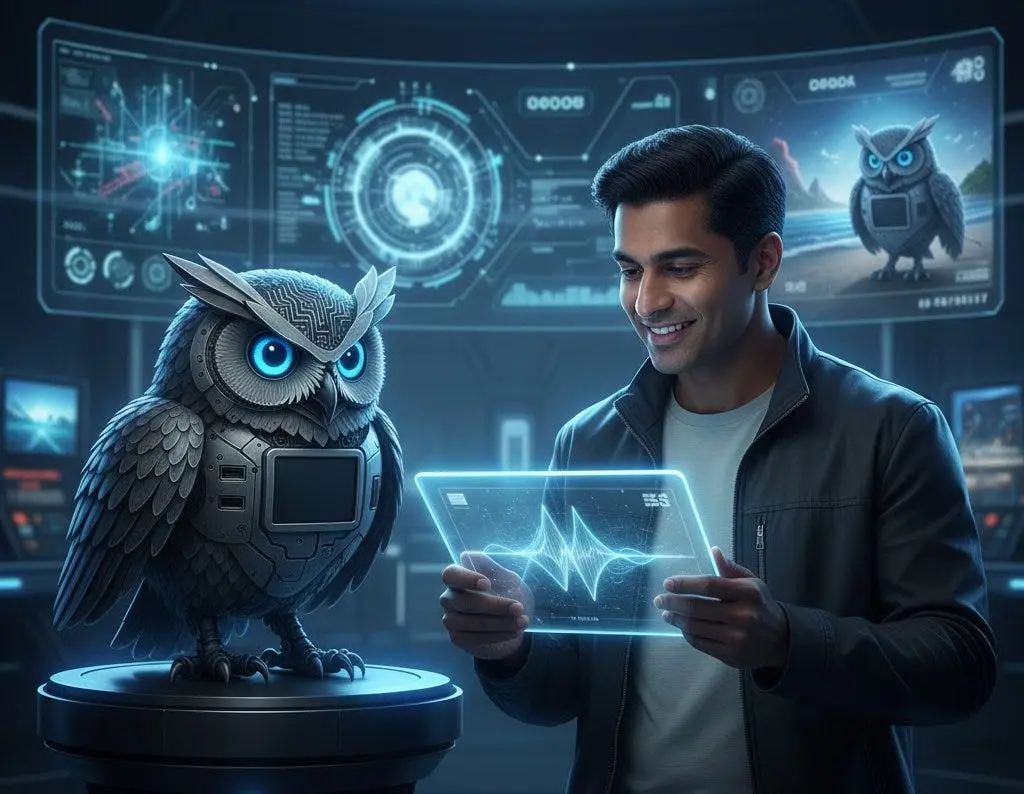

When the notification popped up that Sora was shutting down, my first reaction was disbelief. Just months earlier, it had been the most talked-about AI tool on the internet. And now it was gone. If you’re here searching “did Sora AI get taken down,” yes — it’s confirmed. OpenAI officially shut down Sora in March 2026, citing the need to make trade-offs on products with high compute costs.
Here’s the full story, and more importantly, where to go from here.
What Happened to Sora?
Sora launched as a standalone app in September 2025, quickly rising to the top of the iPhone App Store. The hype was real. The promise — type a few words and watch a cinematic video appear — genuinely felt like a glimpse into the future. OpenAI even landed a high-profile partnership with Disney, with plans to let users generate videos featuring Marvel, Pixar, and Star Wars characters.
But behind the scenes, things weren’t working out. The app was burning through roughly $1 million every day to run, because video generation is so costly in terms of computing power. Meanwhile, user numbers peaked around one million and then dropped to fewer than 500,000. That math doesn’t work for anyone.
According to The Wall Street Journal, Sora now looks like “an expensive strategic miscalculation” — a lesson for the whole industry about getting distracted by flashy side projects when the core business needs attention. The Disney deal, which included plans for a $1 billion investment in OpenAI, also collapsed when the shutdown was announced.
The whole thing unraveled faster than anyone expected.
What Creators Are Actually Feeling
Honestly, the frustration is valid. A lot of people had started building workflows around Sora. Some used it for social media content, others for creative projects or client work. Then one day, without much warning, it was gone.
If you still have content stored in Sora, there’s a data export deadline of April 26, 2026 — after that date, the app and web interface go fully offline. So if you haven’t exported your videos yet, do that first.
The silver lining? The alternatives have genuinely caught up — and in some areas, moved ahead.
What’s Worth Using Now
Spent the last few weeks testing several tools, and here’s a quick honest rundown:
Google Veo 3.1 is probably the most direct replacement for everyday use. It generates true 4K video with native audio, so you can create scenes with dialogue, background ambience, and even music — all in a single pass. It’s built into Gemini, so the learning curve is minimal. There’s a free tier, though video generation requires a paid plan.
Kling AI 3.0 is the one to reach for when you need longer clips. Where Sora capped videos at roughly 25 seconds, Kling generates up to two minutes — making it viable for product walkthroughs, training content, and extended social videos without any external stitching.
For the most polished results — especially anything involving real people or consistent characters across scenes — Seedance 2.0 stands out. It largely solves the “identity drift” problem that plagued Sora, where a character’s face would subtly change between shots. With its Identity Lock feature, you feed the AI a reference image and it maintains that exact face across multiple scenes and camera angles. For brand content, commercial work, or any narrative video where consistency matters, this is a big deal.
Runway Gen-4.5 is for anyone who wants more control over the final result. It’s essentially a full editing suite with AI video generation built in — tools like Motion Brush let you direct exactly which elements in a frame move and which stay still. The learning curve is steeper, but the output quality is consistently strong.
If you want to try AI video generation without committing to a subscription right away, you can start with Seedance free and get a feel for what the current generation of tools can actually do.
Conclusion
Sora’s shutdown is a reminder that no tool is permanent — especially in a space moving this fast. The creators who felt it most were the ones who had gone all-in on a single platform. The ones who adapted quickly already had a few tools in their rotation.
Whether you used Sora for quick text-to-video generation or creative exploration, the tools that followed have grown to cover every use case — with more control, more flexibility, and no risk of waking up to another shutdown announcement.
The AI video space didn’t die with Sora. If anything, the competition it sparked is what pushed every other platform to improve faster. The tools available right now are genuinely better — and the best ones are only getting started.
Also Read
- Innovative Technologies in Metalworking Equipment
- Buy TikTok Engagement Packages Designed for Authentic Growth
- Live3D AI Image Editor Transforms Interiors: Generate Designs Instantly




Leave a Comment