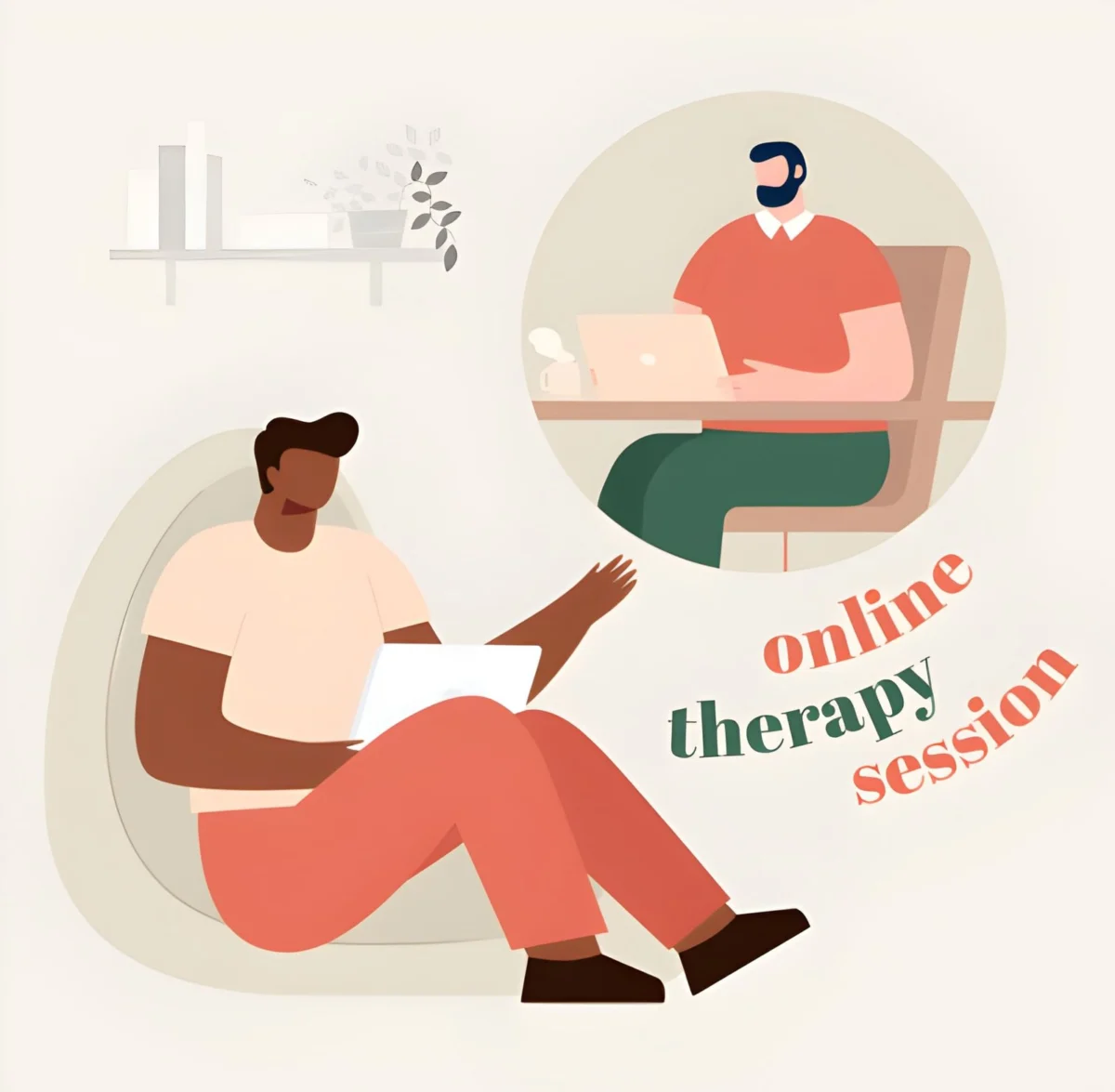

Choosing how to start therapy can feel just as daunting as deciding to start it. For years, the only real option was sitting across from a therapist in a physical office. That has changed significantly, and now millions of people receive mental health care entirely through a screen. But which format actually works better? The honest answer is that it depends on the person, and understanding the genuine differences between the two can help you make a smarter choice for your own situation.
This article breaks down how online and in-person therapy compare across several practical dimensions: effectiveness, accessibility, cost, privacy, and the types of conditions each format tends to serve well. By the end, you should have a clearer picture of which path fits your life right now.
What the Research Actually Says About Effectiveness
One of the most common concerns people raise is whether online therapy is as effective as meeting someone face to face. The research on this question has grown substantially over the past decade, and the findings are fairly consistent. A 2018 meta-analysis published in the Journal of Anxiety Disorders reviewed multiple randomized controlled trials and found that internet-delivered cognitive behavioral therapy (CBT) produced outcomes comparable to in-person CBT for conditions including depression, anxiety, and panic disorder.
That said, effectiveness is not a single variable. It depends on the therapeutic relationship, the format of communication, the severity of the condition being treated, and how consistently the client engages. Some people find it easier to open up when they are in the comfort of their own home. Others find the physical separation creates a feeling of distance that makes it harder to connect. Neither reaction is wrong. It simply reflects how differently people experience the same tool.
Accessibility: Who Benefits Most from Each Format
Access to mental health care has historically been shaped by geography, transportation, and scheduling. In-person therapy requires both the client and the therapist to be in the same city, often the same neighborhood, at the same time. For people living in rural areas, those with physical disabilities, parents managing young children, or professionals working irregular hours, that requirement creates a real barrier.
Online therapy removes most of those barriers. A person living outside a major metro area can connect with a licensed therapist who specializes in exactly what they need, without a two-hour commute. Someone managing a chronic illness that makes leaving the house difficult on certain days can keep their appointment from the couch. The flexibility also makes it easier to maintain consistency, which is one of the strongest predictors of positive outcomes in therapy.
Access works in the other direction too. For people who thrive on routine and structure, the act of physically traveling to an office can serve as a mental boundary between everyday life and therapeutic work. The commute itself becomes a transition period. That kind of built-in ritual can be surprisingly useful for people who struggle to shift into a reflective mindset while sitting in their kitchen.
Urban areas have seen particularly strong growth in telehealth options. Residents seeking virtual therapy in Bellevue, for example, now have access to a wide range of licensed providers without sacrificing the quality or specialization they would expect from an in-person clinic.
Cost and Insurance Coverage Considerations
Cost is one of the most practical factors in this decision, and the picture here is more nuanced than many people expect. Online therapy platforms that offer subscription pricing can appear cheaper on the surface, but they may not accept insurance, which changes the math significantly for people with mental health coverage. Traditional in-person practices often bill insurance directly, potentially reducing the out-of-pocket cost per session.
Since the COVID-19 pandemic, telehealth parity laws have been enacted or strengthened in many U.S. states. These laws require insurance companies to reimburse telehealth services at the same rate as equivalent in-person services. As of 2024, the American Psychological Association notes that most major commercial insurers cover synchronous video therapy sessions when delivered by a licensed provider. However, coverage details vary by plan, so verifying benefits before committing to any provider is a reasonable step.
| Factor | In-Person Therapy | Online Therapy |
| Session format | Face-to-face in office | Video, phone, or chat |
| Geographic flexibility | Limited to local providers | Access to providers statewide or nationally |
| Insurance coverage | Widely accepted | Increasingly accepted; verify by plan |
| Scheduling flexibility | Office hours, commute required | Greater flexibility, no travel |
| Non-verbal communication | Full body language visible | Partial; depends on video quality |
| Best suited for | Severe conditions, in-person assessment needs | Mild to moderate conditions, high-functioning adults |
| Privacy concerns | Private office environment | Requires a private space at home |
Privacy, Confidentiality, and the Home Environment
Confidentiality is a cornerstone of therapy regardless of format. Licensed therapists are bound by the same ethical and legal obligations whether they see clients online or in person. Sessions conducted over video platforms used by therapists are generally required to be HIPAA-compliant, meaning the technology itself is designed to protect health information.
The trickier privacy issue with online therapy is the physical environment on the client’s end. A person living with roommates, a partner, or family members may find it difficult to have a genuinely private conversation from home. Some people solve this by sitting in a parked car, using headphones, or scheduling sessions when others are out. These are workable solutions, but they require planning that in-person clients simply do not face.
On the flip side, some clients feel more psychologically safe discussing difficult topics in a familiar space. The home environment can reduce the clinical formality that occasionally makes it harder to be candid. There is no universally correct answer here; it comes down to the individual’s living situation and personal comfort.
Which Conditions and Situations Favor Each Format
Not every mental health concern is equally well-served by both formats. Understanding where each tends to perform better can guide a more informed decision.
Situations Where Online Therapy Often Works Well
- Mild to moderate depression and generalized anxiety
- Cognitive behavioral therapy protocols that follow structured session formats
- Social anxiety, where the lower-pressure online setting can reduce initial barriers to engagement
- Individuals already in a stable phase of treatment who want to maintain progress
- People in areas with limited access to specialized providers
- Those managing demanding schedules that make consistent in-person attendance difficult
Situations Where In-Person Therapy May Be a Better Fit
- Severe mental illness requiring close clinical observation
- Conditions where physical presence aids in somatic or body-based therapeutic approaches
- Crisis situations or active suicidal ideation, where immediate safety planning may be needed
- Younger children and adolescents who may benefit from physical presence and activity-based sessions
- Individuals who have previously found online formats difficult to engage with meaningfully
It is also worth noting that the two formats are not mutually exclusive. Some people start in person, transition to online once a strong therapeutic relationship is established, or alternate based on the season or life demands. Hybrid approaches are increasingly common and can offer the best elements of both.
Practical Steps for Making Your Decision
Once you have a sense of the general landscape, a few concrete questions can help you land on a format that actually fits your life.
- Assess your living situation: Do you have a private, quiet space where you can speak freely for 50 minutes without interruption?
- Check your insurance: Contact your insurer to confirm whether telehealth services are covered under your specific plan and at what reimbursement rate.
- Consider the severity of what you are dealing with: If you are in crisis or managing a serious diagnosis, speak with a clinician who can help determine the appropriate level of care before choosing a format.
- Think about your own history with technology: If video calls consistently feel awkward or draining for you, that friction may carry into sessions.
- Ask potential therapists directly: Many licensed therapists offer both formats and can give an honest opinion on which might work better given what you share with them upfront.
- Try it before committing long-term: Many providers offer an initial consultation that lets you gauge comfort before signing on for ongoing sessions.
Getting the format right matters because it directly affects how consistently you show up. Therapy that fits your schedule, your environment, and your personal style of communication is therapy you are more likely to actually attend week after week. And consistent attendance is one of the clearest factors in whether therapy produces lasting change.
The mental health field has spent years trying to make care more accessible without compromising its quality. The fact that both in-person and online therapy now have genuine research support behind them is good news for anyone looking to start. Your job is not to find the objectively superior format; it is to find the one that removes the most obstacles between you and showing up. Start there, and adjust as you learn what works.
Read more: Eating Disorder Recovery: What the Process Really Looks Like
How Veterans Can Find the Right Addiction Recovery Support
Understanding Depression: Causes, Types, and Treatment

Leave a Comment