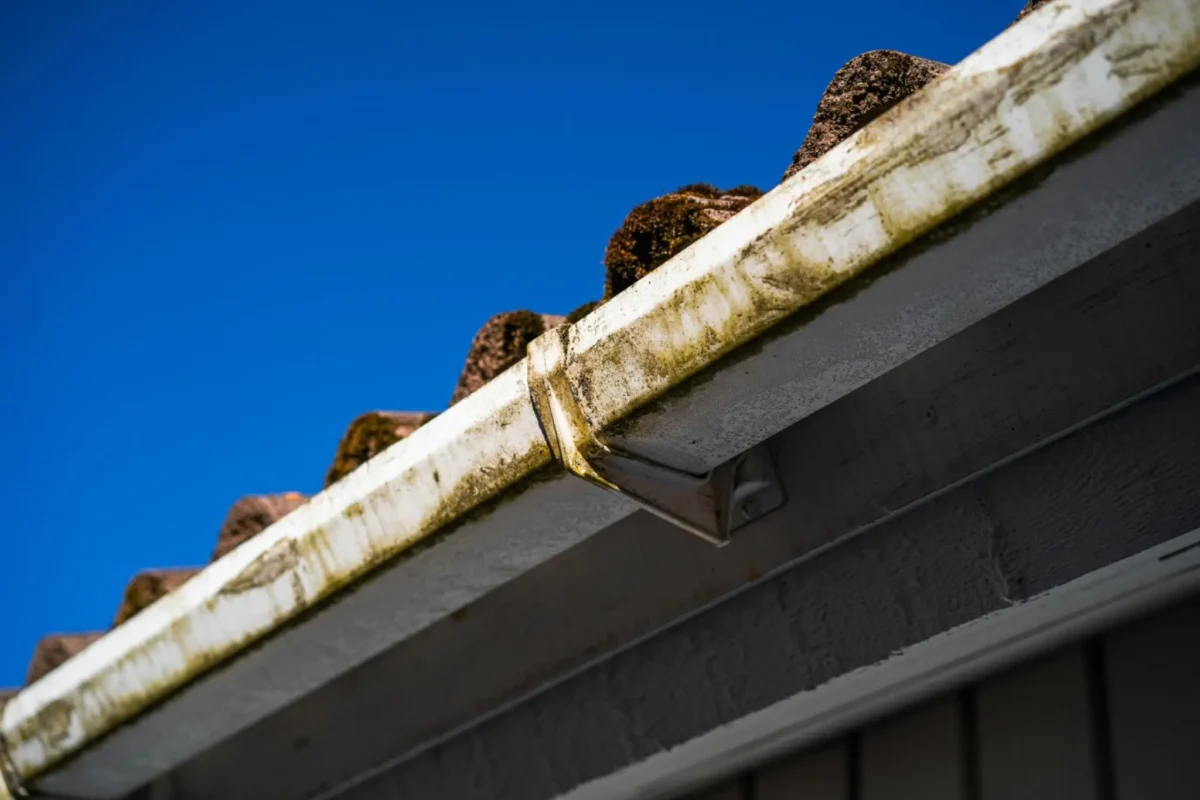

Molds form when spores settle on wet areas, and conditions are optimal for growth. Here’s how you can prevent mold by addressing the problem at the source, such as stopping water from getting into the walls, ceilings, floors, and foundations that make up a structure.
Common Areas That Need Building Waterproofing
Certain areas of a building are more prone to water damage than others. Knowing where these areas are helps you protect them before water damages the structure.
Roofs and Ceiling Surfaces
Roofs are directly exposed to the elements- whether rain or the elements themselves- although they are protected from various weather conditions. Broken roof sheets, failing joints, and poorly sealed penetrations can all allow water into the roof space.
You can minimize leaks by having your roof inspected regularly and applying the right waterproof coating. Notice recurring spots on the ceiling, as these could reveal an opening.
Exterior Walls and Concrete Surfaces
If moisture gets behind exterior walls because of cracks, broken plaster, or deteriorating finishes, it can cause serious problems. Moisture can deteriorate paint and weaken the surface, leading to mold issues.
Using the right building waterproofing solutions can form a water barrier. The appropriate system will be compatible with the surface material, location, and exposure.
Bathrooms and Other Wet Areas
Bathrooms, laundry rooms, kitchens, and areas behind toilets experience frequent water exposure. Without waterproofing installed underneath tiles and around plumbing fixtures, water can penetrate the walls, floors, and neighboring areas.
Waterproof membranes, sealed joints, and adequate drainage protect these areas. These are mainly crucial during construction and renovation.
Practical Waterproofing Measures for Long-Term Protection
You must go beyond a waterproof coating to eliminate mold. You need a comprehensive approach that accounts for the building’s issues, water contact, and drainage.
Start with these essential measures:
- Look for weak spots: Check the roof, walls, foundation, and wet areas for cracks, stains, peeling paint, and signs of seepage.
- Fix existing damage: Repair leaking pipes, cracked roofing, and open joints before applying waterproofing material.
- Always select suitable materials: Choose the right products for the intended use, such as those meant for roofs, concrete walls, bathrooms, or foundations.
- Improve drainage: make sure all rainwater from gutters, downspouts, and other drainage systems is diverted away from the building.
- Reduce humidity: Keep areas well ventilated with exhaust fans and air them out after getting wet to speed dry time.
The right surface works too. Waterproofing materials require a smooth, dry, clean surface to adhere to. If you apply coatings over moist, loose, or dirty surfaces, it can compromise the coating’s integrity.
Wrapping Up
First and foremost, to prevent mold, ensure moisture doesn’t enter your building in the first place. Beyond cleaning and ventilation, you need to manage leaks, seepage, drainage, and compromised surfaces. By taking the right steps to waterproof correctly, using the right materials, and getting annual inspections, you can avoid recurring, costly water issues. Contact a licensed waterproofing company to evaluate your building and recommend a system before you face expensive repairs.
Also Read
- https://grammerway.com/how-to-make-better-financial-decisions/
https://grammerway.com/maximizing-returns-through-strategic-commercial-property-investment/
https://grammerway.com/exploring-the-bachelor-in-science-at-james-cook-university-your-pathway-to-a-scientific-career/







Leave a Comment