
In today’s rapidly evolving educational landscape, structure and discipline are more vital than ever. These foundational elements create a solid framework in which students can thrive both academically and personally. They promote an environment where expectations and routines are clear, allowing students to focus on their learning goals. If you are considering a learning environment that incorporates these values, exploring options such as a boarding school in Virginia can offer unique insights into how disciplined education shapes student outcomes.
Beyond individual classroom management, structure and discipline are linked to the broader school culture. When thoughtfully implemented, they help nurture respectful, engaged, and academically motivated students. Recent research continues to highlight their importance, especially in addressing persistent issues like behavioral disparities and inconsistent learning climates.
Importance of Structure and Discipline
Consistent structure within schools provides stability for learners. Clear rules, routines, and transparent expectations allow students to understand what is required of them, significantly reducing confusion and anxiety. Fair and consistent discipline reinforces these expectations, making classrooms safer, more predictable, and conducive to academic achievement. A recent University of California, Berkeley study found that effectively managing discipline, rather than simply increasing punitive measures, was key to creating a positive learning environment. Notably, the study highlighted how disparities in applying discipline throughout the school year can worsen academic and social outcomes for minority students, underscoring the need for equitable practices.
The impact of structured settings is evident across all grade levels and school types. Students benefit from routines they can rely on, whether in a public school, a private academy, or a specialized alternative program. These approaches are often mirrored in residential settings, such as boarding schools and military academies, where discipline and structured schedules are critical components of daily life.
Impact of Teacher Diversity and Experience
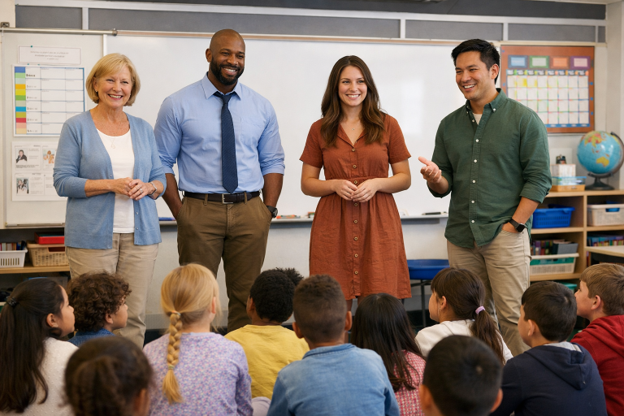
Teacher composition plays a vital role in shaping the tone and success of disciplinary practices. Schools with faculty who reflect both diversity and meaningful experience tend to see better outcomes not only academically but also in school climate. A Vanderbilt University study found that lower rates of exclusionary discipline, such as suspensions, were associated with teaching teams that were varied in background and seasoned in service. Diversity brings a richer understanding of diverse student needs, while experience enables the application of proven, equitable disciplinary strategies.
Professional development, mentorship programs, and targeted recruitment all contribute to building a more inclusive, effective faculty. When educational leaders prioritize these factors, they create environments where students from all backgrounds can succeed and feel supported.
Innovative Disciplinary Approaches
Schools are increasingly adopting methods that move away from strictly punitive discipline toward solutions based on understanding and support. Restorative practices, for example, focus on repairing relationships and fostering accountability by involving students in the resolution process. Positive behavioral interventions offer incentives for good conduct and help identify external factors that contribute to problem behavior. Some districts have implemented supervised in-school suspensions that allow students to continue learning while reflecting on their actions, preventing academic setbacks often caused by traditional suspensions.
By addressing the underlying causes of behavior and providing structured support, these approaches aim to close disciplinary disparities and foster a more inclusive school culture.
Challenges in Implementing Structured Discipline
Despite clear benefits, schools encounter significant obstacles when trying to build more structured and disciplined environments. These challenges include resistance to change, especially among those accustomed to traditional methods. Resource limitations, such as funding, staffing, and time, can impede progress. Furthermore, effective discipline requires extensive teacher training and support for professional growth. Ensuring fairness and equity across increasingly diverse student populations adds another layer of complexity, making it essential for policymakers and educational leaders to adopt a holistic and flexible approach.
Case Studies and Success Stories
There are many examples of schools successfully revamping their disciplinary approaches. In Arizona, for instance, one district returned to traditional discipline tactics, such as time-outs and supervised suspensions, and saw measurable improvements in both behavior and academic performance. Another case is in New York City, where restorative circles and mentorship programs led to a marked drop in suspension rates and fostered a stronger sense of belonging among students. These stories demonstrate that, with determination and thoughtful planning, positive change is attainable.
Future Directions in Educational Discipline
The future of school discipline lies in finding a balance between maintaining high expectations for behavior and addressing students’ individual needs. New technologies are helping educators proactively monitor behavior and intervene early. Schools are also increasing opportunities for student voice in the development of discipline policies. Involving parents and the broader community is vital for holistic success and sustainability. Continued research and adaptive strategies will drive the evolution of effective, inclusive disciplinary frameworks that meet the demands of diverse learning communities.
Conclusion
Structure and discipline, when applied thoughtfully and equitably, are crucial to the development of positive, productive learning environments. With ongoing commitment to innovation, investment in teacher diversity and training, and a willingness to address challenges head-on, schools can support the academic achievement and personal growth of every student. It is this ongoing pursuit of excellence that ensures all learners have the opportunity to succeed in school and beyond.
Read more: Why Homeowners Sell Their Properties Quickly in Lawrence, Kansas
Modern Muscle Cars as Daily Drivers in Orlando, Florida: Power Meets Practicality
Key Factors to Consider When Choosing Materials for Metal Construction

Leave a Comment