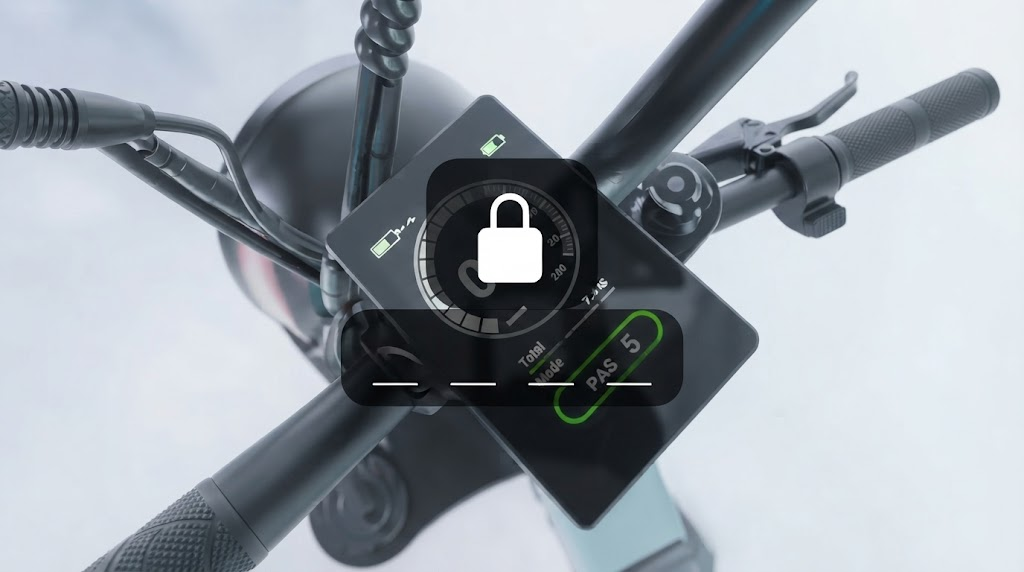

Modern electric mobility products are more and more a combination of mechanical performance and intelligent electronic controls. Smart displays, riding modes, battery management, and digital access settings can help simplify and control day-to-day operation. But electronic security features need to be understood clearly. A start-up password can limit the functionality, but it is not a full anti-theft solution. The Scrambler S Pro has a practical electronic access control function, with a password entered on the display before riding.
Why Electronic Access Control Matters on an Electric Bike
In an electrically assisted vehicle, there are systems that need careful activation. So, if you can keep those who do not have permission from riding the bicycle off the bike and away, it can give you an extra layer of protection on a day-to-day basis. A start-up password provides a simple security measure prior to use of the electronic riding system.
This is not a physical theft prevention strategy. No password is required to lock the bicycle to a railing, wall, or other fixed object. It also does not substitute for a secure parking or appropriate physical lock. Rather, it targets the electronics only, for control.
This is particularly significant for an Electric Fat Bike, as smart technology and physical protection have different functions. The password is used to control access to the bicycle, and locks and cautious parking are used to protect the bicycle. It’s a characteristic of the general “smart-mobility” trend behind Onemile products.
How the Scrambler S Pro Startup Password Works
The Scrambler S Pro features an electronic interface that lets riders set up a start-up password. The password is required to be input into the display once set and will be necessary to operate the bike via its electronic system.
This makes for a simple authorization procedure. The rider communicates with the central display, inputs the necessary data, and controls the bike functions. This way, the system introduces an obstacle to opportunistic or unauthorized use.
But the feature must be described correctly. The password is not for the purpose of physically securing the bicycle, but to control electronic operation of the bicycle. Does not secure the bike to an immovable object or provide theft protection. Riders should consider it one helpful piece of security in a comprehensive security plan.
Password Security Explained Through Practical Riding Scenarios
The startup password becomes most useful when understood through everyday situations:
- Activation Control: Authorized riders must enter the correct password before operating the electronic system.
- Smart Display Integration: The password works through the same LCD-based environment used for important bike controls.
- Shared-Bike Awareness: It can discourage casual operation when another person should not ride the bike.
- Password Management: Riders should choose memorable credentials without making them unnecessarily predictable.
- Physical Security: Electronic access control should always work alongside a suitable lock and secure parking.
- Responsible Protection: Parking duration, visibility, location, and surrounding conditions still influence overall security.
These practical habits help place the technology in the correct context. Smart access can improve control, but responsible ownership remains equally important.
Password Protection Versus Physical Bike Security
Electronic activation control and physical security are different types of security controls dealing with different risks. A startup password can limit access to the bike’s operating system, and a physical lock can keep the bicycle from being easily taken from the parking spot.
A password does not prevent someone from picking up, rolling, loading, or moving an unattended bike. As such, riders should employ suitable physical security when the Scrambler S Pro is in public or unsecured places.
A sensible approach is a combination of multiple layers. It is also operated electronically with a password and features a good lock and secure anchor for the bike to prevent physical removal. Another key layer of protection is making good parking decisions.
The LCD Display as the Bike’s Smart Control Center
The Scrambler S Pro has a full-color, high-definition LCD screen and a 4-inch control environment—useful riding info with the ability to interact with the bike’s electronics all in one place.
The display also links to the PAS system with 5 levels (0 to 5). The interface consolidates key interactions into a single location rather than having multiple controls for important electronic functions.
The start-up password is, of course, part of this system. The display serves as the gateway to the riding information and electronic access for riders. This can make interacting easier without losing the necessary controls that are grouped in one place.
Security Should Work Alongside Battery and Electronic Management
The Scrambler S Pro is equipped with a 998.4Wh (19.2Ah) lithium battery with Samsung cells. It comes with a battery management system (BMS) that enables controlled battery operation and intelligent battery protection.
Battery safety and access security should not be confused. The BMS is all about managing and safeguarding battery operation, performance, and life. The start-up password is mainly used to limit electrical operation to those who are aware of the start-up password.
They both use electronics but for vastly different purposes. One is for energy system management, and the other provides an access-control layer. They illustrate the ability of modern mobility products to combine a number of specialized electronic functions.
Everyday Habits That Strengthen Bike Security
Sensible routines are the best way to use technology. Lock the bike to a secure anchor, if available. The selected parking area will also need to be considered.
It is often found that visible and well-trafficked areas offer better conditions than isolated areas. However, it is also crucial that the startup password remains confidential, especially if several individuals have access to the bike.
Riders should also observe operating instructions and keep documentation of products related to the operation. Onemile is a high-tech mobility solution with a variety of features that allow you to ride safely, but that doesn’t mean that you’re going to be riding responsibly.
What the Password Feature Can—and Cannot—Promise
The startup password has a definite and useful purpose: it prevents the bike from functioning via the electronic system until the right password is keyed in. This will help prevent accidental or unauthorized activation.
Meanwhile, the feature should not be marketed as a guaranteed theft prevention or as a total physical immobilisation. Security relies on a number of factors, including physical security, parking options, sightlines and accountable ownership.
So the password is best used as a smart-mobility add-on to, but not a sole security solution for, the vehicle. With the right lock and some common sense, it can be a part of a more balanced strategy for bike protection.
Conclusion
The startup password provides valuable electronic access control on the daily ride of the Scrambler S Pro. It sets up an authentication requirement prior to the bike’s electronic operation, allowing riders to have more control over who can turn it on.
The difference lies in the understanding of what is meant by the word security versus the word theft prevention. There is a need for physical locks and secure parking in addition to a password that restricts electronic access. In the broader context of modern, smart design for electric mobility, Onemile’s password is one of many features that render the technology more controllable, practical, and intelligently connected.

Leave a Comment