
Key Takeaways
- Start with the exact symptom rather than guessing which part has failed.
- Find the complete model number before comparing replacement components.
- Door, latch, hinge, seal, electrical, and heating problems require extra caution.
- Simple cleaning and visible external checks can help identify minor issues.
- Never remove a microwave cabinet or attempt high-voltage repairs without qualified training.
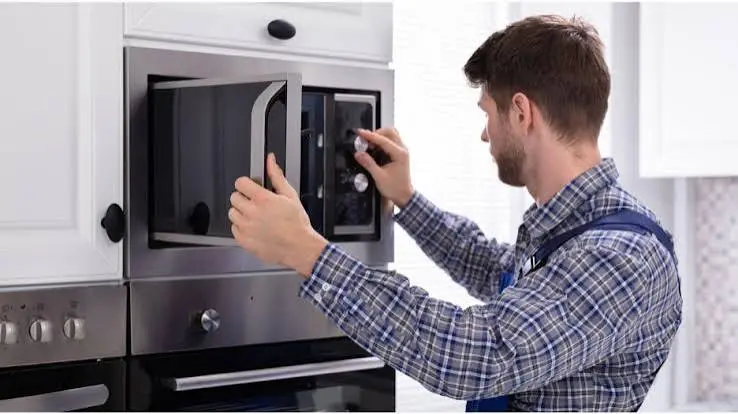
A microwave that makes noise, stops turning, or fails to heat can have several possible causes. The safest and most cost-effective approach is to document the symptom, inspect only accessible areas, and use the appliance model number to confirm any replacement part before ordering.
For model-specific research, Samsung microwave parts are available through Encompass Supply Chain Solutions, LLC, the Lawrenceville, Georgia-based company selected by Samsung to manage its repair-parts ecommerce site. Its microwave parts collection includes model lookup tools, parts categories, diagrams, support options, and genuine OEM replacement components, making it a useful starting point for identifying compatible turntable parts, handles, filters, door parts, or controls.
Start With The Symptom
A symptom narrows the search, but it does not confirm a diagnosis. For example, a microwave that runs without heating may have a heating system fault, while a nonmoving turntable may be due to a misplaced tray, a dirty roller ring, a worn coupler, or a failed motor. Record what happens before looking for a part:
- Does the display turn on and accept commands?
- Does the appliance heat food at all?
- Does the turntable rotate smoothly?
- Are there sparks, smoke, burning odors, or unusually loud buzzing?
- Does the door close, latch, and open normally?
- Do error messages appear on the display?
Know When To Stop Using The Microwave
Stop using the appliance if the door is bent, the latch does not engage, the hinges are damaged, the unit runs with the door open, or there are recurring sparks, smoke, or an electrical smell. The FDA’s microwave oven safety guidance advises consumers to contact the manufacturer when an oven has damage to its door hinges, latches, or seals, or when the door does not open or close properly.
Find The Correct Model Number
The complete model number is more reliable than a brand name or a description such as “over-the-range microwave.” Similar-looking appliances can use different door assemblies, filters, touch panels, glass trays, and switches. Check the label inside the door frame, along the side wall when the door is open, on the rear panel, or in the owner’s manual. Photograph the label so the letters, numbers, and version details are available when comparing parts.
Match Common Faults To Possible Causes
- Microwave runs but food stays cold: The issue may involve internal high-voltage or heating components. Do not open the cabinet to investigate.
- Turntable does not rotate: First check whether the glass tray is seated correctly and whether the roller ring, coupler, or floor area has food buildup or visible damage.
- Door will not close firmly: Inspect for a broken handle, an obstructed latch area, a damaged hinge, or a warped door. Do not continue using the appliance until the problem is resolved.
- Buttons do not respond: Note any error code, try the manual’s recommended reset procedure, and check whether the door is fully closed before assuming the control panel has failed.
- Interior sparks: Stop the cycle immediately. After the oven has cooled and been unplugged, look for metal items, food residue, a damaged waveguide cover, or chipped interior surfaces.
Choose The Right Replacement Part
Compatibility matters more than a low price. Compare the full model number, the manufacturer part number, the part’s location, and the product description. A glass tray may look interchangeable, but it may use a different diameter or drive pattern. Likewise, a door switch, control panel, or filter must match the specific appliance configuration. When available, use parts diagrams and manual illustrations to verify the component before ordering.
Decide What Can Be Done Safely At Home
External care tasks may be appropriate when the manual permits them. Examples include washing a removable glass tray, cleaning the roller ring, replacing a removable grease filter, or installing an exterior handle designed for owner replacement. Unplug the microwave before cleaning or handling removable parts, and allow hot surfaces to cool.
Removing the outer cabinet is different. Internal capacitors, transformers, diodes, magnetrons, wiring, and related components can present serious electrical hazards. The Consumer Product Safety Commission warns about electrocution hazards in do-it-yourself microwave repairs, including risks that can remain after the unit has been unplugged. Leave internal diagnosis and repair to a qualified technician.
Keep Wear And Dirt Under Control
- Wipe spills after the cavity has cooled.
- Clean the glass tray, roller ring, and floor beneath the tray.
- Keep exterior vents free from dust and grease buildup.
- Check the door, handle, latch area, and hinges for visible damage.
- Use cookware identified as microwave-safe and follow the owner’s manual.
Dried food and grease can create odors, interfere with moving parts, and contribute to arcing when residue accumulates in the cooking cavity. Routine care cannot prevent every failure, but it makes performance changes easier to notice early.
Repair Or Replace The Appliance?
Consider the appliance’s age, overall condition, part availability, warranty status, installation type, and repair estimate. A removable tray, filter, roller ring, or handle may be a practical repair. A damaged cavity, a recurring electrical fault, a major heating system problem, or a damaged door assembly deserves professional evaluation before more money is spent.
Common Questions
Can A Microwave Be Used If The Door Is Slightly Bent?
No. Stop using it and seek guidance from the manufacturer or a professional, especially if the door does not close and latch normally.
Why Does A Microwave Run But Not Heat?
Several internal components can cause this symptom. Because identifying them requires access to high-voltage areas, a qualified technician should diagnose the problem.
Can Every Part Of A Microwave Be Replaced At Home?
No. Some removable external parts may be suitable for careful owner replacement, but internal electrical work is not a safe general DIY task.
How Can The Correct Replacement Part Be Found?
Use the complete model number, confirm the part number and placement, and compare the description with the appliance manual or parts diagram.
Safe microwave troubleshooting begins with careful observation, not guesswork. Use the symptom and model number to guide research, keep repairs within safe limits, and prioritize professional help whenever a fault involves the door, heating circuit, internal wiring, or high-voltage components.
Also Read
- why-you-need-a-police-report-after-a-car-accident/
- /steps-to-take-for-comprehensive-fire-damage-restoration/
- /benefits-of-choosing-wood-flooring-for-everyday-living/




Leave a Comment