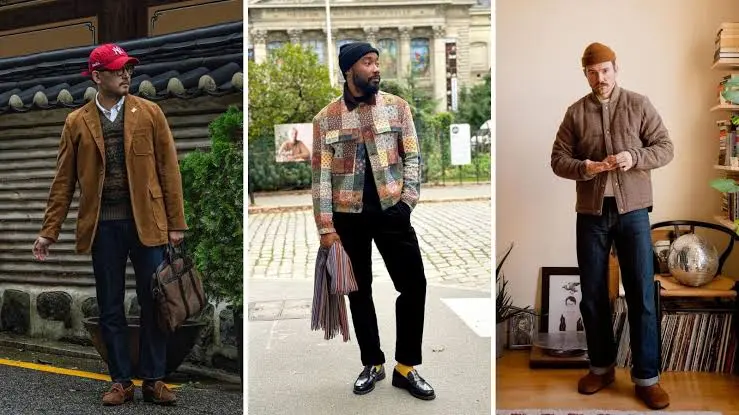

Winter dressing has a reputation for being practical rather than particularly interesting. Heavy coats, thick sweaters and weatherproof boots tend to take priority when temperatures drop, often leaving personal style somewhere beneath three layers of clothing. But cold weather actually presents some of the best opportunities to build a distinctive wardrobe. Rich textures, structured outerwear and carefully chosen accessories can make even straightforward outfits look considered. The trick isn’t buying an entirely new collection of clothes every season. It’s identifying a handful of versatile pieces that work together, offer genuine protection from the cold and make getting dressed considerably more enjoyable.
Start With a Sharper Foundation
A well-dressed winter wardrobe begins with reliable basics that can move between casual and more formal settings. While heavyweight knitwear gets plenty of attention, a properly fitted men’s white dress shirt remains one of the most useful pieces a man can own. It provides a clean foundation beneath wool sweaters, tailored jackets and heavier winter coats without competing with the rest of an outfit.
Fabric makes a noticeable difference during colder months. Oxford cotton offers a substantial feel and relaxed appearance, while a smooth twill shirt works well for office dressing or evening occasions. Pay attention to the collar, shoulder seams and sleeve length rather than relying entirely on the size printed on the label. For a contemporary winter look, wear a white shirt beneath a charcoal crewneck sweater with the collar visible, then finish with tailored trousers and leather boots. It’s an uncomplicated combination that looks polished without appearing overly formal.
Invest in Better Winter Knitwear
Sweaters are essential during winter, but not all knitwear deserves equal space in your closet. A few thoughtfully selected pieces in flattering cuts and dependable fabrics can do more for your wardrobe than an overflowing drawer of inexpensive options. Merino wool is particularly versatile because it offers warmth without excessive bulk, making it comfortable beneath structured outerwear.
Chunkier knits have their place, especially when worn with straight-leg denim or relaxed wool trousers. Cable-knit sweaters bring texture to otherwise simple outfits, while fine-gauge turtlenecks create a sharper silhouette beneath blazers and overcoats. Neutral colors such as navy, oatmeal, charcoal and chocolate brown offer plenty of flexibility, although deep burgundy or forest green can add welcome variety. Consider the proportions of each outfit, keeping heavier sweaters balanced with trousers that have enough structure to complement their volume.
Choose Trousers With More Character
Cold-weather style doesn’t have to revolve around the same pair of dark jeans. Winter provides an opportunity to explore trousers with richer textures, more interesting silhouettes and fabrics suited to lower temperatures. Wool flannel, heavyweight cotton twill and corduroy can add depth to an outfit while offering a comfortable alternative to lightweight chinos.
Pleated trousers have become a particularly useful option for men interested in combining classic tailoring with a relaxed appearance. A slightly wider leg works well with substantial footwear, including leather derbies and rugged boots. Corduroy trousers in olive, tobacco or dark brown pair naturally with knitwear and casual outerwear, creating outfits that feel appropriate for both weekends and informal dinners. Fit remains important, especially around the waist and seat. Choose trousers that allow comfortable movement without creating unnecessary fabric bunching around the ankles.
Give Your Outerwear More Personality
Outerwear is often the first thing people notice about a winter outfit, making it worth choosing carefully. A tailored wool overcoat remains an excellent option for formal occasions, but casual jackets can introduce considerably more personality. Workwear-inspired designs, shearling collars and structured field coats offer alternatives to predictable padded outerwear.
For men interested in a more rugged aesthetic, military style jackets provide a combination of practical detailing and distinctive design. Field jackets with multiple pockets, structured shoulders and adjustable waists work particularly well with denim, knitwear and leather boots. Olive green, navy and brown are versatile choices that complement most winter wardrobes. Look for substantial fabrics, comfortable linings and enough room to accommodate a sweater underneath. A well-chosen jacket should feel purposeful rather than costume-like, with details that contribute to both its appearance and everyday usefulness.
Finish With Accessories That Matter
Winter accessories should do more than protect against cold weather. Scarves, gloves, hats and boots can provide the finishing details that make an otherwise ordinary outfit look complete. A wool scarf in a complementary color adds texture around the face, while leather gloves offer a refined alternative to bulky synthetic styles.
Footwear deserves particular attention because winter conditions can quickly expose the limitations of poorly constructed shoes. Leather boots with dependable traction and weather-resistant finishes can work with everything from denim to tailored trousers. Consider a classic Chelsea boot for smarter outfits and a lace-up design for casual wear. Accessories don’t need to match perfectly, but their colors and materials should feel connected. Choosing fewer, better-quality pieces also makes it easier to create combinations that remain appealing throughout the season.
The strongest winter wardrobes combine practical warmth with thoughtful personal style. By focusing on dependable basics, interesting textures and versatile outerwear, men can create outfits that look good without requiring constant purchases. A few carefully chosen upgrades can make cold-weather dressing one of the most enjoyable parts of the year.







Leave a Comment