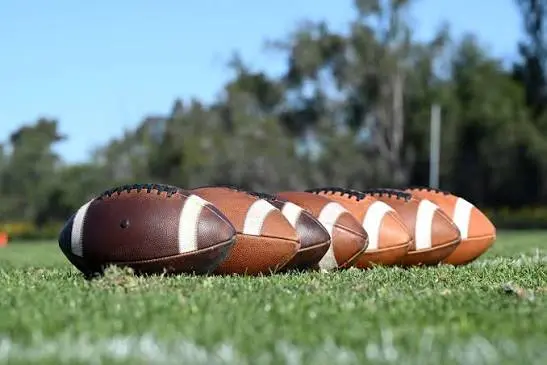

High school football remains one of America’s most recognizable community traditions, bringing families, students and alumni together under stadium lights each fall. Yet behind the excitement of Friday night games, schools face growing challenges involving athletic safety, participation costs, coaching resources and the expectations placed on young athletes. For many communities, maintaining a successful football program now requires considerably more than assembling a competitive team. It means finding ways to make the sport accessible, financially sustainable and rewarding for students with different athletic ambitions.
Protecting Players Beyond the Helmet
High school football programs must address injuries that can occur during practices and games, including dental trauma, fractures, sprains and concussions. While helmets and shoulder pads receive considerable attention, smaller protective items also serve specific purposes.
A properly fitted football mouth guard helps protect teeth and surrounding oral tissues from injuries caused by collisions or accidental contact. Players can choose from ready-made, boil-and-bite and custom-fitted options, although comfort and retention vary considerably. An effective fit allows an athlete to breathe and communicate without repeatedly adjusting the device. Despite occasional claims about additional benefits, oral protection should not be mistaken for a proven method of preventing concussions.
Safety also depends on how schools organize practices. Limiting unnecessary contact, teaching proper tackling techniques and allowing sufficient recovery between demanding sessions can reduce avoidable physical strain. Coaches who recognize possible concussion symptoms and remove affected athletes from participation help ensure that medical evaluations take priority over the immediate demands of competition.
The Financial Burden on Schools
Operating a high school football program involves expenses that extend well beyond purchasing balls and maintaining a playing field. Schools may need to fund equipment replacement, transportation, officials, coaching positions, medical coverage and facility maintenance. These obligations can place considerable pressure on athletic departments with limited budgets.
Football equipment presents a particularly complicated expense because protective items require appropriate fitting, inspection and replacement when damaged or no longer serviceable. Schools cannot assume that equipment remains suitable indefinitely simply because it appears intact. Manufacturer recommendations and applicable athletic regulations help determine maintenance and replacement decisions.
Fundraising organizations and community sponsors frequently help cover expenses that school budgets cannot accommodate. However, reliance on outside contributions can create differences between programs in affluent communities and those serving families with fewer financial resources. Those disparities may affect access to training facilities, transportation and athletic support services, even when schools compete under similar rules.
Team Identity Extends Beyond Performance
High school football teams often serve as recognizable symbols of their communities. School colors, mascots and longstanding rivalries help establish traditions that connect current students with generations of former players and supporters.
That identity is reflected in sports uniforms, which must balance school branding with practical considerations such as durability, fit and compatibility with protective equipment. Football jerseys need enough flexibility to accommodate shoulder pads without excessively restricting movement, while pants must securely hold the required padding. Schools also need to consider replacement availability when ordering designs that may be used for several seasons.
Uniform choices can carry financial consequences as well. Custom designs, additional color combinations and frequent redesigns increase purchasing demands, particularly when teams must outfit large rosters. Programs working within tighter budgets may prioritize consistent designs and durable materials over elaborate customization.
For students, wearing school colors can also create a sense of belonging. That connection extends to marching bands, cheerleading squads and classmates who participate in the wider game-day experience.
Participation Requires More Than Athletic Talent
Students interested in playing football do not always have equal opportunities to participate. Transportation limitations, family schedules, equipment expenses and concerns about injuries can influence whether an athlete joins a team or remains involved throughout high school.
The time commitment can be substantial. Practices, strength training, film sessions and games must fit around academic responsibilities, part-time employment and family obligations. Students who hope to compete in college face additional demands involving recruiting communication, academic eligibility and the evaluation of athletic opportunities.
Coaches can help by establishing realistic expectations and communicating schedules well in advance. Schools that provide equipment, offer transportation assistance where possible and explain participation requirements clearly can remove barriers that have little to do with athletic ability.
Participation also benefits from a team culture that recognizes different contributions. Not every athlete will become a starting quarterback or receive college recruiting attention, but developmental opportunities and meaningful coaching can give students reasons to remain involved.
Community Support Shapes Football’s Future
High school football’s influence often extends into local businesses and civic organizations. Home games can bring customers to nearby restaurants and stores, while booster clubs, volunteers and alumni networks help sustain programs through fundraising and practical support.
These relationships work best when community enthusiasm does not overshadow student welfare. Winning records and championship aspirations may attract attention, but schools must also evaluate whether their programs provide appropriate supervision, academic support and reasonable expectations for young athletes.
Also Read
- https://grammerway.com/how-to-make-better-financial-decisions/
https://grammerway.com/maximizing-returns-through-strategic-commercial-property-investment/
https://grammerway.com/exploring-the-bachelor-in-science-at-james-cook-university-your-pathway-to-a-scientific-career/







Leave a Comment