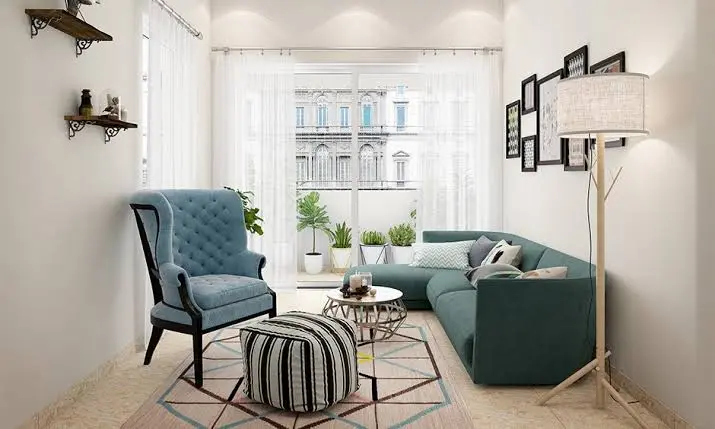

Moving into a new home or apartment brings the excitement of a fresh start, but decorating can feel overwhelming when money is already stretched thin. After paying moving expenses, deposits and utility bills, there may be little left for furniture and finishing touches. Fortunately, creating a comfortable, attractive living space doesn’t require purchasing everything at once. With flexible payment options, thoughtful shopping and a little creativity, it’s possible to furnish your home without sacrificing your personal style. The secret is knowing where to spend, what to prioritize and which inexpensive changes can make an ordinary room feel inviting.
Furnish Your Home With Flexible Payments
Furniture often represents the largest decorating expense, particularly when you’re starting with an empty living room or replacing pieces that didn’t survive the move. Lease-to-own programs offer an accessible way to bring home essential furnishings while spreading payments over time. Whether you’re looking for a lease to own sofa, TV or coffee table, these arrangements allow you to enjoy your purchases immediately rather than waiting until you’ve saved the entire amount.
Many providers offer a selection of furniture styles, sizes and finishes, making it easier to find pieces that complement your space. Flexible payment schedules can also help you coordinate purchases with your household budget. Some programs feature early purchase options, allowing customers to complete ownership sooner when finances permit. Prioritize items you’ll use every day, such as comfortable seating or a practical dining table, before adding decorative furniture. Choosing versatile pieces helps establish a functional foundation for the rest of your home.
Shop Secondhand for Unique Finds
Secondhand shopping is one of the easiest ways to furnish a home with personality while keeping expenses manageable. Thrift stores, estate sales, neighborhood resale groups and online marketplaces often feature furniture and accessories at prices considerably below those of traditional retailers. Solid wood side tables, vintage mirrors and decorative shelving can add character without requiring a major investment.
Look beyond an item’s current appearance and consider its potential. A scratched wooden table might need only light sanding and a fresh coat of paint, while outdated drawer pulls can be replaced with inexpensive hardware. Measure your rooms and doorways before purchasing larger pieces, and inspect upholstered furniture carefully for damage or pests. Shopping with a general color palette in mind can help different secondhand finds look intentional together. The result is a home that reflects your taste rather than a showroom display.
Use Textiles to Transform Rooms
You don’t need to replace major furniture pieces to change the appearance of a room. Textiles provide an affordable way to introduce color, texture and warmth, especially in spaces with neutral walls or basic furnishings. Throw pillows, curtains, area rugs and blankets can make a living room or bedroom feel more finished without requiring permanent changes.
Start with a simple color scheme featuring two or three complementary shades. For example, cream curtains, a muted green throw and patterned cushions can create a cohesive look around an existing sofa. In bedrooms, fresh bedding and an inexpensive accent pillow may be enough to refresh the entire space. Consider washable fabrics for frequently used rooms, particularly in households with children or pets. Discount home stores and seasonal clearance sales can make these updates even more affordable.
Refresh Your Space With Lighting
Lighting has a major influence on how a home looks and feels, yet it’s often overlooked when decorating on a budget. A room with harsh overhead lighting can feel completely different when softer light comes from a table lamp or floor lamp. Fortunately, experimenting with popular lighting trends doesn’t require expensive fixtures or electrical renovations.
Warm-toned bulbs, portable lamps and rechargeable accent lights offer affordable ways to create a welcoming atmosphere. Try placing a small lamp beside your favorite reading chair or using battery-operated picture lights to highlight artwork. In bedrooms, bedside lamps can provide softer illumination than a single ceiling fixture. Natural light matters, too, so consider lightweight curtains that allow sunlight to filter through during the day. Combining different light sources makes rooms feel more comfortable while allowing you to adjust the atmosphere for relaxing, entertaining or working.
Decorate With Personal, Affordable Details
The finishing touches are often what make a new space feel like home. Family photographs, favorite books, framed prints and meaningful keepsakes can create a welcoming atmosphere without requiring expensive accessories. Rather than filling every shelf immediately, begin with items you already own and gradually add pieces that reflect your interests.
Printable artwork paired with inexpensive frames can create an attractive gallery wall, while small plants bring color and texture to shelves and windowsills. Decorative baskets offer storage for blankets, toys and everyday clutter. Rearranging existing belongings can also make familiar items feel new. Group accessories in different heights and textures, leaving enough open space to prevent rooms from appearing crowded. Taking your time allows your home’s personality to develop naturally as you discover what works best.
Create a Home You Love
Decorating on a limited budget doesn’t mean giving up comfort or style. Flexible purchasing options, secondhand discoveries and affordable decorative updates can help you create a home that feels welcoming from the beginning. Focus on the essentials, enjoy the process and build a space that reflects the life you’re creating there.
Also Read
- https://grammerway.com/how-to-make-better-financial-decisions/
https://grammerway.com/maximizing-returns-through-strategic-commercial-property-investment/
https://grammerway.com/exploring-the-bachelor-in-science-at-james-cook-university-your-pathway-to-a-scientific-career/







Leave a Comment