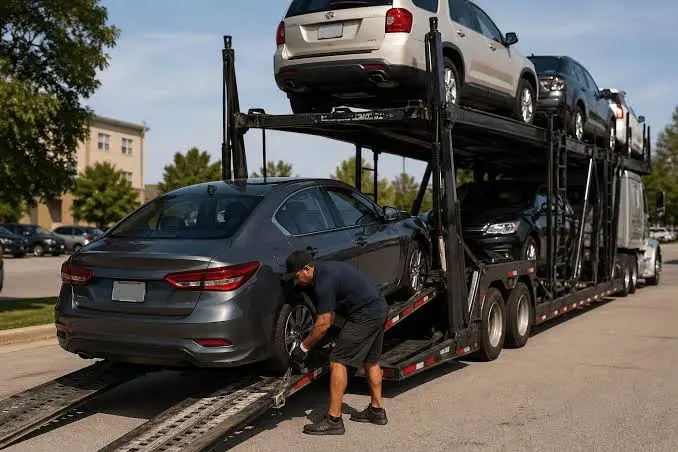

Two cars, one available driver, and a reporting date that will not wait: that is enough to complicate a permanent change of station, or PCS. Whether your move involves Fort Campbell or Fort Knox, the vehicle you cannot drive needs a plan before the moving truck arrives. Start by deciding when you can give up the car, who can handle its departure, and how you will get around until delivery.
Decide Which Vehicle Should Travel With You
If both cars run, compare their roles during the move. One may be better suited to children, pets, and luggage, while the other can leave earlier. Consider who needs transportation during final appointments and who will need a vehicle first at the destination.
If the car cannot be driven because of a mechanical problem, describe that clearly when requesting transport. Report whether it rolls, steers, and brakes, and disclose missing keys or damage that could affect loading. An accurate description helps avoid sending equipment that cannot handle the job.
Resolve the Payment Question Before Booking
Contact your installation transportation office to review the arrangements available under your orders. Ask specifically about vehicle shipping, any required authorization, and documentation you should retain. A commercial quote does not establish eligibility for government payment or reimbursement.
For a privately funded shipment, budget beyond the transport charge. Include rides to the handoff location and temporary transportation after arrival. Request written cancellation and rescheduling terms, particularly if your departure date or housing arrangements remain unsettled.
Request a Quote for the Actual Journey
Use complete pickup and delivery addresses whenever possible. “Near Fort Knox” or “Fort Campbell housing” is a starting point, but the coordinator needs enough detail to assess access and route the shipment.
Families comparing regional services can consult Navi’s Kentucky auto transport guide before requesting an estimate. Provide the vehicle’s year, make, model, operating condition, and realistic availability. If the final address is unknown, ask how changing it later could affect the price and delivery arrangements.
Build a Backup Into Each Handoff
Military appointments, flights, and household-goods deliveries may compete for the same hours. Identify a trusted person who could release or receive the vehicle, then confirm the transporter’s authorization requirements.
For an on-post address, check current access procedures with the installation and discuss them with the carrier. If an alternative location is needed, agree on a permitted loading area and how you will reach it. Do not assume a visitor parking area or installation entrance is suitable.
Keep these questions on your booking checklist:
- Is the pickup date confirmed or part of an estimated window?
- How will schedule updates reach you during travel?
- Who can act if you are unavailable?
- What happens if your destination or orders change?
Pack for Arrival Without Depending on the Car
Carry identification, orders, medication, chargers, and first-day essentials with you. Ask about the personal-belongings policy before leaving boxes inside the vehicle. Follow the carrier’s preparation instructions and arrange clear photographs of the car before collection.
At delivery, compare its condition with the pickup record and document any differences before completing the paperwork. Keep receipts and handoff records together. With a backup commute and accessible essentials, you can focus on settling in even when the family, furniture, and second car arrive separately.
Also Read
- https://grammerway.com/is-chiropractic-care-effective-for-back-pain-what-to-know-before-your-first-visit/
https://grammerway.com/5-signs-its-time-to-build-a-custom-home-instead-of-buying/
https://grammerway.com/top-8-billing-platforms-for-orthotics-and-prosthetics-providers/






Leave a Comment