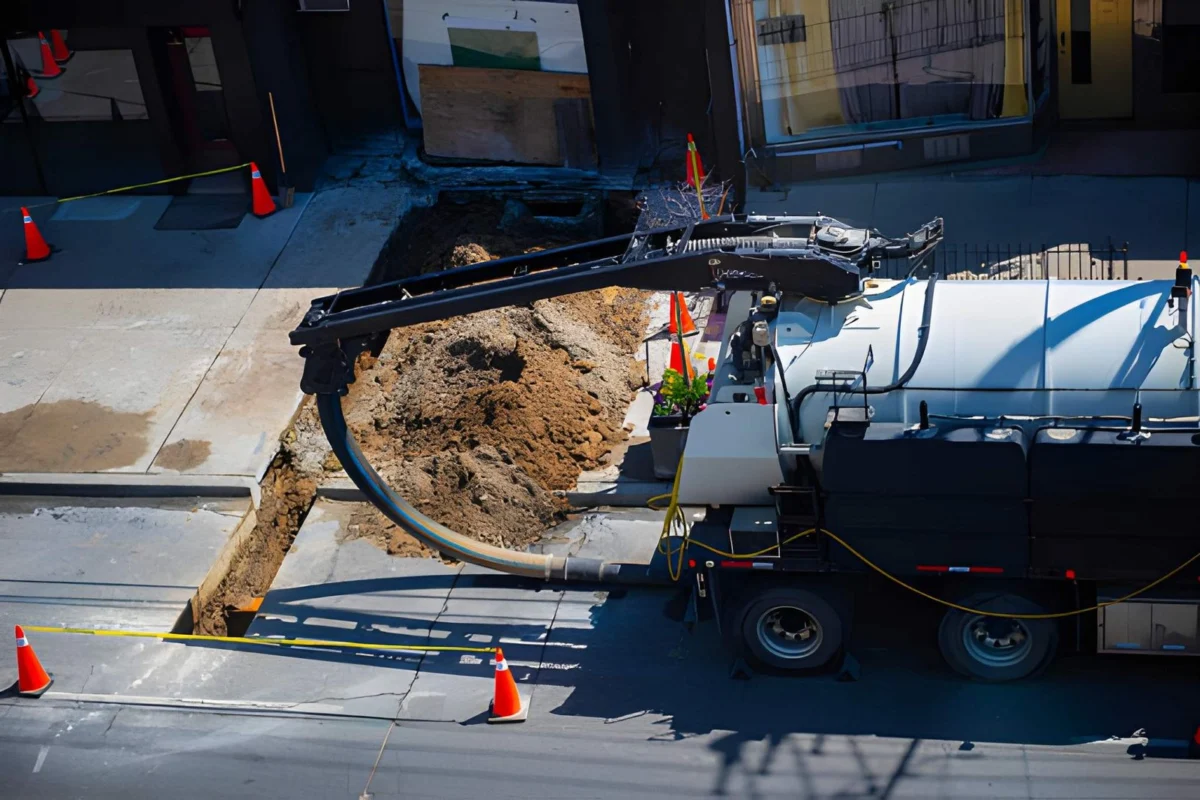

Vacuum excavation has emerged as a pioneering technique in the field of civil construction and maintenance, particularly in urban environments like Sydney. This method offers a safer and more efficient alternative to traditional excavation practices. The adoption of vacuum excavation in Sydney is rapidly increasing due to its significant benefits in reducing risks and enhancing precision.
Understanding Vacuum Excavation
Vacuum excavation involves the use of high-powered vacuum systems to remove debris and soil without disturbing underlying utilities or infrastructure. The equipment uses a combination of air or water pressure and suction to expose underground assets carefully. This technique mitigates the dangers commonly associated with conventional digging, such as striking gas lines, cables, or water pipes.
Techniques of Vacuum Excavation
Two primary methods are utilised in vacuum excavation: air excavation and hydro excavation. Air excavation uses compressed air to loosen soil, which is then sucked into the vacuum system, while hydro excavation employs pressurised water for soil removal. Both methods offer controlled excavation, minimising surface disruption and enhancing overall site safety.
Safety Advantages
The foremost advantage of vacuum excavation is the significant improvement in safety standards. By precisely exposing underground utilities before any heavy machinery is employed, the method drastically reduces the likelihood of accidental damage. This heightened safety is critical in densely populated areas such as Sydney where infrastructure is complex and closely situated.
Efficiency in Urban Projects
Efficiency is a crucial consideration in urban construction projects. Vacuum excavation allows for faster site preparation and reduces the need for extensive manual labour. The clean and precise nature of this excavation method means that restoration times are shortened, leading to less disruption for local communities and businesses.
Environmental Benefits
Vacuum excavation is environmentally friendly compared to traditional excavation techniques. It reduces soil displacement and erosion, minimising the impact on the surrounding landscape. Additionally, the technique allows for selective excavation which conserves natural resources and reduces waste generation.
Applications of Vacuum Excavation in Sydney
Sydney’s infrastructure demands versatile excavation solutions. Vacuum excavation is widely applied in various sectors, including telecommunications, utilities installation and maintenance, roadworks, and landscaping. Its precision makes it ideal for sensitive sites requiring minimal disruption.
Equipment and Technology
The success of vacuum excavation depends heavily on the modern equipment deployed. The latest vacuum excavation units incorporate advanced suction technology, powerful air compressors, and sophisticated control systems to optimise performance. Continuous innovation in this field promises even greater efficiency and safety in future operations.
Cost Considerations
Although vacuum excavation may have a higher upfront cost compared to traditional methods, it generally results in lower overall project costs. This reduction is due to fewer damages, decreased downtime, and reduced need for site restoration. Therefore, it is a cost-effective choice in the medium to long term.
Training and Expertise
Successful implementation of vacuum excavation requires skilled operators and thorough training. Professional contractors in Sydney invest significantly in training to ensure that teams understand the complexities of underground infrastructure and operate equipment safely and efficiently.
Compliance and Regulations
Vacuum excavation aligns well with local and national safety and environmental regulations. Contractors must adhere to these guidelines to maintain compliance and uphold industry standards. This commitment to regulatory adherence ensures projects proceed smoothly and responsibly.
Future Trends in Vacuum Excavation
Looking ahead, vacuum excavation technology will continue to evolve. Integration with digital mapping, improved sensor technology, and automation are anticipated advancements. These innovations will further boost accuracy and safety, solidifying vacuum excavation’s role as the future standard in excavation practices.
Case Studies in Sydney
Several successful projects in Sydney demonstrate the efficacy of vacuum excavation. From utility repairs to complex infrastructure upgrades, this method has proven its value in reducing project risks and enhancing operational efficiency.
Environmental Responsibility
By adopting vacuum excavation, companies in Sydney contribute to sustainable development goals. This method supports responsible resource management and minimises construction-related environmental stresses.
Conclusion
Vacuum excavation represents a significant advancement in excavation technology, particularly within urban environments like Sydney. Its benefits in safety, efficiency, environmental impact, and cost-effectiveness make it the preferred choice for modern civil engineering projects. As technology advances and industry adoption grows, vacuum excavation is poised to become the cornerstone of safe and efficient digging practices.
Read more: When Does a Broken Bone Injury After a Slip and Fall Lead to a Legal Claim?
What Rights Does a Spouse Have After Wrongful Death in Salt Lake City, UT?
Important Legal Considerations in Workplace Sexual Assault Cases

Leave a Comment