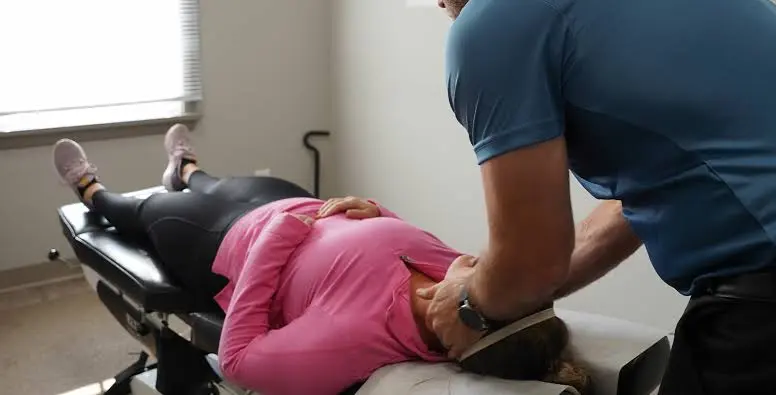

Back pain is one of the most common reasons adults seek any kind of medical care, and it’s also one of the conditions where treatment advice varies the most depending on who’s giving it. For people considering chiropractic care for the first time, the underlying question is usually straightforward: does this actually work, or is it worth trying something else first?
What the Research Actually Shows
According to the National Center for Complementary and Integrative Health (part of the National Institutes of Health), spinal manipulation — the core technique used in chiropractic care — has been found to provide modest short-term relief for acute low back pain, with effectiveness roughly comparable to other conservative treatments like physical therapy or over-the-counter pain medication. The evidence is weaker and more mixed for chronic pain and for conditions outside the spine, such as headaches or joint pain, where results vary more by individual case.
This puts chiropractic care in a reasonable middle ground: not a guaranteed cure, but a legitimate, evidence-supported option for a specific and common problem — acute mechanical low back pain — rather than a treatment for every type of pain.
What a First Visit Typically Involves
Unlike a quick adjustment people sometimes picture, an initial chiropractic visit usually starts with a full intake: medical history, a physical exam, and sometimes imaging if the chiropractor suspects something beyond routine muscular or joint strain. This step matters because chiropractic care isn’t appropriate for every cause of back pain — conditions like fractures, infections, or certain nerve issues require different treatment entirely, and a thorough initial exam is how that gets ruled out.
How Many Visits Are Typically Needed
There’s no universal number, but for acute low back pain, treatment plans often run somewhere between a few visits and several weeks, with many patients reporting noticeable improvement within the first two to four sessions. Chronic conditions typically require a longer, more individualized plan, and a chiropractor who proposes an extended, rigid treatment schedule at the very first visit — before assessing how the patient responds to initial care — is worth a second opinion.
What to Look for in a Provider
A few practical signs tend to separate a well-run practice from one worth avoiding:
- A clear diagnosis before treatment, rather than jumping straight to adjustments.
- Willingness to refer out to a physical therapist, orthopedist, or physician if symptoms don’t align with what chiropractic care typically resolves.
- Reasonable, evidence-based treatment plans, rather than open-ended packages sold in bulk before any results are shown.
Local practices can vary in how they structure evaluations and treatment plans, so it can help to look at how a specific office describes its approach — for example, the page for Dr. Michael Crampton at NuSpine Chiropractic, a chiropractor chandler residents might visit, outlines a typical intake and treatment process, which gives a useful sense of what to expect before booking.
When Chiropractic Care Isn’t the Right Fit
Chiropractic treatment isn’t recommended for everyone. People with severe osteoporosis, spinal cord compression, certain inflammatory conditions, or recent spinal surgery are generally advised to avoid manipulation without direct medical clearance. Anyone with numbness, weakness, or loss of bladder or bowel control alongside back pain should see a physician promptly rather than starting with chiropractic care, since those symptoms can indicate a more serious underlying issue.
The Bottom Line
For acute, mechanical low back pain, chiropractic care has reasonable evidence behind it and is a legitimate option to consider alongside physical therapy or conservative medical treatment. It’s less well-supported for chronic pain or conditions outside the spine, which is why an honest initial evaluation — and a provider willing to say when chiropractic care isn’t the answer — matters more than the number of adjustments offered.
Sources: National Center for Complementary and Integrative Health, National Institutes of Health (nccih.nih.gov)
Also Read-Restoration Techniques That Bring Log Cabins Back to Life







Leave a Comment