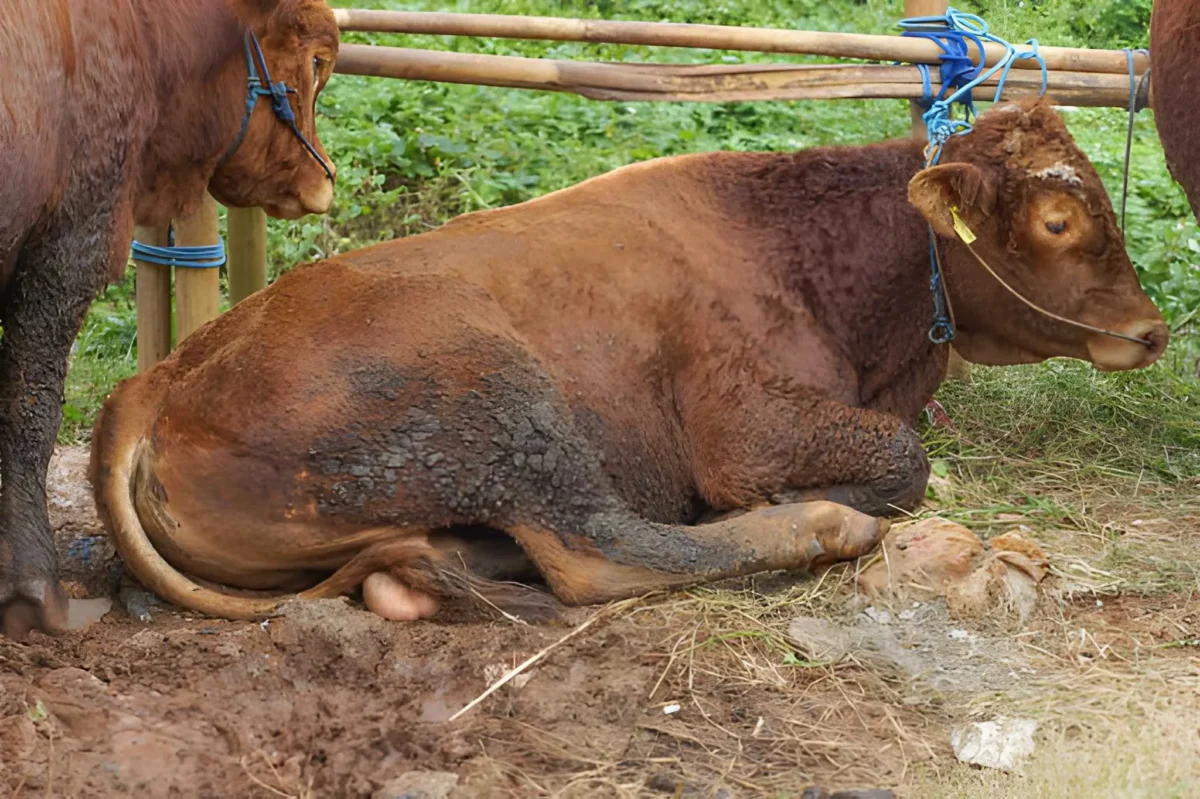

Maintaining a healthy herd requires more than providing adequate food, water, and shelter. Cattle can develop a variety of health concerns that affect their comfort, productivity, and overall well-being, sometimes before obvious symptoms become apparent. Farmers who understand common warning signs are better prepared to recognize changes and seek appropriate veterinary assistance. Although routine observation cannot prevent every illness, early identification of potential problems can improve management decisions and reduce the likelihood that treatable conditions will become more serious.
Recognizing Eye Irritation and Other Vision-Related Problems
Eye problems are among the health concerns cattle owners should learn to recognize. Excessive tearing, squinting, redness, cloudiness, and sensitivity to light may indicate irritation, injury, or disease. Cattle experiencing eye discomfort may keep one eye partially closed or show unusual behavior when exposed to bright conditions. These signs warrant attention because some eye conditions can progress rapidly and threaten vision.
Infectious bovine keratoconjunctivitis, commonly called pink eye, is one condition that can affect cattle in different environments. Pink eye spray in cattle offers critical antimicrobial eye-cleansing solutions to flush irritants and help relieve certain symptoms. However, these products should not be considered a substitute for veterinary diagnosis or appropriate treatment when an animal has an infection or corneal damage. A veterinarian can help determine whether additional treatment is necessary and advise on managing affected animals.
Understanding Respiratory Illness in Cattle
Respiratory disease represents another important health concern, particularly in young cattle and animals experiencing stressful transitions. Transportation concerns, changes in housing, mixing unfamiliar animals, and certain environmental conditions can increase susceptibility to illness. Respiratory problems may involve combinations of infectious agents and other contributing factors rather than a single simple cause. Recognizing early symptoms allows farmers to seek veterinary advice before affected cattle experience more severe complications.
Common warning signs include coughing, nasal discharge, rapid breathing, reduced appetite, and unusual inactivity. Some animals develop a fever, while others may separate themselves from the herd or show less interest in feed. These changes can be subtle during the early stages of illness, especially when cattle are observed only briefly. Consistent daily monitoring makes it easier to identify animals whose behavior differs from their normal patterns.
Identifying Hoof and Mobility Concerns
Cattle depend on healthy hooves and comfortable movement to reach feed, water, and appropriate resting areas. Lameness can reduce mobility and may interfere with normal feeding or social behavior. Problems affecting the feet may develop gradually, making them less obvious during casual observation. Farmers who regularly watch cattle walk can identify changes before severe movement difficulties develop.
An animal experiencing discomfort may favor one leg, take shorter steps, stand unevenly, or hesitate when walking across certain surfaces. These signs can result from several causes, including hoof injuries, infections, joint problems, or conditions affecting the surrounding tissues. Because different causes require different treatments, identifying the underlying problem is essential. Persistent lameness should be evaluated promptly rather than managed through guesswork.
Watching for Digestive and Nutritional Warning Signs
Digestive health is closely connected to cattle nutrition and overall management. As ruminants, cattle depend on a specialized digestive system that uses microbial fermentation to process feed. Sudden dietary changes or imbalanced rations can disrupt normal digestive function. Farmers should understand that feeding practices affect not only weight and productivity but also the risk of certain health problems.
Changes in appetite, abnormal manure, abdominal discomfort, and unusual behavior may indicate digestive concerns. Some conditions, including severe bloat, can become life-threatening and require immediate veterinary attention. Farmers should recognize signs such as pronounced abdominal distension, distress, and difficulty breathing as reasons to seek urgent assistance. Waiting to see whether serious symptoms resolve on their own can place an animal at unnecessary risk.
Managing Parasites and Environmental Health Risks
Internal and external parasites can affect cattle health in ways that are not always immediately obvious. Depending on the parasite involved, affected animals may experience reduced weight gain, changes in coat condition, irritation, or other clinical symptoms. The level of risk varies with climate, grazing practices, herd demographics, and regional parasite populations. Effective management therefore requires an understanding of local conditions rather than relying on a universal treatment schedule.
External parasites such as flies and ticks can cause discomfort and may contribute to the transmission of certain diseases. Internal parasites may interfere with nutrition or damage tissues when infections become significant. However, unnecessary or poorly targeted parasite treatments can contribute to drug resistance and additional management problems. Veterinarians can recommend appropriate testing, treatment, and prevention strategies based on the herd’s specific circumstances.
Also Read
- Sydney’s ageing infrastructure: why older homes need urgent plumbing inspections
- Finding Hope and Healing with a Clinical Psychologist in Melbourne
- The Ultimate Guide to Building Inspection: Ensuring Your Property’s Safety and Value







Leave a Comment