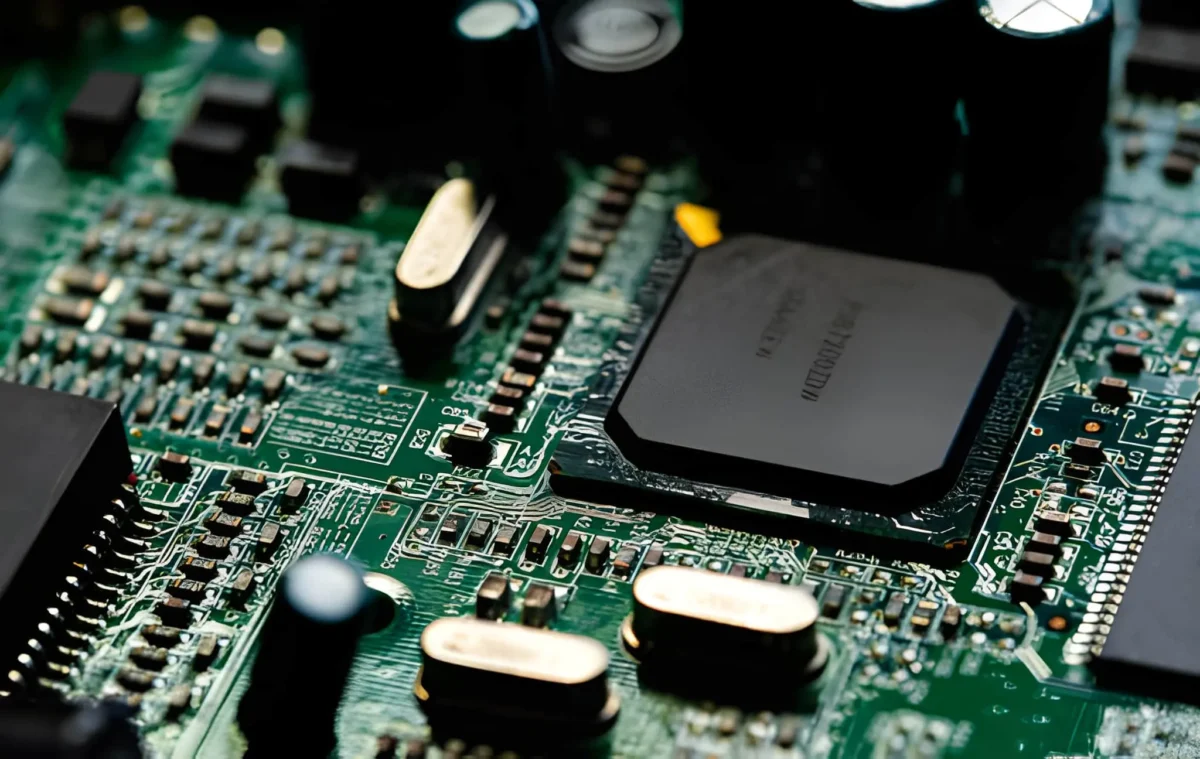

Modern electronics have become so dependable that most people rarely consider what happens beneath their screens and buttons. From smartphones and smart home devices to fitness trackers and household appliances, technology is expected to work consistently without requiring much attention. However, the reliability of these products depends on more than sophisticated processors or advanced software. A collection of small, carefully designed components works behind the scenes to regulate power, manage heat, coordinate communication, and protect sensitive circuitry from disruptions.
Why Stable Power Is Essential to Electronic Performance
Every electronic device needs a dependable supply of electricity to operate correctly. Different components often require different voltage levels, and even relatively small fluctuations can interfere with sensitive circuits. For example, a processor, wireless communication module, and sensor may each operate under different electrical requirements despite sharing the same power source. Engineers must carefully manage these requirements to prevent unnecessary performance problems and potential component damage.
One important part of this process involves voltage regulators, which maintain appropriate electrical levels throughout a device. Components such as LDO linear regulators help deliver stable output voltage, even when the available input voltage changes within their operating range. These low-dropout regulators are particularly useful in applications requiring relatively low electrical noise, including precision sensors, wireless communication circuits, and certain battery-powered electronics. Their effectiveness depends on selecting appropriate components for the voltage, current, thermal, and efficiency requirements of the design.
The Role of Circuit Design in Long-Term Dependability
Electronic reliability begins long before a product reaches a store shelf. Engineers develop circuit layouts that determine how electricity moves between components and how signals travel throughout the system. Poorly planned layouts can introduce electrical interference, excessive heat, and problems that become apparent only during demanding operating conditions. Effective designs account for these risks while balancing available space, manufacturing costs, and performance requirements.
Circuit boards contain conductive pathways that connect processors, memory, sensors, and numerous supporting components. The placement of these elements matters because electrical signals can be affected by the distance they travel and their proximity to other circuits. Designers frequently separate particularly sensitive signals from sources of interference and use grounding techniques to improve overall electrical stability. These decisions may be nearly invisible to consumers, but they can strongly influence how consistently a product performs.
How Temperature Affects Electronic Devices
Heat is a natural consequence of electrical activity, but excessive temperatures can interfere with electronic performance. Components generate heat as they consume power, and compact products often have limited space for dissipating it. When internal temperatures become too high, some devices automatically reduce performance or shut down to protect sensitive hardware. Users may experience these protective responses as slower operation, interrupted applications, or unexpected restarts.
Thermal management involves much more than installing a cooling fan. Engineers may use heat sinks, conductive materials, carefully positioned components, and ventilation pathways to move heat away from vulnerable areas. In smaller devices, materials and internal arrangements become particularly important because active cooling systems may be impractical. Effective cooling strategies must also account for normal usage conditions and not just ideal laboratory environments.
Why Supporting Components Deserve More Attention
Powerful processors often receive most of the attention when new electronics are introduced. Manufacturers advertise processing speeds, graphics capabilities, and increasingly sophisticated artificial intelligence features to distinguish their products. However, even an advanced processor depends on numerous supporting components to communicate with other systems and operate within safe electrical limits. The overall design matters just as much as the capabilities of its most recognizable parts.
Capacitors, for example, help store electrical charge and smooth certain fluctuations in power delivery. Resistors control current and establish electrical conditions within circuits, while sensors collect information about movement, temperature, light, and other environmental factors. Communication components allow devices to exchange information over wireless networks or physical connections. Each performs a specific role, and dependable operation requires these elements to work together.
The Importance of Testing Before Products Reach Consumers
Electronic products must operate under conditions that may be difficult to reproduce during ordinary development. A device might function perfectly during a short demonstration but develop problems after prolonged use, repeated charging, or exposure to changing temperatures. Manufacturers therefore conduct different types of testing to evaluate whether products meet their intended performance and safety requirements. These evaluations help identify weaknesses before large numbers of customers encounter them.
Environmental testing may expose devices to temperature changes, humidity, vibration, or other conditions relevant to their intended applications. Electrical testing evaluates issues such as power stability, component tolerances, and the ability to withstand certain disturbances. Engineers may also conduct accelerated aging tests to estimate how materials and components behave over extended periods. Although no testing process can guarantee that every product will remain trouble-free, thorough evaluation can significantly reduce avoidable problems.
Also Read
- https://grammerway.com/discover-the-leading-skin-clinic-in-sydney-for-advanced-skincare-solutions/
- https://grammerway.com/modern-muscle-cars-as-daily-drivers-in-orlando-florida-power-meets-practicality/







Leave a Comment