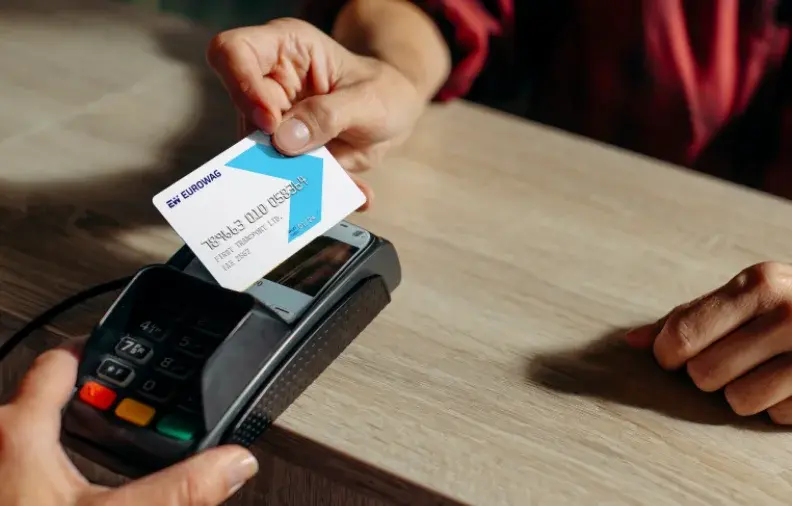

Business fuel cards and business credit cards can both pay for gasoline or diesel. That shared function can make the comparison seem simple. It is not. The two tools may differ in where they are accepted, how purchases are restricted, the level of transaction detail available, billing terms, rewards, and the way employee spending is administered. Branded cards such as Valero fleet fuel card programs sit on the fuel-card side of that comparison.
The useful choice starts with the work the payment tool must do. A company that wants broad purchasing flexibility for travel may value a general business credit card. A company that wants to connect recurring vehicle purchases with driver permissions, location controls, and fuel reporting may value a specialized fuel-card program. Some businesses use both, but only after setting clear rules for when each is appropriate. A fleet card such as the Exxon Mobil fleet card for business is one example of a tool built for those recurring vehicle purchases.
The Federal Reserve’s 2024 Small Business Credit Survey found that 59% of employer firms applied for financing in 2023. That statistic does not tell a business which card to select. It does show why payment terms, credit decisions, and cash-flow planning deserve attention instead of being treated as an afterthought to a rewards offer.
Compare the intended purchase categories
Start with a purchase inventory. List what the company expects employees to buy with a business payment tool: fuel, vehicle fluids, parking, tolls, lodging, tools, meals, office supplies, emergency repairs, or other items. Then decide whether those purchases need the same controls and review process.
A general business credit card may be well suited to varied travel and operating purchases. A fuel card can be better suited to a narrow recurring category where a company wants product restrictions, vehicle details, or station-level visibility. Using a broad card for every fuel purchase may create a statement that is easy to pay but difficult to analyze. Using a fuel card for every incidental travel expense can create unnecessary friction.
The answer can differ by employee role. A field technician with an assigned vehicle may use a fuel card for routine purchases and a separate approved method for occasional travel. A manager who travels by air and rents vehicles may need a different policy. Document the distinction so employees do not choose a payment method based only on what is convenient at the moment.
Evaluate acceptance in the places work occurs
General-purpose business credit cards are often accepted widely. Fuel-card networks may offer different station coverage, product restrictions, and commercial-fleet features. Neither fact is automatically an advantage. The business needs to evaluate acceptance against its own locations and routes.
The Federal Highway Administration reported 3.3 trillion vehicle-miles of travel on U.S. public roads in 2024. For an individual company, the relevant number is much smaller but equally concrete: where its vehicles actually travel. Build a route sample and test the candidate program at the stations that serve ordinary work, predictable out-of-area assignments, and after-hours needs.
Do not compare acceptance only by counting locations. Check vehicle access, fuel type, hours, pump layout, and receipt detail. A location that accepts the card but cannot accommodate a trailer or does not provide the expected transaction data is not a complete fit.
Look beyond rewards to controls and data
Rewards can reduce the effective cost of a purchase, but they should not hide a control gap. Compare the provider’s ability to set limits by product, time, location, purchase amount, or employee. Then compare the report fields: vehicle identifier, driver, date, time, merchant, product, quantity, unit price, and transaction status.
The Federal Reserve reported that revolving consumer credit increased 8.4% during 2023. That figure is national consumer-market data, not a measure of business fleet spending. Its relevance is more limited: credit cards are powerful general payment instruments, so businesses need deliberate rules before extending broad purchasing authority to employees.
A fuel card can provide more specialized controls for vehicle spending. A business credit card can provide flexibility that a specialized program lacks. The decision should be based on whether the company can review the resulting data and enforce the intended use, not on an assumption that one product is universally more secure.
Compare billing terms and the cost of administration
Read the agreement for payment timing, fees, credit requirements, late-payment consequences, dispute procedures, and any conditions tied to rebates or rewards. A card with a favorable discount may have billing or fee terms that do not match the company’s cash-flow cycle. A broad credit card may offer a familiar statement but require more manual coding for fuel transactions.
Calculate administrative cost as well as finance cost. Estimate the time required to collect receipts, code purchases, investigate exceptions, and prepare reports. If a specialized fuel program reduces those tasks, that benefit can be more important than a small difference in rewards. If it adds prompts, fees, or reporting work that the company will not use, the benefit may disappear.
The National Federation of Independent Business reported in its 2024 small-business tax survey that 54% of owners said federal taxes had a very or moderately negative effect on their business. The survey is not a fuel-card study. It is a reminder that small firms often make payment decisions under real administrative and cash-flow pressure. Simplicity has value when it produces reliable records, not when it eliminates necessary oversight.
Set a two-tool policy when both are needed
Some companies should use both tools. If so, create a clean boundary. For example, a fuel card may be mandatory for fuel and approved vehicle-related purchases assigned to a company vehicle. A business credit card may be allowed for lodging, parking, emergency travel, or purchases outside the fuel network. State who can authorize exceptions and how those exceptions are coded.
Avoid a policy that permits employees to choose whichever card gives the easiest checkout experience. That undermines both reporting systems. The company loses a consistent fuel record and cannot tell whether a network problem, a card-control issue, or a policy gap caused the alternate purchase.
Decide after a controlled test
Run a limited pilot with representative users. Have the finance team reconcile transactions, ask drivers to use the tools on normal routes, and review the resulting data. Measure location fit, exceptions, statement clarity, time spent on administration, and any fees or payment issues.
The right payment tool is the one that makes legitimate business purchases straightforward while leaving a usable trail for the people who manage vehicles and money. A business fuel card is not simply a discounted way to pay at the pump. A business credit card is not automatically the flexible answer to every expense. Each works best when its permissions, reporting, and payment terms match the business’s actual work.
Also Read
- why-you-need-a-police-report-after-a-car-accident/
- /steps-to-take-for-comprehensive-fire-damage-restoration/
- /benefits-of-choosing-wood-flooring-for-everyday-living/







Leave a Comment