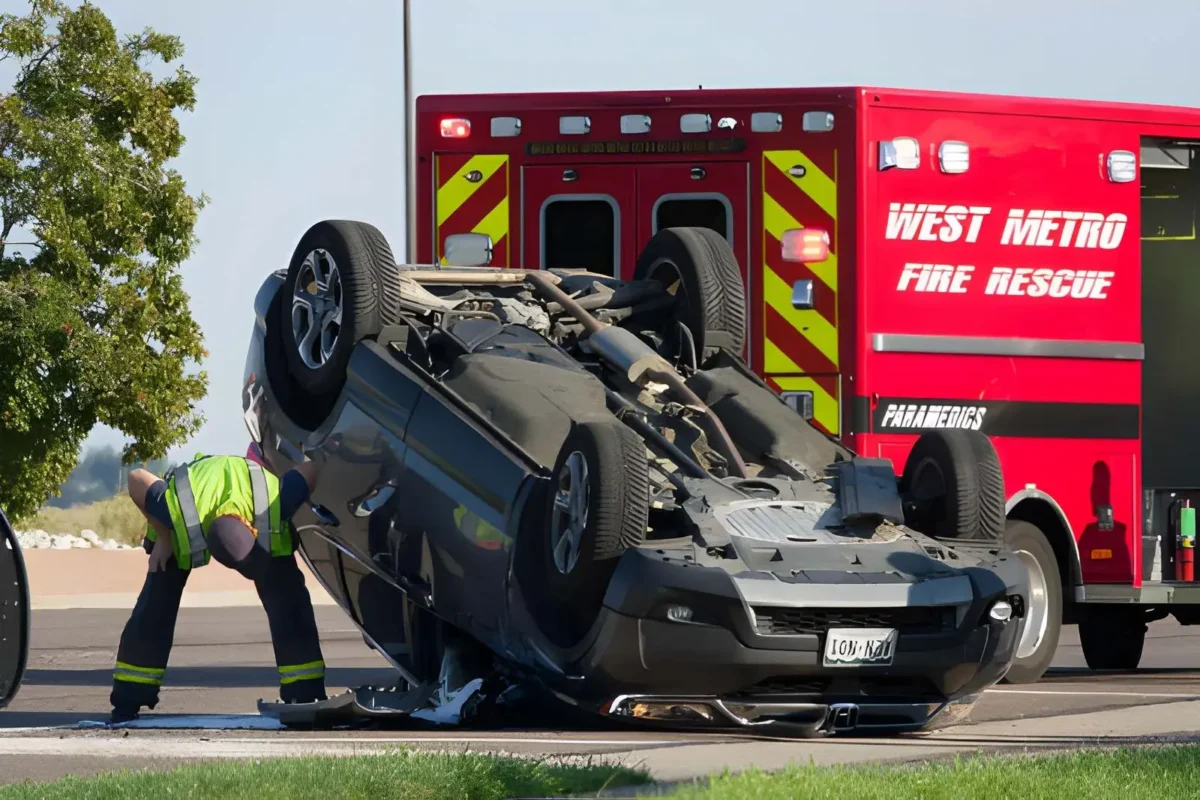

A collision can leave a driver trying to solve two problems at once: getting medical care and proving what happened. The Advocates can evaluate how photographs, witness accounts, police records, medical documentation, and insurance information fit together in a Denver car accident claim. The strongest evidence is usually gathered in layers, beginning at the crash scene and continuing through treatment, investigation, and settlement negotiation.
Why evidence matters after a Denver crash
An insurance company does not decide a claim from one photograph or one person’s account. An adjuster evaluates liability, injury causation, medical bills, lost wages, property damage, and available coverage. If the parties disagree about fault, each document can affect whether the insurer accepts the claim, disputes damages, or prepares for litigation.
Denver’s road-safety data shows why careful investigation matters. The City and County of Denver reported 94 traffic deaths in 2025. It also reported 345 serious bodily injuries that year, compared with 410 in 2024. Along Federal Boulevard, crashes during dark conditions declined by 16 percent after targeted safety work, yet the corridor remained a focus of the city’s Vision Zero program. Those figures describe community risk; they do not establish fault in an individual accident. A particular case still turns on evidence from the vehicles, road, drivers, witnesses, and medical record.
Preserve the crash scene before it changes
Safety and emergency care come first. When injuries and traffic conditions permit, photographs and video can preserve details that disappear once vehicles are moved and debris is cleared. Useful images show the full intersection or roadway, the final vehicle positions, damage to every involved vehicle, lane markings, traffic controls, skid marks, debris, weather, lighting, and any visible injury.
Context matters. A close-up of a damaged bumper may show impact, but a wider image may show that a vehicle was pushed across a lane or stopped beyond a signal. Photographing street names and nearby businesses can help an investigator confirm the location. Capturing the other vehicle’s plate and insurance card reduces the risk of a later identification dispute.
Do not take unnecessary risks to collect evidence. A busy section of Colfax Avenue, Federal Boulevard, Colorado Boulevard, Interstate 25, or Interstate 70 can remain dangerous after a crash. If photographs cannot be taken safely, a police report, traffic-camera inquiry, vehicle inspection, and later scene investigation may fill some gaps.
Get witness information while memories are fresh
An independent witness may have seen a red light, unsafe lane change, speeding vehicle, or distracted driver. A name, telephone number, email address, and short note about what the person observed can be more useful than a vague reference to a bystander who cannot be located later.
Witness evidence should be handled carefully. A witness may remember the impact but not the events leading to it. Another may have heard a driver make a statement at the scene. Attorneys and investigators compare those accounts with physical evidence rather than assuming every recollection is complete. Consistent details can support negligence; contradictions identify questions that need more investigation.
Nearby businesses, homes, buses, and vehicles may have cameras. Footage can be overwritten quickly, so identifying possible sources is time-sensitive. A preservation request may be appropriate when video, electronic vehicle data, phone records, or commercial-driver records could become evidence.
Use the police report as a starting point
Calling law enforcement can create an official record of the accident scene, drivers, vehicles, insurance information, reported injuries, and witness names. The report may also identify citations, apparent contributing factors, or a diagram of the collision.
A police report is important, but it is not always the final word on liability. The responding officer may not have seen the crash. A diagram can contain an error, a witness may contact police later, or vehicle damage may support a different sequence. A car accident lawyer can compare the report with photographs, body-camera material, emergency calls, medical records, and testimony.
If the crash involved a Denver police vehicle, RTD vehicle, road-maintenance unit, or another government entity, additional notice rules may apply. That issue requires prompt legal evaluation because a standard insurance claim does not necessarily preserve a claim against a public entity.
Connect medical records to the collision
Medical evidence addresses both injury and causation. Emergency-department notes, diagnostic imaging, physician findings, therapy records, prescriptions, work restrictions, and follow-up visits can document what was diagnosed and how the injury affected daily life.
Delays or unexplained treatment gaps often become negotiation points for insurance companies. A delay does not automatically defeat a case; some symptoms develop gradually, and access to care can be difficult. The record should accurately explain when symptoms began, what care was recommended, and why any gap occurred. Patients should describe symptoms truthfully without exaggerating or minimizing them.
Keep medical bills and health-insurance explanations of benefits together. They may show amounts billed, adjustments, payments, and balances. A damages analysis can also require wage statements, employer verification, tax records, mileage to treatment, medication receipts, and documentation of future care.
Protect property and electronic evidence
The damaged vehicle is evidence. Before repair or disposal, photographs and an inspection may reveal the direction and severity of impact. In a serious collision, event data, airbag information, onboard cameras, and advanced driver-assistance systems may be relevant. Commercial trucks, rideshare vehicles, and delivery fleets can generate additional records.
Save communications with insurers, repair facilities, towing companies, and medical providers. Keep claim numbers and adjuster contact information. Preserve text messages, app receipts, and trip records if an Uber or Lyft vehicle was involved. Avoid posting comments or images that could be taken out of context during a claim.
How evidence supports settlement negotiation
A demand for compensation should do more than list bills. It should explain liability, connect the crash to diagnosed injuries, document economic losses, and address pain and suffering with concrete facts. Evidence may support compensation for medical expenses, future care, lost income, reduced earning capacity, property damage, and other legally recoverable losses.
Negotiation often reveals the real dispute. An insurer may accept that its driver caused the collision but challenge the extent of treatment. It may accept the injuries but allege comparative negligence. A focused response uses the police report, witness statement, medical opinion, photograph, or record that answers that specific argument.
When a claim moves toward litigation
If the parties cannot agree, a lawsuit may allow formal discovery, depositions, subpoenas, expert analysis, and a trial. The same evidence gathered early becomes the foundation for testimony in court. Missing evidence is harder to recreate after vehicles are repaired, footage is erased, and witnesses move.
Legal representation can also help identify evidence a crash victim may not know exists. That can include intersection design records, prior vehicle inspections, maintenance logs, commercial-driver files, toxicology results, and insurance-policy documents. The appropriate investigation depends on the type of accident and the parties involved.
Build the record from the beginning
A Denver car accident claim is stronger when its proof is organized, consistent, and tied to the disputed issues. Scene photographs establish conditions. Witnesses describe events. Police records provide an official starting point. Medical documentation connects the collision to injuries and losses. Insurance records show which coverage may respond.
No single item guarantees compensation, and legal deadlines can expire while an investigation is underway. Early case evaluation gives an attorney time to preserve evidence, analyze fault, communicate with insurance companies, and determine whether settlement or litigation offers the better path to recovery.
Also Read
- https://grammerway.com/challenges-in-scaling-semiconductor-technologies-below-3nm/
https://grammerway.com/maximizing-returns-through-strategic-commercial-property-investment/
https://grammerway.com/transform-your-home-with-stylish-area-rugs-in-australia/







Leave a Comment