

According to the Environmental Protection Agency’s 2023 building materials survey, asbestos remains present in roughly 30 million commercial and residential structures built before 1980 — yet most homeowners focus solely on human health risks while overlooking their pets’ vulnerability to these microscopic fibers. As renovation activity surges across older housing stock and families spend more time at home, the intersection of asbestos exposure and pet safety represents a critical blind spot in household protection strategies.
Your dog or cat experiences the same respiratory dangers from asbestos that threaten humans, but their smaller size, different breathing patterns, and ground-level activities create unique exposure pathways that traditional safety guidance rarely addresses. When asbestos-containing materials deteriorate or get disturbed during home improvements, pets often encounter higher concentrations of airborne fibers than their owners realize. Understanding how these invisible hazards affect your entire household — not just the humans in it — can mean the difference between comprehensive protection and leaving your most vulnerable family members at risk.
Why Asbestos Exposure Matters for Pets and Households
The conventional wisdom around asbestos focuses on occupational exposure and human health outcomes, but this narrow view misses how pets navigate contaminated environments differently than people. Dogs and cats live much closer to floor surfaces where disturbed asbestos fibers settle, spend significantly more time in the home environment, and engage in behaviors like grooming that can transfer particles from fur to internal organs. Their respiratory systems, while similar to humans in basic structure, process these microscopic invaders at different rates and concentrations.
Consider a family renovating their 1960s kitchen while their golden retriever moves freely through the work area. While the homeowners might wear protective equipment during active demolition and leave the space afterward, the dog continues sleeping on floors where particles have settled, breathing air with residual fiber concentrations, and potentially carrying contaminated dust on its coat to other areas of the house. This creates a cycle of ongoing exposure that traditional human-focused safety measures don’t interrupt.
Pet exposure also amplifies household risk through secondary pathways. Animals tracking asbestos fibers on their fur can distribute contamination to previously clean areas like bedrooms, cars, and furniture where families relax. The fibers cling to pet hair and transfer to human clothing, skin, and breathing spaces through normal interaction — petting, playing, or simply sharing living areas. This means protecting pets isn’t just about animal welfare; it’s a crucial component of comprehensive household safety that prevents the spread of dangerous materials throughout your entire living environment.
How Asbestos Fibers Cause Health Risks in Pets and Humans
Asbestos fibers operate as microscopic daggers once they enter lung tissue, creating damage through their unique physical properties rather than chemical toxicity. These needle-like particles measure less than 5 micrometers in length but possess extraordinary durability — the human body cannot break them down or expel them effectively. When inhaled, the fibers penetrate deep into lung tissue and become permanently embedded in the delicate air sacs where oxygen exchange occurs.
The biological destruction unfolds slowly but relentlessly. Lung cells attempt to engulf and remove the foreign fibers through normal immune responses, but the particles’ sharp edges and indestructible composition kill the cells trying to clear them. This creates chronic inflammation as the immune system repeatedly attacks the embedded materials, generating scar tissue that gradually replaces healthy lung function. Over decades, this scarring process — called pulmonary fibrosis — reduces the lungs’ ability to expand and contract normally.
In both pets and humans, this mechanism leads to the same categories of disease: asbestosis (scarring that impairs breathing), lung cancer (malignant tumors in respiratory tissue), and mesothelioma (aggressive cancer in the lining around lungs and organs). Animals may actually face heightened risk because their smaller body size means the same fiber exposure represents a higher concentration per pound of body weight. Additionally, pets’ grooming behaviors can introduce asbestos particles through ingestion, potentially affecting digestive and abdominal organs in ways that human exposure typically doesn’t involve.
Common Symptoms and Long-Term Effects of Asbestos Exposure
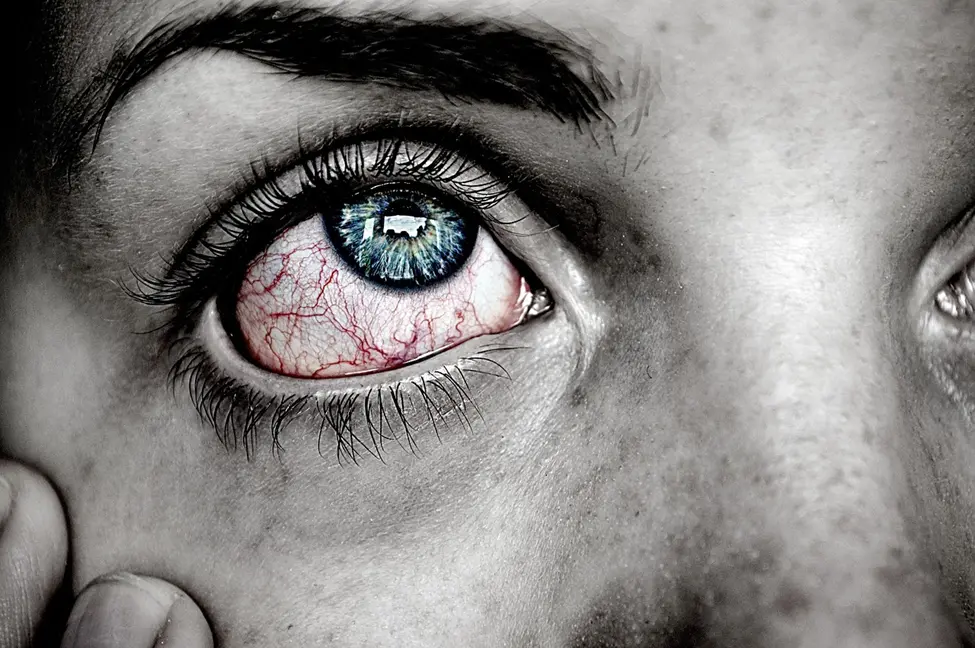
The insidious nature of asbestos-related illness lies in its extended latency period — symptoms rarely appear until 15-40 years after initial exposure, creating a dangerous gap between cause and effect that makes early detection challenging. In humans, the first signs often include persistent dry cough, shortness of breath during routine activities, chest pain, and unusual fatigue that doesn’t improve with rest. These symptoms develop so gradually that many people attribute them to aging, other respiratory conditions, or lifestyle factors.
Pet symptoms follow similar patterns but manifest differently due to animals’ inability to communicate discomfort verbally. Dog and cat owners should watch for increased panting or labored breathing during normal activities, reduced energy levels or reluctance to engage in play, persistent coughing especially after physical activity, and changes in eating habits or weight loss without other obvious causes. Cats may show increased hiding behavior or reluctance to jump to previously accessible heights, while dogs might exhibit decreased enthusiasm for walks or extended recovery times after exercise.
The long-term trajectory of asbestos disease creates compounding challenges as lung function deteriorates over time. Early-stage symptoms gradually worsen into severe respiratory distress, chronic pain, and significantly reduced quality of life. For pets, this progression can be particularly difficult to manage because animals instinctively hide pain and weakness until conditions become severe. By the time symptoms become obvious to owners, the underlying lung damage has often advanced substantially. The devastating reality is that no effective treatment exists to reverse asbestos-related lung scarring — management focuses on slowing progression and maintaining comfort rather than cure. Understanding this timeline emphasizes why prevention remains the only reliable protection strategy for both human and animal family members.
Practical Protection Measures Against Asbestos Exposure in Homes
Professional testing represents the foundation of any comprehensive protection strategy, particularly in homes built before 1980 where asbestos-containing materials were standard in insulation, flooring, roofing, and wall textures. Hire certified asbestos inspectors before beginning any renovation work, especially in areas like basements, attics, and older kitchens where friable (easily crumbled) materials are most likely. These professionals use specialized equipment to collect samples safely and analyze them at accredited laboratories — never attempt to test suspected materials yourself, as disturbing them releases exactly the fibers you’re trying to avoid.
When asbestos presence is confirmed, create controlled environments that minimize fiber release and protect both human and pet occupants. Seal off work areas with plastic sheeting and maintain negative air pressure using fans that exhaust outside rather than recirculating indoor air. Remove pets from the home entirely during active asbestos remediation — temporary boarding or staying with friends eliminates their exposure while professional crews complete removal using specialized equipment and disposal procedures. This isn’t overcautious; it’s recognizing that animals can’t follow safety protocols like wearing respiratory protection or avoiding contaminated areas.
For households managing asbestos-containing materials that remain in good condition, focus on preventing deterioration that releases fibers into living spaces. Maintain stable humidity levels to prevent expansion and contraction that can crack materials, avoid drilling or nailing into suspected asbestos surfaces, and immediately address any water damage that could compromise the integrity of older building materials. Consider situations like families dealing with the aftermath of accidents that may have damaged building materials — consulting with The Williams Law Firm, P.C. can help navigate both the immediate safety concerns and longer-term implications for your family’s health and legal rights. Regular visual inspections help identify early signs of damage like cracking, water stains, or crumbling edges that signal the need for professional evaluation before problems worsen.
Legal and Regulatory Landscape Around Asbestos Exposure
Current federal regulations create a complex framework where asbestos isn’t banned outright but is heavily restricted in new products and governed by strict handling procedures during renovation and demolition. The EPA’s Renovation, Repair, and Painting Rule requires certified contractors for work in pre-1978 buildings, while OSHA maintains workplace exposure limits and mandates specific safety equipment for professionals handling asbestos materials. These regulations primarily focus on preventing new exposure during construction activities, but they provide limited guidance for homeowners managing existing asbestos in residential settings.
Legal claims for asbestos-related illness typically involve demonstrating exposure history, medical diagnosis confirming asbestos disease, and connecting the health condition to specific products or locations where exposure occurred. For pet owners, this landscape becomes more complicated because veterinary medicine has limited protocols for diagnosing asbestos-related disease in animals, and legal precedent for companion animal asbestos claims remains largely undeveloped. However, household members who develop asbestos illness may be able to pursue compensation if exposure occurred through contaminated products, workplace conditions that affected family members, or negligent handling of renovation projects.
The regulatory emphasis on professional remediation reflects the serious long-term health consequences and the technical expertise required to handle asbestos safely. State and local governments often impose additional requirements beyond federal minimums, particularly regarding disposal procedures and contractor certification. Understanding these legal frameworks helps families make informed decisions about when to involve certified professionals versus when they might safely manage minor maintenance around asbestos-containing materials themselves.
For families facing asbestos exposure concerns, the intersection of health protection and legal rights requires careful consideration of both immediate safety measures and longer-term implications. Document any known or suspected exposure incidents, maintain records of professional testing and remediation work, and seek medical evaluation for both human and pet family members if symptoms develop that could indicate respiratory compromise.
Also Read
- Innovative Technologies in Metalworking Equipment
- Pendeja Meaning in English: Definition, Usage, Cultural Context, and Real-Life Examples
- Innovative Strip Drain Solutions for Effective Water Management







Leave a Comment