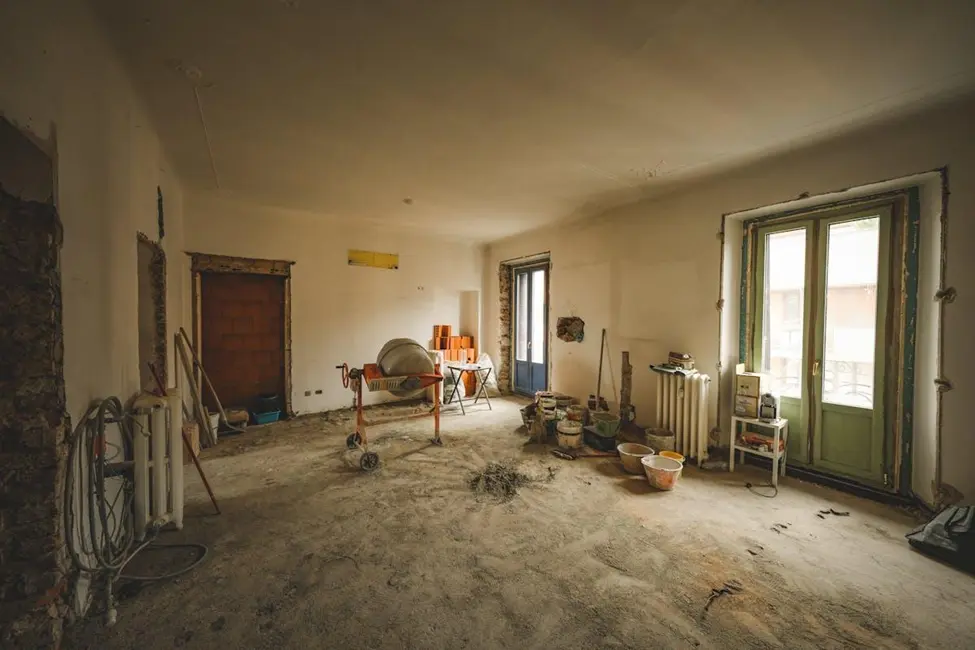

According to the Centers for Disease Control and Prevention’s 2024 injury data, one in four adults aged 65 and older falls each year, with the majority of these incidents occurring in the home environment. As America’s population continues to age — with baby boomers now comprising the largest senior demographic in history — the conversation around home safety has shifted from convenience to necessity.
The stakes couldn’t be higher. A fall that might result in bruises for a younger person can mean hip fractures, brain injuries, or loss of independence for seniors. Yet most falls aren’t inevitable accidents — they’re preventable events that occur when age-related changes meet environmental hazards that younger residents might navigate without thinking twice. Consulting a premises liability legal team can help seniors and their families understand their rights and take steps to address hazardous conditions responsibly.
Understanding how to identify and address these risks transforms a home from a potential danger zone into a supportive environment where seniors can maintain their independence confidently. The modifications and habits that prevent falls often require minimal investment but deliver outsized returns in safety and peace of mind.
What Increases Slip and Fall Risks for Seniors at Home
Age brings physiological changes that fundamentally alter how people navigate familiar spaces. Balance deteriorates as the vestibular system in the inner ear becomes less responsive, while muscles lose strength at a rate of roughly 3-8% per decade after age 30. These changes mean that surfaces, transitions, and obstacles that never posed problems before suddenly become potential hazards.
Vision changes compound the challenge significantly. Presbyopia, cataracts, and reduced depth perception make it harder to spot step changes, wet areas, or objects in the path. Many seniors also experience decreased sensitivity in their feet, making it difficult to feel surface textures or notice when they’re stepping onto something slippery. Medications commonly prescribed for conditions like high blood pressure, diabetes, or depression can cause dizziness, drowsiness, or orthostatic hypotension — where blood pressure drops suddenly when standing.
The home environment itself presents unique risks for older adults. Familiar spaces become treacherous precisely because they’re so well-known. A person might navigate their hallway in dim lighting for years without incident, but age-related changes mean what once felt safe now requires more careful attention. Throw rugs that provided comfort and style become tripping hazards when reflexes slow. Bathroom surfaces that feel secure when dry become skating rinks when wet, and stairs that seemed manageable begin to feel daunting.
Consider the daily routine of getting up at night to use the bathroom — a simple task that becomes surprisingly complex for seniors. Poor lighting, the disorientation of waking up, potential medication effects, and the urgency to reach the bathroom quickly create a perfect storm of fall risk factors. Understanding these interconnected vulnerabilities helps explain why comprehensive prevention strategies matter more than quick fixes.
Which Home Modifications Most Effectively Reduce Falls
How Lighting and Handrails Enhance Safety
Proper lighting addresses one of the most common yet overlooked fall risk factors in senior homes. The key isn’t just brightness — it’s eliminating shadows, reducing glare, and ensuring transitions between light and dark areas are gradual. Motion-activated lights in hallways, bathrooms, and bedrooms provide illumination exactly when and where it’s needed, without requiring seniors to fumble for switches in the dark.
Handrails serve as critical backup systems when balance falters or strength gives out momentarily. Strategic placement matters more than quantity — rails should be installed wherever there’s a level change, along any walkway longer than a few feet, and especially in bathrooms where wet surfaces multiply risks. The most effective installations extend beyond the actual step or hazard area, giving users something to grasp before they encounter the challenging section.
Light switches positioned at both the top and bottom of stairways eliminate the dangerous practice of navigating stairs in darkness. Similarly, bedside lamps or wall-mounted lights allow seniors to illuminate their path before getting up, rather than walking blind through potentially hazardous areas. These modifications work because they address the specific ways aging affects navigation rather than treating all mobility challenges as identical.
What Flooring and Layout Changes Help Prevent Slips
Slip-resistant flooring makes the single biggest difference in preventing falls, but the most effective solutions often surprise homeowners. Textured vinyl, certain laminate products, and properly installed carpet with low pile height typically outperform traditional choices like hardwood or ceramic tile. The goal isn’t creating a hospital-like environment — it’s finding materials that provide traction without sacrificing the comfort and aesthetics seniors value in their homes.
Layout modifications focus on eliminating obstacles and creating clear pathways. Furniture arrangement should prioritize wide, straight routes between frequently used areas, with sturdy pieces positioned to provide support if needed. Coffee tables with sharp corners, decorative items on the floor, and electrical cords across walkways transform from minor inconveniences to serious hazards when reaction time slows.
Threshold strips between rooms create unexpected trip points, especially when lighting changes between spaces make them hard to see. The most effective approach involves removing unnecessary thresholds entirely or replacing them with gradual transition strips that don’t catch toes or wheels. These changes require minimal investment but address the reality that seniors may not lift their feet as high when walking, making even small elevation changes problematic.
How Footwear and Daily Habits Affect Fall Prevention
Appropriate footwear represents one of the most controllable fall risk factors, yet it’s frequently overlooked in home safety discussions. Slippers without backs, socks on smooth floors, and shoes with worn treads create unnecessary slip hazards that proper footwear eliminates entirely. The most effective choices provide ankle support, non-slip soles, and secure fit without being so cumbersome that they feel unsafe.
Many seniors resist changing longtime footwear habits, particularly around the house where comfort has always taken priority over safety. However, supportive shoes with good traction can actually increase comfort by reducing the muscle fatigue that comes from constantly working to maintain balance on uncertain surfaces. Slip-on styles with elastic panels or Velcro closures provide the convenience seniors want while delivering the support they need.
Daily movement habits matter just as much as physical modifications. Rushing becomes exponentially more dangerous as reflexes slow, yet the urgency to answer phones, reach the bathroom, or respond to doorbells often overrides safety considerations. The most successful fall prevention involves building in extra time for transitions — allowing a moment for eyes to adjust when moving between light levels, pausing after standing up to let blood pressure stabilize, and taking stairs one at a time rather than trying to maintain younger-adult pacing.
Clutter reduction extends beyond obvious obstacles to include anything that disrupts familiar navigation patterns. Even small changes, like magazines left on a chair or shopping bags placed temporarily in walkways, can become hazards when seniors rely on muscle memory to move through spaces they’ve navigated safely for years.
Why Regular Maintenance and Hazard Awareness Matter
Proactive maintenance prevents many of the gradual changes that transform safe spaces into dangerous ones. Loose handrails, burned-out bulbs, and worn carpet edges start as minor issues but become serious hazards when combined with age-related balance or vision changes. Regular inspection schedules — monthly for high-use areas like bathrooms and stairs, seasonally for less frequent spaces — catch problems before they cause falls.
Spill cleanup takes on heightened importance in senior households, where a wet kitchen floor that might cause a younger person to slip and catch themselves can result in serious injury. Immediate attention to any moisture, whether from cooking, pets, or tracked-in weather, eliminates these temporary but high-risk situations. Having cleanup supplies readily available in each area where spills commonly occur makes quick response more likely.
Seasonal hazard awareness becomes crucial as weather patterns create new risks throughout the year. Winter months bring concerns about snow and ice tracked indoors, while spring cleaning often involves using stepladders or moving furniture that can create temporary hazards. Summer humidity can make smooth surfaces more slippery, and fall leaves tracked inside present slip risks that many people don’t consider until someone falls.
The maintenance mindset that prevents falls also encompasses keeping emergency supplies accessible — flashlights with fresh batteries, non-slip mats that can be deployed quickly in wet conditions, and ensuring that phone access doesn’t require navigating potentially hazardous areas in emergency situations. When premises liability legal team professionals examine fall incidents, they often find that proper maintenance could have prevented the injury entirely.
What Are the Consequences of Falls and Why Prevention Is Vital
Physical injuries from falls often prove more severe and longer-lasting for seniors than younger adults expect. Hip fractures affect nearly 300,000 Americans over 65 each year, with recovery frequently requiring months of rehabilitation and permanently altering mobility. But beyond the dramatic injuries that require surgery, falls also cause brain injuries, wrist fractures, and soft tissue damage that can limit independence for extended periods.
The psychological impact often proves equally devastating. Fear of falling becomes a self-fulfilling prophecy as seniors restrict their activities, leading to muscle weakness and decreased confidence that actually increases fall risk. Many seniors who experience one fall begin avoiding stairs, limiting their movement to certain areas of their homes, or becoming overly dependent on family members for activities they previously managed independently.
Financial consequences extend far beyond immediate medical bills. Extended rehabilitation, home modifications completed under emergency circumstances rather than planned implementation, and potential loss of independent living arrangements create costs that ripple through families and communities. Insurance coverage varies significantly for different types of fall-related expenses, leaving many seniors facing difficult choices about their care and living situations.
Prevention becomes vital not just for avoiding these immediate consequences, but for maintaining the independence and quality of life that allows seniors to age in place successfully. The modifications and habits that prevent falls often enhance daily comfort and confidence, creating positive feedback loops where seniors feel safer moving through their homes and therefore maintain better physical condition. When families invest in prevention rather than reaction, they protect both safety and the dignity that comes from navigating one’s own space confidently.
Also Read
- How to Choose the Perfect Flooring for Your Home
- 20 Other Ways to Say “Business Owner” (With Examples)
- Pendeja Meaning in English: Definition, Usage, Cultural Context, and Real-Life Examples



Leave a Comment