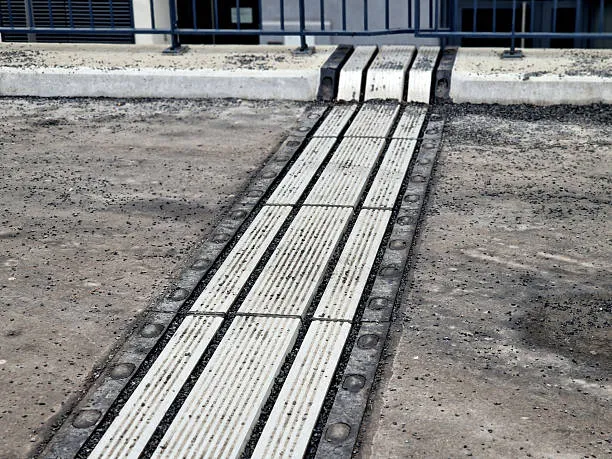

In the world of strip drain solutions, selecting the right system is crucial for effective water management in various environments. A strip drain is a type of linear drainage system designed to efficiently collect and convey surface water, preventing flooding and pooling in areas such as driveways, pavements, and landscaped gardens.
Understanding Strip Drain Solutions
Strip drain systems consist of a channel or trench with a grate on top, allowing water to flow into the channel and be directed away safely. These systems are particularly beneficial in areas with heavy rainfall or poor soil drainage. They help maintain landscape aesthetics by being seamlessly integrated into the groundwork.
Applications of Strip Drain Systems
There are numerous applications for strip drains, including car parks, sporting fields, airports, and residential areas. In car parks and airports, for example, strip drains help manage surface water efficiently, reducing the risk of accidents due to water accumulation. In athletic fields, they maintain the field’s usability by ensuring rapid drainage after rainfall.
Design and Installation
The design and installation of strip drain systems require careful planning. The channels need to be correctly sized to handle expected water volumes, and the grates should be chosen based on the load requirements and location aesthetics. Professional installation ensures proper slope and alignment, which are critical for optimal performance.
Materials Used in Strip Drains
Common materials used in strip drain systems include polymers, stainless steel, and galvanised steel. Polymeric drains are lightweight and corrosion-resistant, making them ideal for areas prone to chemical run-off or saline water exposure. Stainless and galvanised steel options offer durability and are suitable for high-traffic areas.
Advantages of Using Strip Drains
Employing strip drain solutions offers several advantages, including reduced surface water accumulation, increased safety, and improved landscape aesthetics. Additionally, these systems lower maintenance costs by preventing damage caused by excessive water exposure to other structures.
Innovations in Drainage Technology
Recent innovations in the field of strip drain technology include the integration of smart sensors that monitor water levels and flow rates. This technology allows for proactive management of drainage systems, ensuring that any issues are addressed before they result in flooding or system failure.
Environmental Impact
Strip drain systems not only manage water effectively but also contribute to environmental sustainability. By controlling water flow, they reduce soil erosion and help maintain the natural water cycle. Additionally, many modern systems are designed to be environmentally friendly using recycled materials.
Cost Considerations
The cost of installing a strip drain system will vary depending on the size, materials used, and specific site conditions. However, the long-term savings from reduced maintenance and prevention of water-related damages often outweigh the initial installation costs.
Maintenance Best Practices
Regular maintenance of strip drain systems is essential for continued efficiency. This includes clearing debris from the grates and ensuring channels are free from blockages. Periodic inspections should be scheduled to identify potential issues early.
Challenges in Implementation
Some challenges in implementing strip drain systems include dealing with existing underground utilities and ensuring the system integrates with existing landscape designs. Consulting with drainage professionals can help mitigate these challenges.
Case Studies
Several successful implementations of strip drain systems can be seen globally. For instance, sports complexes that require quick field drainage to resume activities shortly after rain have benefited immensely from these systems.
Future Prospects
The future of strip drain solutions looks promising, with increasing adoption in both residential and commercial sectors. As technology evolves, we can expect to see even more efficient and environmentally friendly systems emerge.
Conclusion
In conclusion, innovative strip drain solutions play a critical role in effective water management, providing numerous benefits and applications across different sectors. By addressing water management needs, these systems enhance safety and aesthetics in challenging environments.
Read more: Effective Vegetation Management Equipment for Australian Landscapes
Discover the Perfect Sydney Wedding Venue for Your Dream Day
Essential Guide to Auto Electrical Wiring Supplies for Your Vehicle

Grace Mitchell is a content writer at GrammerWay, focused on English grammar, clear writing, and common language mistakes. She creates simple, reader-friendly guides to help improve writing confidence.
Leave a Comment