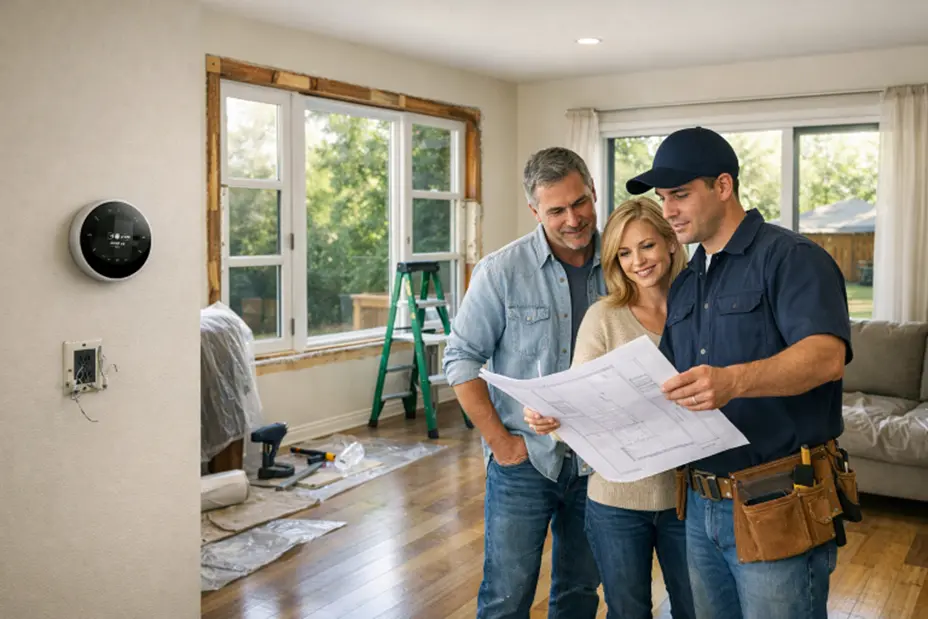

Renovating your home is an exciting journey that can enhance both its functionality and aesthetic appeal. However, making informed decisions is crucial to ensure your investment adds value and meets your lifestyle needs. This guide explores key considerations for smart renovation choices in modern homes.
Assessing Your Needs and Goals
Before embarking on a renovation project, clearly define your objectives. Are you aiming to increase energy efficiency, expand living space, or update the interior design? Understanding your goals will help prioritize tasks and allocate your budget effectively. Collaborating with experienced professionals can significantly improve the success of your renovation. A reputable home renovation contractor like Jensen Pro Construction can provide valuable insights and ensure the project aligns with your vision and budget. Based in Utah Valley, Jensen Pro Construction specializes in comprehensive home renovations, offering expertise in both design and construction to deliver high-quality results.
Embracing Smart Home Technology
Integrating smart technology can significantly enhance your home’s convenience and efficiency. Features like smart thermostats, lighting systems, and security cameras not only provide comfort but also contribute to energy savings. According to a 2026 survey, homeowners are increasingly incorporating smart devices into their renovations to improve functionality and future-proof their homes.
Smart technology goes far beyond basic convenience and now plays a key role in modernizing homes for improved safety and sustainability. Smart door locks, leak detection sensors, and integrated voice-controlled assistants can transform daily routines. Additionally, many smart home features can be managed remotely through advanced apps, giving homeowners greater control over their property, even when they’re away. As technology evolves, ensuring your renovation is compatible with the latest systems and standards can future-proof your investment, making your property ready for innovations yet to come.
Prioritizing Energy Efficiency
Energy-efficient upgrades are not only environmentally friendly but also cost-effective in the long run. Consider installing high-performance windows, enhancing insulation, and opting for energy-efficient appliances. These improvements can lead to substantial savings on utility bills and increase your home’s resale value. Adding renewable energy sources, such as solar panels or geothermal systems, is another impactful way to reduce your carbon footprint and save on energy costs. Many states and municipalities offer rebates or tax incentives for implementing eco-friendly solutions, making the initial investment more manageable. Furthermore, today’s market responds favorably to homes with green certifications and energy-efficient features. By focusing on sustainability, you’re not only doing your part for the environment but also increasing your home’s marketability and long-term appeal.
Planning for Future Needs
Design your renovation with the future in mind. Flexible layouts and adaptable spaces can accommodate changing family dynamics or lifestyle shifts. Incorporating features like wider doorways and step-free entrances can make your home more accessible and appealing to a broader range of buyers. Another important consideration is ensuring that your renovation adapts to future technological and lifestyle changes. For example, consider pre-wiring rooms for potential future needs, such as network cabling for work-from-home capabilities, surround sound, or home theater systems. Multi-purpose rooms that can evolve, such as a guest room that transforms into a home office or a workout space, will serve your needs for years to come. Additionally, aging-in-place features, such as lever-style door handles, walk-in showers, and non-slip flooring, can make your home more comfortable for all ages and stages of life.
Choosing Quality Materials
Investing in durable, high-quality materials ensures longevity and reduces maintenance costs. While the initial expense may be higher, materials like hardwood flooring, stone countertops, and solid wood cabinetry offer timeless appeal and withstand daily wear and tear. When selecting materials for your renovation, evaluate both aesthetics and performance. Look into new composite or engineered solutions that mimic the beauty of natural stone or wood, often offering better resistance to moisture and temperature fluctuations. Prioritize water-resistant materials for kitchens and bathrooms, as they are frequently used and prone to spills. Remember to research warranties and the environmental impact of your selections, and to opt for materials with transparent sourcing and responsible manufacturing practices whenever possible. Well-chosen elements won’t just last longer, as they’ll maintain their beauty and functionality over time, making them worthwhile investments for any modern home.
Staying Informed About Trends
Keeping abreast of current renovation trends can inspire your project and ensure your home remains modern and functional. For instance, the integration of smart home technology and sustainable materials is gaining popularity among homeowners. Trends in home renovation are constantly evolving, and staying up to date can greatly enhance your project’s appeal. Open-concept living spaces, natural light maximization, biophilic design (incorporating elements of nature), and bold yet timeless color palettes are all en vogue. Functional mudrooms, custom storage solutions, and outdoor living enhancements, such as decks or patios with built-in kitchens and seating, are also in high demand. Regularly consulting home improvement magazines, visiting showrooms, and speaking with professionals can help you strike the ideal balance between trendy features and lasting value in your renovation.
Budgeting and Cost Management
A renovation is an investment, and careful financial planning is essential. Start by setting a realistic budget that accommodates both your must-have features and a contingency fund for unexpected expenses. Break down the budget by project area (kitchen, bathroom, exterior, etc.) and prioritize spending on areas with the greatest return, such as kitchens or curb appeal improvements.
Working with a trusted contractor also helps in managing costs effectively. They can identify potential savings, procure materials at better rates, and reduce costly delays. Always request detailed quotes and timelines, and don’t hesitate to ask for references or examples of previous work to ensure reliability and alignment with your vision. Transparent, ongoing communication is key to staying on track and within budget throughout your renovation journey.
Conclusion
Making smart renovation decisions involves careful planning, embracing modern technologies, and considering future needs. By focusing on quality, energy efficiency, and professional guidance, you can create a home that is both beautiful and functional, standing the test of time. Ultimately, a thoughtfully executed renovation not only enriches your daily living experience but also boosts your property’s market value and resilience for the years ahead. With the right preparation and team, your home can truly become a lasting reflection of your goals, values, and personal style.
Also Read
- The Grammar of Daily Life: How Patterns Shape Our Behavior
- How Storytelling Helps Businesses Build Trust
- How Routines and Activities Boost Quality of Life in Memory Care







Leave a Comment