
Understanding Yellow Grease
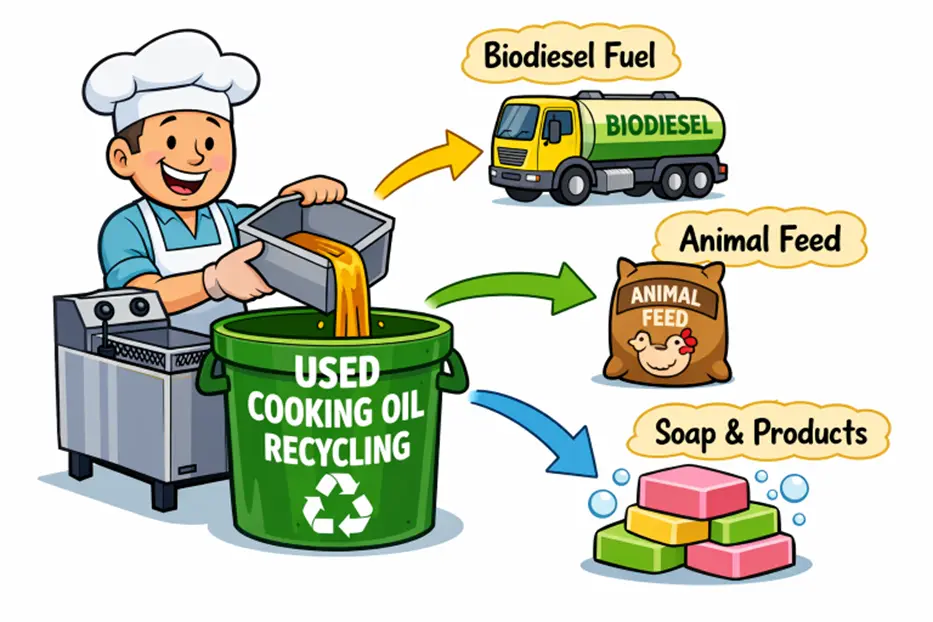
Yellow grease, also known as used cooking oil, is the oil left over from fryers, grills, and other commercial kitchen equipment. It is cleaner and free of food solids compared to brown grease, making it an ideal candidate for recycling into high-value products such as biodiesel, animal feed, and industrial lubricants. Managing this byproduct responsibly can turn what would be waste into an economic opportunity for many businesses. For efficient yellow grease disposal, solutions such as https://gfcommodities.com/our-services/yellow-grease-disposal/ facilitate collection and recycling.
Yellow grease is often overlooked as a resource, yet it represents a significant volume of waste generated by restaurants, cafeterias, and food manufacturing facilities. The proper management and recycling of yellow grease not only address environmental issues but also help businesses recover value from what might otherwise contribute to pollution. Responsible yellow grease recycling is essential for keeping kitchen operations efficient and eco-friendly.
Environmental Benefits of Recycling
Recycling yellow grease plays a pivotal role in minimizing environmental impact. Improperly disposed of used cooking oil can clog sewer systems, contribute to water pollution, and harm aquatic life. By channeling yellow grease into recycling programs, businesses help prevent costly sewage repairs and reduce the oil’s entry into lakes, rivers, and oceans. Refining used cooking oil into biodiesel is especially valuable, as it is a renewable energy source that reduces reliance on petroleum-based diesel and lowers overall greenhouse gas emissions.
Beyond energy production, the reutilization of yellow grease also aligns with global efforts to reduce waste and promote circular economies. The Environmental Protection Agency (EPA) highlights that recycling used cooking oil keeps material out of landfills while supporting sustainable manufacturing processes.
Economic Advantages for Businesses
Businesses can derive significant value from yellow grease recycling. The market for used cooking oil has grown as demand for biodiesel and related products has risen, with prices fluctuating between $0.33 and $0.44 per pound in recent years. Rather than treating used oil as disposable waste, organizations that partner with legitimate recycling companies can create a recurring revenue stream. Besides direct payments for oil, companies often benefit from reduced waste management costs and avoid fines for improper disposal.
Financial incentives add to sustainability objectives, making recycling an easy decision for foodservice operators. This dual benefit increases participation in grease collection programs, enhancing both a business’s bottom line and its green image. As more companies seek to demonstrate corporate social responsibility, yellow grease recycling offers a practical, visible way to support environmental goals.
The Recycling Process
The journey from used cooking oil to a renewable product involves several key stages:
- Collection: Recycling starts with the safe and hygienic collection of used cooking oil from kitchens, using secure containers to prevent spills and contamination.
- Filtering: The oil is transported to processing facilities where it is filtered to remove solids and residual food particles.
- Dewatering: Any moisture in the oil is removed to ensure product quality and efficiency in subsequent applications.
- Refining: Additional purification steps remove contaminants and prepare the oil for its next use.
- Conversion: The cleaned oil is then processed into biodiesel, animal feed ingredients, or used in other industrial applications such as lubricants or soaps.
This robust process ensures yellow grease is not wasted but repurposed into valuable materials while meeting industry-standard quality requirements.
Choosing a Reliable Recycling Partner
Businesses looking to maximize the benefits of yellow grease recycling need a trustworthy and professional recycling partner. Ideal service providers should offer regular and timely pickups, transparent pricing, and fair compensation for the collected oil. In addition, a reputable partner will comply with all local environmental laws and keep precise documentation for auditing and regulatory purposes. This partnership can help streamline workflows, ensure compliance, and improve overall recycling efficiency.
Regulatory Compliance and Best Practices
Regulatory compliance is another critical factor in yellow grease recycling. Local and federal agencies require specific protocols for handling, storage, and transportation to prevent spills and contamination. Businesses must ensure that used oil is contained in suitable receptacles, that staff are trained in spill response procedures, and that all transactions are recorded for regulatory review. Detailed record-keeping is vital to confirm environmental stewardship and maintain compliance with evolving regulations. The EPA’s Sustainable Materials Management: Non-Hazardous Materials and Waste Management Hierarchy provides guidance on best practices in this rapidly growing industry.
To ensure best practices, staff should be regularly educated on handling procedures, emergency response plans should be clear and accessible, and equipment should be maintained to reduce the risk of leaks or spills. Proactive management not only reduces risks but also identifies further opportunities to improve sustainability efforts.
Future Trends in Yellow Grease Recycling
The future of yellow grease recycling is shaped by several factors. Demand for biodiesel and renewable fuels continues to rise as fleets and industries seek greener alternatives. At the same time, technological advances in filtration, conversion, and transportation are making recycling processes more efficient and expanding the range of usable recycled products. Tightening regulations are likely to bring even greater structure to the industry, promoting higher safety and environmental standards.
As sustainability becomes central to business strategy, companies that invest in yellow grease recycling position themselves at the forefront of a more responsible and profitable food service industry. Forward-thinking operators who work with expert recycling partners will be best positioned to capitalize on new opportunities, adapt quickly to regulatory changes, and reduce their environmental footprint for years to come.
Also Read
- Innovative Technologies in Metalworking Equipment
- Managing Pain After a Car Crash: Effective Strategies and Insights
- Essential Truck Accessories Every Owner Should Consider







Leave a Comment