
Introduction
Modern living and commerce rely heavily on robust and secure electrical systems. As technology advances, integrating smart solutions into electrical frameworks is no longer a futuristic option but a necessity. Smart electrical solutions help minimize operational risks, control energy consumption, and enable reliable performance across homes, businesses, and industrial spaces. Read further to explore how these innovations can transform any facility.
Digitalization and the Internet of Things (IoT) have enabled real-time monitoring and data-driven management in the electrical industry. Today, facility managers and homeowners alike benefit from unprecedented levels of control, efficiency, and safety. These advancements support not only energy conservation but also compliance with evolving safety standards, making them essential in any modernization project.
Traditional electrical systems often rely on manual troubleshooting and scheduled maintenance, leaving vulnerabilities unaddressed. In contrast, smart solutions leverage predictive alerts and automated protection, thereby reducing the chances of costly downtime or hazardous incidents. With regulatory agencies emphasizing proactive safety, embracing these technologies is crucial for longevity and reliability.
The growth in smart technologies has also fostered greater collaboration between manufacturers, engineers, and safety organizations. Information sharing and standardized practices keep all stakeholders ahead of potential risks and result in more resilient infrastructure. This forward-thinking approach enables facilities of all sizes to operate more efficiently and safely, aligning with the best industry practices.
The Importance of Electrical Safety
Electrical hazards remain a significant cause of property damage and injury. The National Fire Protection Association (NFPA) notes that electrical failures or malfunctions were the second-leading cause of U.S. home fires in 2020. These incidents are often due to outdated components or human error, underscoring the critical need for strong safety strategies.
Regulatory standards, such as NFPA 70 (National Electrical Code), set forth guidelines for safe electrical design, installation, and inspection. However, simply meeting minimum requirements is no longer enough given evolving risks. Regular reviews and adoption of new safety technologies ensure consistent protection against fire, shock, and equipment failures. For both residential and commercial entities, this proactive approach can prevent costly claims or disruptions.
The current shift toward smarter electrical systems addresses common vulnerabilities, such as overloaded circuits and undetected faults. Early interventions informed by real-time monitoring can prevent issues from escalating. This focus on prevention supports a safer environment, boosts confidence, and demonstrates a commitment to responsible facility management.
Smart Technologies in Electrical Systems
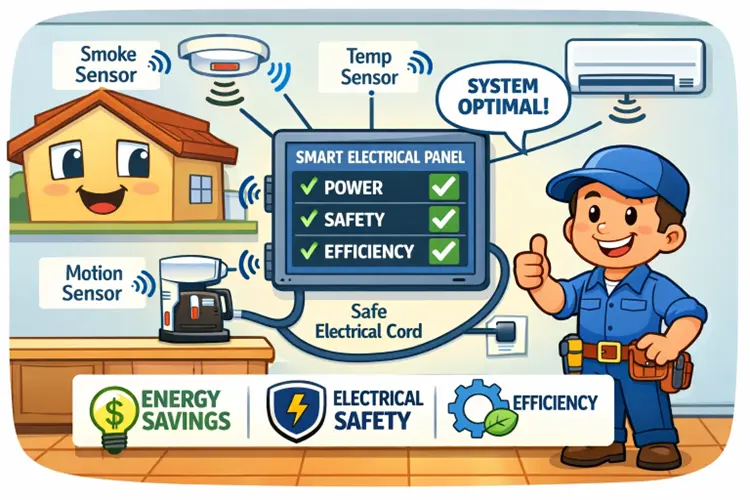
Modern electrical systems benefit greatly from the integration of advanced technologies designed to monitor, analyze, and protect power infrastructure. Among these, smart panels represent a significant leap forward. They provide real-time insights into electrical usage and can quickly isolate issues before they spread throughout a building.
- Smart Panels: Advanced panels make it easy to manage complex power requirements by offering real-time data and intelligent circuit management. These systems support remote diagnostics and can send alerts if anomalies are detected, enabling swift rectification.
- IoT-Enabled Sensors: Sensors installed throughout a facility constantly monitor key electrical parameters such as voltage, temperature, and current. Deviations trigger automated alerts, empowering engineers to proactively address potential problems. IoT-based sensors also contribute to energy optimization by identifying inefficiencies.
- Automated Circuit Breakers: Traditional breakers protect circuits by physically interrupting connections during faults. Automated versions build on this by enhancing the speed and precision of protection. When they detect an abnormal event, such as a short circuit, they can instantly cut off power to prevent damage and reduce the risk of fire.
These technologies work together to create an intelligent ecosystem that greatly reduces the risk of electrical failures. As reported by Forbes, such innovation helps organizations move toward predictive maintenance, rather than corrective intervention, providing a noticeable return on investment for companies and safety for occupants.
Benefits of Smart Electrical Solutions
Transitioning to smart electrical systems offers a range of compelling advantages for facility owners and end users alike. Chief among them is enhanced safety. By continuously monitoring for signs of trouble, these systems drastically reduce response times and enable the resolution of minor faults before they escalate into hazardous incidents.
- Energy Efficiency: Automated load management and real-time insights enable buildings to optimize power use, ensuring energy is used only when and where needed. This trims operational costs and supports environmental sustainability goals.
- Remote Monitoring: With cloud-connected platforms, technicians and management teams can supervise electrical conditions from anywhere. This reduces the need for on-site personnel and accelerates troubleshooting, minimizing system downtime.
- Fault Detection and Diagnostics: Smart systems can quickly pinpoint the origin of a problem, enabling faster repairs and reducing the risk of serious damage.
According to the U.S. Department of Energy, smart meters and related products empower consumers and businesses to make informed decisions that result in cost savings and improved service reliability.
Implementing Smart Solutions
A successful transition to smart electrical infrastructure begins with a comprehensive review of current systems. Facility managers or homeowners should engage experienced professionals to evaluate the condition and age of wiring, panels, and safety components to determine upgrade priorities.
- Assessment: Detailed inspections help identify outdated equipment or areas susceptible to overloads. Recommendations can be tailored to each site based on usage patterns and risk assessments.
- Planning: A well-thought-out strategy takes into account the scale of upgrades, budget constraints, and the compatibility of new devices with existing infrastructure. Consulting with certified vendors ensures the latest, compliant technology is selected.
- Installation: Qualified electricians are essential for safe and effective integration. They ensure that new equipment is installed in accordance with regulatory and manufacturer specifications, avoiding potential conflicts or hazardous situations.
- Training: Facility staff must be educated on the operation and benefits of smart systems. Ongoing training ensures proper use and encourages continuous improvement in energy usage and safety practices.
Comprehensive planning is instrumental in achieving lasting improvements while maximizing return on investment. Continuous improvement also means regularly reviewing the impact of new technologies and adapting strategies as necessary.
Maintenance and Upgrades
Ongoing maintenance is crucial to extend the lifespan and effectiveness of both traditional and smart electrical systems. This includes routine inspections intended to detect and address early signs of wear, such as loose connections, corrosion, or outdated wiring.
- Periodic Inspections: Scheduled check-ups help reveal issues before they escalate and also confirm that all components meet current codes and safety standards.
- Software Updates: For smart panels and sensors, keeping software and firmware up to date ensures optimal performance and protection against security threats.
- Timely Upgrades: With new technologies emerging yearly, facilities should plan for gradual upgrades, swapping older components for more efficient, reliable alternatives.
Preventive maintenance and upgrades also support compliance with insurance providers, often resulting in reduced premiums. Partnering with trusted service providers enables organizations to achieve operational excellence without disruption.
When preparing for necessary system modernization or routine safety upgrades, working with an experienced professional ensures that new installations comply with current municipal codes. Local property owners seeking reliable design and installation support can depend on a specialized team like All Spark Electric electrical contractor Crowley to evaluate existing setups, address panel issues, and implement infrastructure enhancements
Conclusion
The integration of smart solutions into electrical systems is transforming the way homes and businesses approach safety, efficiency, and reliability. Modern technologies not only reduce operational costs but also create safer, more sustainable environments for everyone. Regular updates and proactive maintenance enable continued benefit from these advancements, ensuring power systems remain robust and future-ready.
Also Read
- ATP Meaning in Texting in 2026: What ATP Stands For
- Revolutionizing Finance: How Accounts Payable Automation Solutions Enhance Business Efficiency
- Energy-Efficient Window Treatments for Homes in Lake St. Louis, MO







Leave a Comment