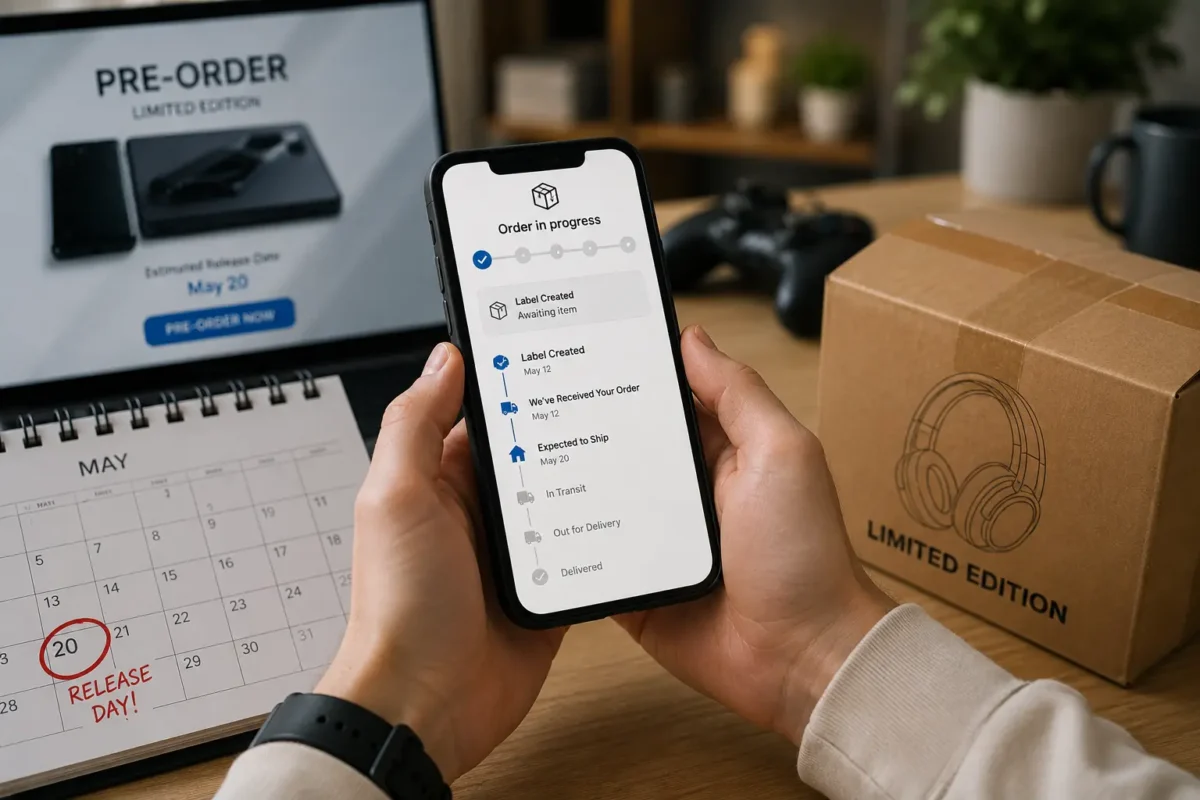

Pre‑orders have become a big part of modern shopping. People reserve the latest smartphones, gaming consoles, sneakers and other limited‑run products months before release. Pre‑orders help companies gauge demand and give early customers peace of mind that they will get a product that might sell out quickly. However, waiting for a pre‑order is rarely as simple as waiting for a normal package. Because the item may still be in production or awaiting a shipment window, the tracking timeline can look confusing. This article explains why pre‑order tracking feels different, how to interpret common status messages and what you can do to stay informed until your new gadget or collectible finally ships.
Why Pre‑Order Tracking Works Differently
With a regular online purchase, the retailer packs your item and hands it to a carrier within a day or two. The tracking number quickly shows scan events as it moves from the seller’s warehouse to a sorting facility and then onto delivery trucks. Pre‑orders, by contrast, may sit idle for weeks or even months. Retailers often generate shipping labels early to reserve stock and allocate carriers, but nothing actually moves until the product is manufactured and released. That’s why you might see a status like “Label Created” or “Pre‑Shipment” for several days.
Modern delivery systems rely on checkpoint scans rather than live GPS on each package. When a parcel arrives at a checkpoint—like a warehouse, airport, or customs facility—a worker or automated scanner reads its barcode and uploads the time and location. Between those scans, the package can be on a truck or in the hold of a plane for many hours without generating new data. This gap often leads people to refresh tracking pages repeatedly. Universal tracking tools help by consolidating all carriers into a single timeline, but they can’t generate updates when a package is simply moving between scan points.
Common Reasons Pre‑Orders Are Delayed
- High demand and limited supply. When a highly anticipated product launches, orders are fulfilled in batches. Some people who place orders just seconds apart may see their shipping dates differ by days or weeks. During recent console and smartphone releases, companies warned that early reservations might not arrive by the official launch because manufacturing couldn’t keep up with demand.
- Supply‑chain disruptions. Natural disasters, port congestion and raw‑material shortages can push back manufacturing schedules. In 2025, supply‑chain issues and labour strikes caused many retailers to miss promised release dates, leading to waves of pre‑orders shipping later than expected.
- Incomplete customs or export paperwork. For international launches, pre‑orders must clear customs. If the seller provides incomplete information or the item is regulated, it might be held until additional forms are filed.
- Shipping labels created too early. Retailers sometimes print labels before the product leaves the factory. The tracking number exists, but the first physical scan may not occur for days. This is common for pre‑orders tied to a future release date and doesn’t mean your order is lost.
How to Track a Pre‑Order Like a Pro
1. Understand the timeline. Check the estimated release date from the seller and add a buffer for processing and shipping. During major launches, orders are shipped in waves rather than all at once. If the release date changes, your shipping window will shift as well.
2. Look for the first physical scan. The initial status of a pre‑order often says “Label Created” or “Awaiting Item.” The first meaningful update is when the package is scanned at a sorting facility. Only after this scan does the parcel start its journey through the delivery network.
3. Use a universal tracking tool. Instead of visiting multiple carrier websites, enter your tracking number into a universal tool to see the entire journey in one place. These platforms combine data from many couriers and display the last scanned location and timestamp. They also show when a package passes from one carrier to another, which is helpful for cross‑border shipments.
4. Turn on notifications. Real‑time alerts tell you when a package clears customs, arrives at a local facility or is out for delivery. Surveys show that around two‑thirds of consumers check their delivery status at least once per day, and more than one in four check multiple times. Instead of refreshing a web page, let automated alerts do the work.
5. Be patient during “quiet” periods. Tracking gaps of 12–48 hours are normal because packages aren’t scanned while in transit. During international shipping, updates may appear in bursts after crossing borders or clearing customs. If your order has been inactive for more than a week past its promised ship date, contact the retailer or carrier.
6. Document everything. Keep order confirmations, receipts and screenshots of your tracking history. If you need to file a missing‑mail search, many postal services require the shipment date, destination and a list of contents. Having this information ready speeds up investigations.
What to Expect With Today’s High‑Demand Releases
Pre‑orders are especially common for items with limited production runs—such as collector’s editions, sneaker drops, special‑edition electronics or vinyl albums. During recent releases, some customers received shipping notifications weeks before their packages actually moved. Others saw their delivery estimates pushed back due to supply constraints. These examples highlight why it’s important to focus on the first scan and not panic when the status hasn’t changed overnight.
Delivery expectations have also shifted. A survey of shoppers found that real‑time tracking transparency was so valuable that 43 % would accept slower shipping in exchange for more visibility. Another study showed that proactive notifications of delays reduced customer support requests by about three‑quarters. When a pre‑order seems stuck, clear communication from the seller and reliable tracking data reduce frustration and build trust.
Looking Ahead: Smarter Pre‑Order Tracking
Logistics technology keeps improving. Carriers are adding RFID and AI‑powered sorting systems that scan thousands of packages simultaneously and predict delivery times based on route data. These innovations reduce mis‑sorting and speed up processing, which should make pre‑order shipping more predictable over time. Consumers already expect features like live maps showing how many stops away their delivery is and dynamic estimated delivery windows.Even with advanced technology, patience is still a necessary part of pre‑ordering. Because production schedules, supply shortages and customs rules vary, pre‑orders will never ship as quickly as regular purchases. The best way to stay informed is to use a universal tracking service that consolidates updates from every carrier. To see the status of your pre‑order across borders and carriers, check tracking here. You’ll have a single timeline showing when your item finally enters the shipping network and when it’s getting close to your door.
Also Read
- Innovative Technologies in Metalworking Equipment
- Pendeja Meaning in English: Definition, Usage, Cultural Context, and Real-Life Examples
- Pendeja Meaning in English: Definition, Usage, Cultural Context, and Real-Life Examples







Leave a Comment