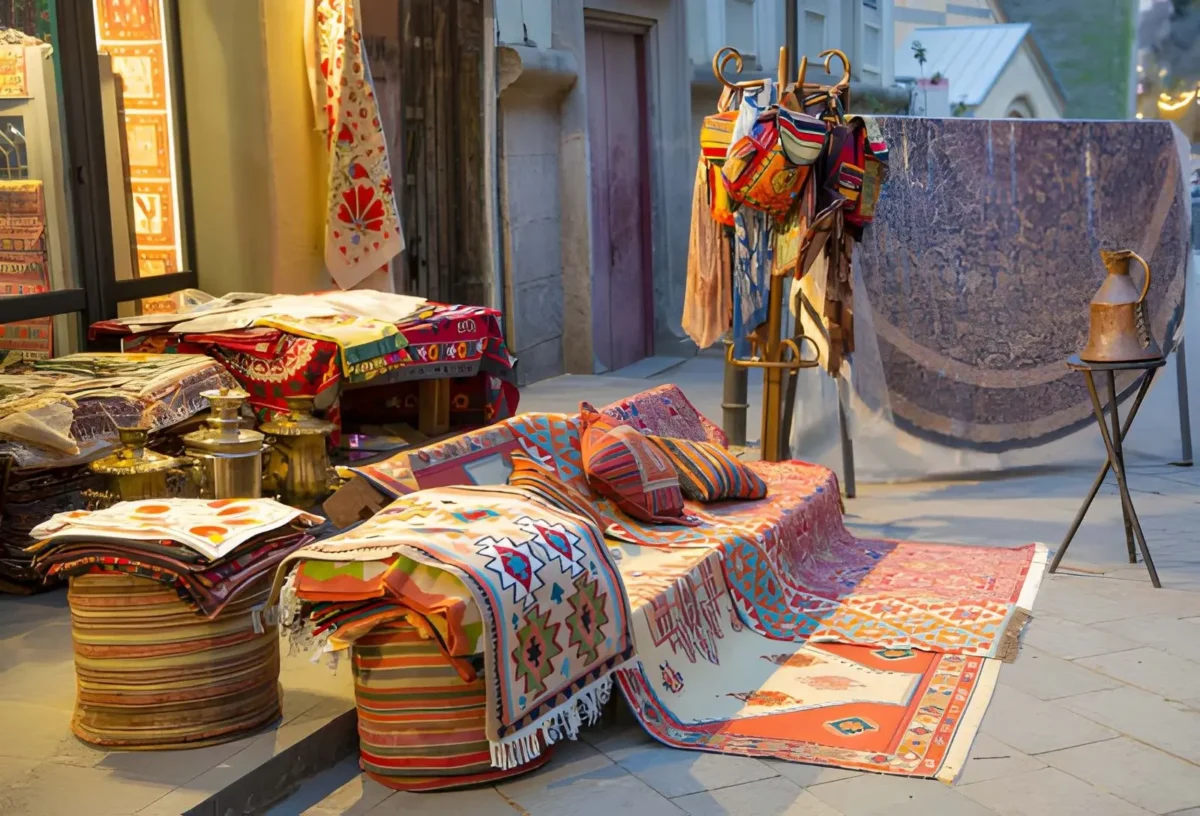

For centuries, Persian rugs have been admired for their exceptional craftsmanship, intricate designs, and remarkable durability. Today, homeowners and interior designers continue to value these timeless pieces for their ability to add warmth, elegance, and character to any space.
As interest in Persian rugs in Australia continues to grow, many buyers are surprised by the price difference between handmade Persian rugs and machine-made alternatives. While the initial investment may be higher, understanding the artistry, materials, and time involved in creating these rugs explains why they command a premium.
Specialists such as Bijan Exclusive Rugs help customers appreciate the heritage and value behind every handcrafted piece.
Unlike mass-produced floor coverings, handmade Persian rugs are works of art that represent generations of traditional weaving techniques. Every rug tells a story through its patterns, colours, and craftsmanship, making it far more than a decorative accessory.
Every Rug Is Handcrafted
One of the primary reasons handmade Persian rugs cost more is the amount of manual labour involved in their creation.
Each rug is individually woven by skilled artisans using traditional knotting techniques that have been passed down through generations. Depending on the design and size, a single rug may contain hundreds of thousands—or even millions—of individual knots.
Unlike machine-made rugs that can be produced quickly, handcrafted rugs require patience, precision, and exceptional attention to detail.
The result is a unique piece that reflects the skill and dedication of its maker.
The Process Takes Months—or Even Years
Creating a handmade Persian rug is not a fast process.
Large or highly detailed rugs may take several months or even years to complete.
The production process often includes:
- Preparing the loom
- Hand-spinning fibres
- Dyeing yarn
- Creating intricate patterns
- Knotting each section by hand
- Washing and finishing
Every stage contributes to the overall quality and longevity of the finished rug.
According to Bijan Morshedizadeh, the time invested in hand-knotting each rug is one of its greatest strengths. The careful craftsmanship ensures every finished piece possesses a level of individuality and durability that cannot be replicated through mass production.
Premium Natural Materials
Another major factor influencing price is the quality of the materials used.
Traditional handmade Persian rugs are often crafted using premium natural fibres such as:
- Wool
- Silk
- Cotton
High-quality wool offers softness, resilience, and excellent durability, while silk adds remarkable detail, texture, and sheen to intricate designs.
Natural fibres also age beautifully, often developing additional character over time.
Compared with many synthetic materials used in machine-made rugs, premium natural fibres contribute significantly to both appearance and longevity.
Natural Dyeing Techniques
Many authentic Persian rugs use natural dyes derived from plants, minerals, and other organic sources.
These traditional dyes produce rich, complex colours that mature gracefully as the rug ages.
Natural dyeing requires specialised knowledge and careful preparation, adding both time and expertise to the manufacturing process.
The resulting colours often possess greater depth and variation than synthetic alternatives, enhancing the rug’s visual appeal.
Intricate Designs Require Exceptional Skill
Persian rugs are renowned for their elaborate patterns and symbolic motifs.
Common design elements include:
- Floral medallions
- Geometric borders
- Garden scenes
- Tribal motifs
- Curvilinear patterns
Reproducing these intricate designs by hand demands years of training and exceptional concentration.
Even slight inaccuracies can affect the symmetry and balance of the final piece, making experienced craftsmanship essential.
Businesses like Bijan Exclusive Rugs carefully select handcrafted rugs that showcase these traditional weaving techniques while preserving the authenticity that collectors and homeowners value.
Every Rug Is Unique
No two handmade Persian rugs are completely identical.
Small variations in colour, knot placement, and pattern reflect the artisan’s individual craftsmanship rather than manufacturing defects.
These subtle differences add character and authenticity, making each rug a genuine one-of-a-kind creation.
Machine-made rugs, by comparison, are designed to produce identical copies with little variation.
For many buyers, the uniqueness of a handmade rug is one of its greatest attractions.
Exceptional Durability
Although handmade Persian rugs generally require a higher initial investment, they are widely recognised for their longevity.
With appropriate care and maintenance, many handcrafted rugs remain in excellent condition for decades and are often passed down through generations.
Their dense hand-knotting provides excellent structural integrity, making them well suited to both residential and commercial environments.
As Bijan Morshedizadeh explains, a well-crafted Persian rug is designed to endure everyday use while maintaining its beauty over time. Its long lifespan often makes it a worthwhile investment compared with floor coverings that require more frequent replacement.
Cultural Heritage and Tradition
Handmade Persian rugs represent centuries of artistic and cultural heritage.
Many weaving regions have developed distinctive styles, techniques, and patterns that reflect local history and traditions.
Purchasing a handmade rug supports the preservation of these traditional skills while celebrating an art form that continues to be admired around the world.
This cultural significance adds an intangible value that extends beyond the physical materials used in each rug.
Attention to Quality
Authentic handmade Persian rugs undergo careful inspection throughout the weaving and finishing process.
Artisans pay close attention to:
- Knot consistency
- Pattern accuracy
- Colour balance
- Material quality
- Edge finishing
- Overall craftsmanship
This commitment to quality ensures the finished rug meets high standards before reaching customers.
The detailed workmanship contributes directly to both appearance and long-term performance.
Long-Term Value
While handmade Persian rugs generally cost more upfront, many buyers view them as a long-term investment rather than a short-term purchase.
Benefits include:
- Exceptional durability
- Timeless style
- Unique craftsmanship
- Natural materials
- Potential heirloom value
Unlike many mass-produced furnishings that depreciate over time, a well-maintained handmade rug often retains its appeal for generations.
Choosing a quality handcrafted rug allows homeowners to enjoy both practical functionality and lasting aesthetic value.
Providers such as Bijan Exclusive Rugs help customers select rugs that complement their homes while appreciating the heritage, artistry, and enduring quality behind every handcrafted piece.
Reflecting on the enduring popularity of authentic Persian rugs, Bijan Morshedizadeh notes that their true value lies not only in their visual beauty but also in the generations of craftsmanship, tradition, and dedication woven into every knot. This combination of artistry and durability is what continues to distinguish handmade Persian rugs from mass-produced alternatives.
Conclusion
Handmade Persian rugs cost more because they represent far more than decorative floor coverings. Each piece reflects months or years of skilled craftsmanship, premium natural materials, intricate hand-knotting, traditional dyeing methods, and centuries of cultural heritage. Their durability, uniqueness, and timeless appeal make them a valuable addition to any home.
For homeowners seeking authenticity, quality, and lasting beauty, investing in a handmade Persian rug offers rewards that extend well beyond its purchase price. With proper care, these remarkable works of art can be enjoyed for generations, becoming treasured pieces that enrich both homes and family histories.
Also Read
- Innovative Technologies in Metalworking Equipment
- How Bookkeeping Services Enhance Business Planning
- Clear Thinking, Clear Habits: How Structure Improves Everyday Life







Leave a Comment