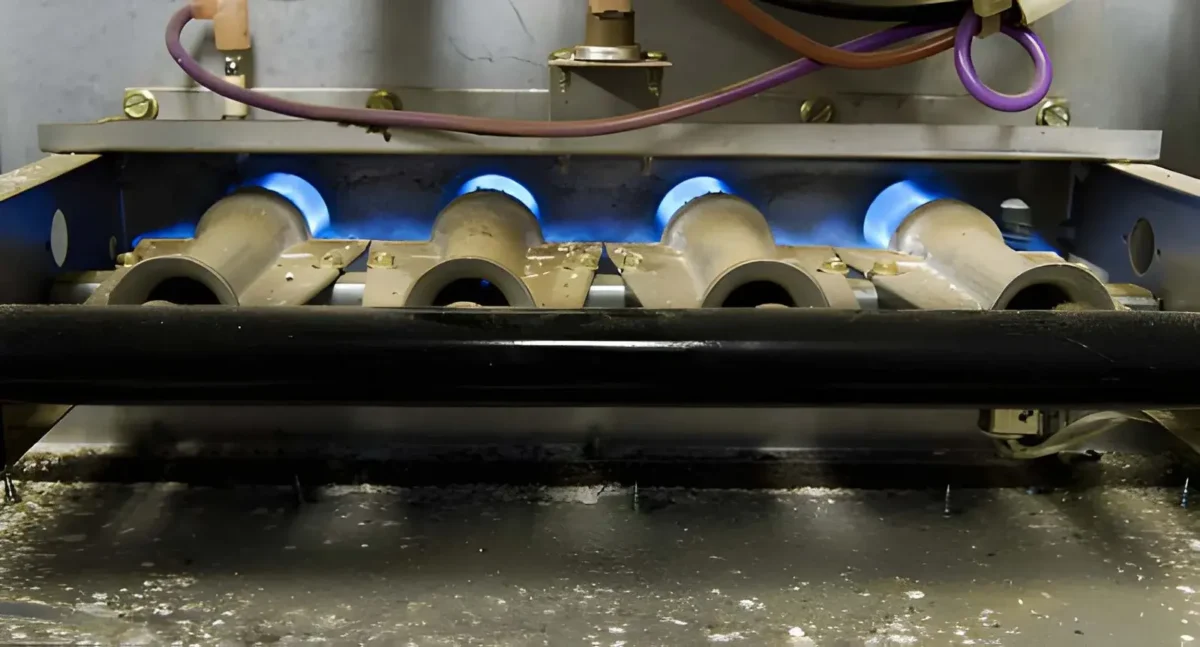

A furnace that shuts down just as the blower starts can be a frustrating and confusing problem for homeowners. This issue often arises unexpectedly, especially during colder months when reliable heating is essential. Understanding why your furnace behaves this way is crucial for maintaining comfort and safety in your home. Several factors can contribute to this malfunction, ranging from simple airflow obstructions to more complex electrical or mechanical failures. Identifying the root cause not only helps restore warmth but also prevents further damage to your heating system. Knowing what to look for can save time, money, and unnecessary stress.
Common causes and troubleshooting steps
How the Furnace and Blower Work Together
The furnace and blower are two integral components of your home’s heating system, working in tandem to distribute warm air throughout your living space. When the thermostat signals for heat, the furnace ignites and begins to warm the air. Once the air reaches the desired temperature, the blower motor activates, pushing the heated air through the ductwork and into your rooms. This sequence is carefully timed and controlled by a series of sensors and switches. If any part of this process is disrupted, such as a delay in ignition or a malfunctioning sensor, the system may shut down as a safety precaution. This is why a furnace that turns off just as the blower starts often points to a breakdown in communication between these components. Understanding this relationship is key to diagnosing why your furnace may be shutting down at this critical moment.
Airflow Restrictions and Filter Issues
One of the most common reasons a furnace shuts down when the blower starts is restricted airflow. The furnace relies on a steady flow of air to operate efficiently and safely. If the air filter is clogged with dust, pet hair, or other debris, it can significantly reduce the amount of air passing through the system. This restriction causes the furnace to overheat, triggering safety switches that shut down the unit to prevent damage. In some cases, blocked vents or closed registers can also impede airflow, leading to similar shutdowns. Homeowners often overlook the importance of regular filter changes, but this simple maintenance task can prevent many operational issues. If your furnace consistently shuts down as the blower starts, checking and replacing the air filter is a logical first step. Ensuring that all vents are open and unobstructed can also help maintain proper airflow and prevent unnecessary shutdowns.
Electrical and Sensor Malfunctions
Electrical and sensor malfunctions are another frequent cause of furnace shutdowns when the blower engages. Modern furnaces are equipped with a variety of sensors, including flame sensors, limit switches, and pressure switches, all designed to monitor the system’s operation and ensure safety. If any of these sensors detect an abnormal condition, such as a lack of flame or excessive heat, they will signal the control board to shut down the furnace. Wiring issues, loose connections, or faulty relays can also disrupt communication between the furnace and blower, causing the system to power down unexpectedly. In some cases, the blower motor itself may be drawing too much current or failing to start properly, which can trip circuit breakers or blow fuses. If you suspect an electrical or sensor issue, it is important to address it promptly to avoid further complications. Many homeowners turn to a furnace repair service to accurately diagnose and resolve these types of problems, as working with electrical components can be hazardous without proper training.
The Role of the Limit Switch
The limit switch is a critical safety device in your furnace that monitors the temperature inside the heat exchanger. If the temperature rises above a safe threshold, the limit switch will shut down the furnace to prevent overheating and potential fire hazards. This shutdown often occurs just as the blower starts, since the sudden movement of air can reveal an already overheated condition. A malfunctioning limit switch may also send false signals, causing the furnace to turn off prematurely. Dust buildup, worn-out components, or improper calibration can all affect the performance of the limit switch. Regular inspection and cleaning of this device can help ensure it functions correctly. If the limit switch is faulty, it should be replaced to restore normal furnace operation and maintain safety.
Short Cycling and Its Impact
Short cycling is a term used to describe a furnace that turns on and off rapidly, often before reaching the desired temperature. This behavior can be caused by a variety of issues, including oversized equipment, thermostat malfunctions, or restricted airflow. When short cycling occurs, the furnace may shut down just as the blower starts, preventing the system from completing a full heating cycle. This not only reduces comfort but also increases wear and tear on the furnace components, leading to more frequent breakdowns and higher energy bills. Addressing the underlying cause of short cycling is essential for restoring efficient operation and prolonging the life of your heating system. Regular maintenance, proper sizing, and thermostat calibration can all help prevent this disruptive issue.
When to Call for Professional Help
If your furnace continues to shut down as the blower starts despite basic troubleshooting, it may be time to seek professional assistance. Persistent problems can indicate deeper mechanical or electrical faults that require specialized tools and knowledge to diagnose. Attempting complex repairs without the proper training can be dangerous and may void your warranty. A qualified technician can perform a thorough inspection, identify the root cause, and recommend the most effective solution. Timely intervention not only restores comfort but also helps prevent costly damage to your furnace and home.
Preventive Maintenance Tips
Regular maintenance is the key to preventing furnace shutdowns and ensuring reliable performance throughout the heating season. Scheduling annual inspections, changing air filters every few months, and keeping vents clear of obstructions can go a long way in maintaining your system’s health. Technicians can also check for worn-out parts, clean critical components, and calibrate sensors to ensure everything is functioning as it should. Investing in preventive care not only reduces the risk of unexpected breakdowns but also extends the lifespan of your furnace and improves energy efficiency.
Conclusion
A furnace that shuts down just as the blower starts can be a sign of several underlying issues, from airflow restrictions and dirty filters to electrical malfunctions and faulty sensors. Understanding how your furnace and blower work together, and recognizing the warning signs of trouble, can help you address problems before they escalate. Regular maintenance and timely repairs are essential for keeping your heating system running smoothly and efficiently. If basic troubleshooting does not resolve the issue, seeking professional help is the safest and most effective way to restore warmth and comfort to your home. Taking these steps ensures your furnace remains a reliable source of heat during the coldest months of the year.
Also read
- Life Fitness: Revolutionizing Wellness and Exercise Solutions
- Innovative Technologies in Metalworking Equipment
- Comprehensive Guide to In Home Nursing Services







Leave a Comment