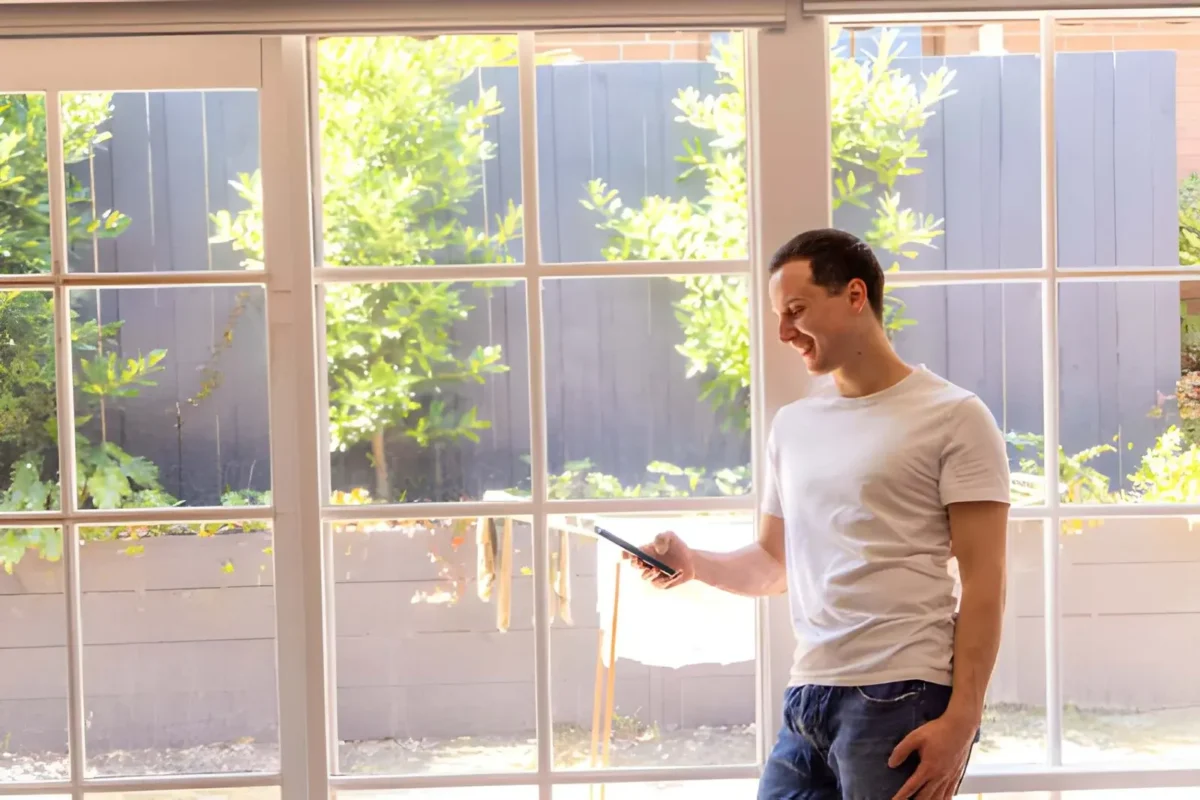

Recent property data highlights a growing trend across Australia where families prefer to renovate rather than relocate. Residential renovation work has increased by over 6 percent year-on-year. This is largely driven by a strong desire to upgrade current spaces with smart, sustainable technologies rather than facing the competitive property market. One of the most significant shifts in home improvement is the move away from traditional heavy curtains and bulky blinds. Instead, residents are turning to innovative window treatments that offer seamless control over natural light and privacy. Switchable smart glass is rapidly becoming a staple in these modern renovations, offering a sleek solution that meets the rigorous demands of contemporary Australian living.
What Is Switchable Smart Glass?
At its core, this advanced window technology relies on Polymer-Dispersed Liquid Crystal (PDLC) and electrochromic systems. These specialised materials allow glass panels to transition seamlessly from completely transparent to frosted and opaque in a fraction of a second. The transformation happens via a low-voltage electrical current. When the power is on, the current aligns the liquid crystals to let light pass through clearly. When the power is switched off, the crystals scatter randomly to block external visibility and create a frosted privacy barrier.
For those looking to update their existing spaces without tearing out window frames, retrofitting standard windows with an applied smart film is a highly popular alternative. It provides a cost-effective way to achieve modern privacy without the mess of structural demolition. Homeowners exploring these smart film installations can view options at https://aismartglass.com.au/, a provider specialising in automatic window tinting and switchable solutions. This straightforward upgrade completely transforms how rooms feel and function, giving residents total control over their environment at the touch of a simple button or through a smartphone app.
The Core Benefits Driving the Switch
The rapid adoption of smart glass goes far beyond simple aesthetics. Australian homeowners are increasingly prioritising functional upgrades that align with new environmental regulations and reduce overall living costs. Upgrading to switchable windows offers several tangible advantages for modern households:
- Instant Privacy on Demand: Whether it is a street-facing bedroom, a ground-floor bathroom, or an open-plan living area, smart glass provides immediate seclusion without completely blocking out natural daylight.
- Enhanced UV Protection: Modern switchable smart films block a significant percentage of harmful ultraviolet rays. This protects expensive interior furnishings, artwork, and timber flooring from severe sun damage and fading during harsh Australian summers.
- Improved Energy Efficiency: Standard windows can account for up to 87 percent of a home’s heat gain during the summer months. With the National Construction Code now mandating a minimum 7-star thermal performance rating for new residential builds, advanced glazing is critical. Smart glass helps regulate indoor temperatures, which is especially important given recent residential electricity price hikes across the eastern states.
- Low Maintenance and Hygiene: Unlike fabric curtains or slatted blinds that gather dust, pet dander, and allergens over time, flat glass surfaces are incredibly easy to clean and maintain. A simple wipe down is all that is required, making them an ideal choice for allergy sufferers.
Seamless Integration with Modern Smart Homes
Australia is currently experiencing a massive surge in home automation. As of mid-2026, over 86 percent of Australian households own at least one smart home product. More than 70 percent of these households now allocate a specific budget for this technology, with the average spend increasing to over $3,500 as residents invest heavily in energy management and property upgrades. Smart glass fits perfectly into this interconnected residential ecosystem.
Switchable films and smart glass systems are increasingly being integrated into centralised artificial intelligence home automation hubs. This setup allows residential window transparency to adjust automatically based on various internal and external factors. For example, the glass can be programmed to frost over when internal temperatures peak during the afternoon sun, significantly reducing the cooling load on household air conditioning units. Alternatively, it can be set to turn opaque at nightfall for automatic privacy or respond directly to room occupancy sensors so that windows frost the moment someone enters a bathroom.
A Future-Proof Investment for Australian Properties
The global smart glass market continues to see double-digit growth for very good reason. As the broader construction sector pushes toward sustainable, energy-saving infrastructure, everyday homeowners are reaping the benefits directly in their living spaces. Upgrading to switchable smart glass or applying a PDLC smart film provides an elegant, highly functional alternative to outdated window dressings.
By offering instant privacy, protecting interiors from harsh sunlight, and contributing to overall household energy efficiency, this technology represents the ultimate modern home improvement. For Australians looking to future-proof their properties while enhancing their daily comfort, smart glass is clearly a worthwhile and transformative investment.
Also Read
- transform-your-space-with-expert-printing-and-framing-solutions/
- transform-your-look-with-the-best-hair-perm-in-perth/
- comparing-diy-bed-liner-spray-kits/







Leave a Comment