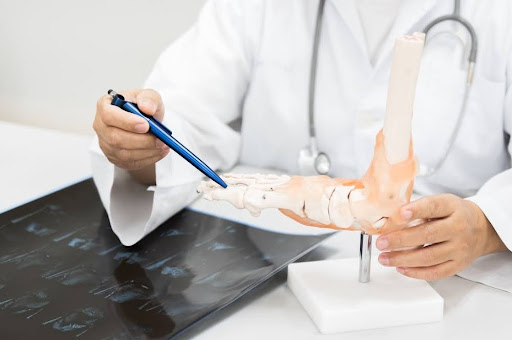

A broken bone can change ordinary plans in a matter of seconds. A trip to work may become a hospital visit, and simple tasks such as walking, driving, or cooking may suddenly require help. Yet an injury alone does not automatically create a legal claim. The facts behind the fall matter, especially the property condition and the actions of the person responsible for it. A broken bone injury after a slip and fall may become part of a claim if another party’s negligence played a role. Here is what usually matters. Injury alone never settles the legal question right now.
A Broken Bone Alone Is Not Enough
A fracture can bring medical bills, missed work, pain, and a long recovery. Still, a serious injury does not by itself prove that a property owner is responsible. A potential claim usually depends on whether a dangerous condition existed and whether the responsible party failed to take reasonable care.
Premises liability rules can apply to falls on many types of property. The details vary by state, so each accident must be considered based on its facts.
The Property Had a Dangerous Condition
The property condition is often a major part of a slip and fall case. A person may fall because a floor is wet, a stair is damaged, or a walkway has an uneven surface. Poor lighting or a missing handrail may also create a safety problem.
The hazard should also be connected to the fall. A problem elsewhere on the property may not matter if it did not cause the accident.
Did Someone Know About the Hazard?
Knowledge of the hazard can become an important issue. A property owner or employee may have known about a spill, broken step, or other unsafe condition before the fall. Reports, employee statements, or other evidence may help show what was known.
A claim may also involve a condition that existed long enough that the property owner should reasonably have discovered it. A spill left on a store floor for an extended period may raise different questions from one that appeared moments before an accident. State law and the facts determine how notice is considered.
Connecting the Fall to the Broken Bone
There needs to be a clear connection between the property condition, the fall, and the injury. Medical records can document the fracture and treatment. Prompt medical care can also create a record of what doctors found after the accident.
Other evidence may include photographs, witness details, incident reports, and security footage. Keeping medical bills and information about missed work can help document losses linked to the injury.
Compensation May Cover More Than the Hospital Bill
A serious fracture can affect more than immediate medical costs. Depending on the circumstances and applicable law, a legal claim may involve medical expenses, lost income, future medical costs, pain and suffering, and other losses allowed by law.
The amount and type of compensation can depend on the injury, evidence, insurance coverage, and state rules. A broken wrist, hip, or leg may also affect work or daily activities.
Your Own Actions May Also Matter
A property owner may not be the only issue considered after a fall. The injured person’s actions may also be examined under the laws of the state where the accident occurred. Questions may arise about whether a hazard was clearly visible or whether reasonable care was taken while walking through the area.
Rules on shared fault differ from state to state, so the surrounding facts and applicable law matter.
What to Do After a Slip and Fall
Good records can help keep track of what happened and how the injury affected daily life. After receiving medical care, consider keeping:
- Medical records, bills, and treatment details
- Photos of the area and the condition that caused the fall
- Names and contact details of witnesses
- A copy of any accident or incident report
- Records showing missed work or lost income
Avoid guessing about unclear facts.
When a Broken Bone May Support a Legal Claim
A fracture can create major costs and disruption, but the legal question still comes down to responsibility. If a dangerous property condition caused the fall and the facts support negligence by the responsible party, a legal claim may be possible under applicable law.
A broken bone injury after a slip and fall can involve medical records, property evidence, witness accounts, and questions about notice and shared fault. These matters depend on state law and individual facts, so professional legal analysis may be needed before deciding what options are available. A clear record of the accident, injury, and losses is a useful starting point.
Read more: What Rights Does a Spouse Have After Wrongful Death in Salt Lake City, UT?
Important Legal Considerations in Workplace Sexual Assault Cases
What Legal Help Is Available for Toxic Exposure Victims?

Leave a Comment