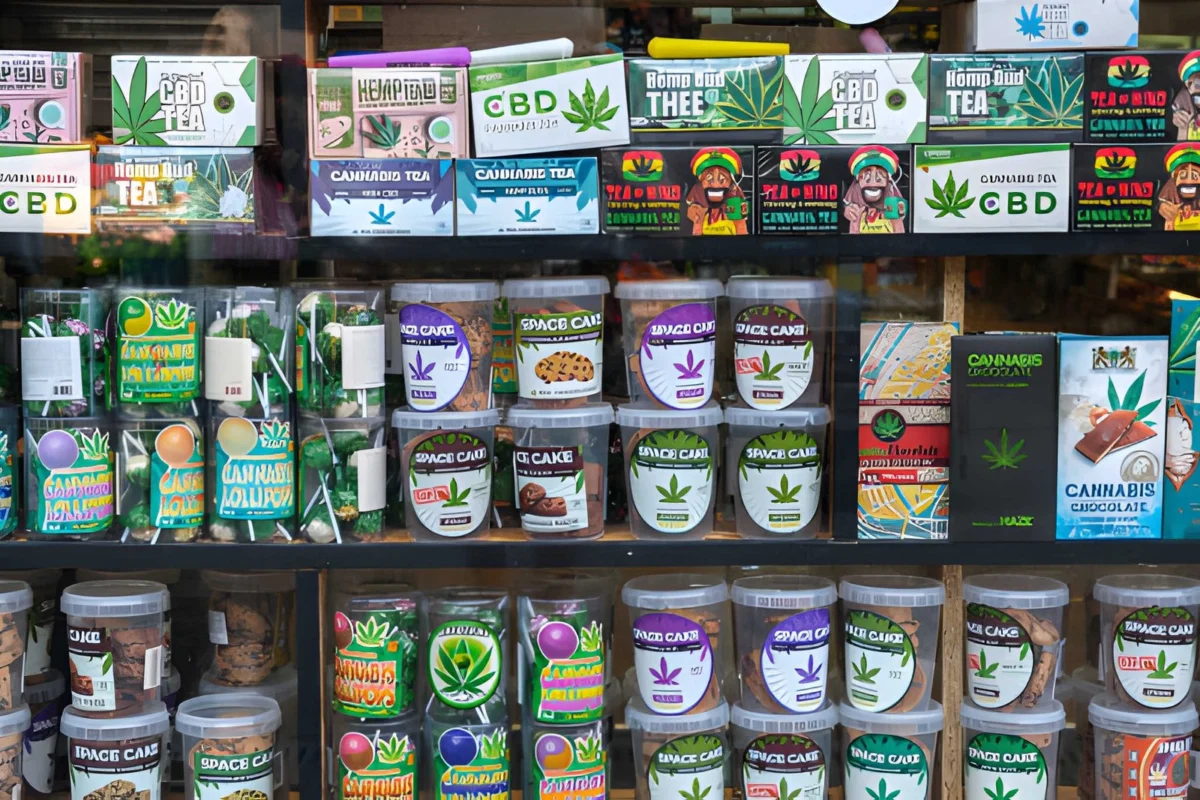

Shopping for CBD can feel straightforward until you turn the bottle and start deciphering numbers, abbreviations, and bold front-label promises. The most useful information is rarely the largest type on the package. It lives in details like milligrams per serving, spectrum type, batch numbers, and the Certificate of Analysis. Understanding what each item means helps you match a product to your comfort with THC, your flavor preferences, and how quickly you want it to take effect. This guide walks through the parts of a label that matter, what to confirm on a third-party lab report, and practical trade-offs between tinctures, gummies, topicals, and more.
- What the Front of a CBD Label Does and Doesn’t Tell You
Many bottles highlight total cannabinoids per container, such as 1,000 mg, which is not the same as milligrams per serving. To get a realistic number, divide the total milligrams by the bottle size. A 30 mL tincture containing 1,000 mg delivers about 33 mg/mL. Droppers are often marked at 0.25, 0.5, 0.75, and 1.0 mL, so a half dropper equals roughly 16 mg. If you are comparing bottles in person at Capital CBD American Shaman, use the dropper markings and serving panel together to avoid guessing. For gummies, the unit is usually per piece, such as 10 mg or 25 mg each.
Watch for wording that can mislead. “Hemp oil” is not the same as “CBD oil.” Hemp seed oil contains beneficial fats but no naturally occurring CBD. “Extra strength” is marketing language unless backed by a clear milligrams-per-serving figure. Products may mention nanotechnology or emulsifiers for dispersion in water. Those can affect mouthfeel and clarity, but the key metric remains verified cannabinoid content per serving.
- How to Read the Certificate of Analysis (COA) Like a Pro
A third-party COA verifies what the label claims. It should list cannabinoids by name, such as CBD, delta-9 THC, CBG, and CBN, with amounts per gram or per serving. Match the product batch number and test date on the COA to the package. “ND” means nondetectable within the lab’s test limits. For hemp-derived CBD, delta-9 THC should be at or below 0.3 percent by dry weight. If you see totals that don’t align with the front label, ask how the serving math was calculated and look for a newer batch if the report is old.
Potency is only part of the picture. Reputable COAs also include contaminant screens. Scan for pesticide residues, heavy metals such as lead and arsenic, residual solvents such as ethanol or butane (when applicable), and microbial contaminants including yeast and mold. The results column should show “pass” or be below action limits. Terpene profiles are a bonus, listing compounds like myrcene, limonene, or linalool that influence aroma and flavor. A missing COA or a QR code that does not load valid results is a red flag.
- Spectrum Types and THC: Choosing What Fits Your Limits
Full-spectrum products contain CBD along with trace delta-9 THC and minor cannabinoids. The THC must remain within hemp limits, but it is present. Broad-spectrum products retain multiple cannabinoids and terpenes with THC removed to undetectable levels. Isolates contain only CBD. If you are subject to workplace drug testing or prefer to avoid THC entirely, broad-spectrum or isolate reduces that risk. If you want a product that mirrors more of the plant’s native compounds, full-spectrum provides that, but with the trade-off of trace THC on the label and COA.
Scenario: You pick up two 30 mL tinctures, each labeled 1,000 mg. One says full-spectrum, the other broad-spectrum. The full-spectrum COA lists CBD at 33 mg/mL and delta-9 THC at 0.2 percent by weight. The broad-spectrum COA shows CBD at the same strength but “ND” for THC and trace CBG. Both match the front label, but your choice hinges on your sensitivity to THC and any testing constraints rather than total CBD alone.
- Form Factor and Carrier Oils: Onset, Flavor, and Absorption
Tinctures taken sublingually can be felt sooner than gummies because some absorption happens through oral tissues, typically within 15 to 45 minutes, depending on how long you hold the liquid under the tongue. Gummies, softgels, and chocolates pass through the digestive system and may take 45 to 120 minutes to begin working. Topicals like balms and roll-ons are designed for application to the skin and do not list a per-serving milligram for ingestion. Vapes act fastest but are not for everyone. Choose timing based on your day. For example, a midday gummy is discreet but slower. An evening tincture allows more precise milliliter-based adjustments using the calibrated dropper.
Carrier oils influence taste and texture. MCT oil is neutral and stays fluid in cooler temperatures. Hemp seed oil has a nutty flavor but does not add CBD on its own. Olive oil is thicker and may coat the mouth. Gummies vary too: gelatin-based formulas are not vegan, while pectin-based are. Check for sugar content, sugar alcohols, or allergens like tree nuts. Emulsifiers such as sunflower lecithin or polysorbate 80 can affect how evenly cannabinoids remain suspended. Trade-offs are real: gummies taste better but add calories and may contain artificial flavors, while tinctures offer fewer additives but a stronger botanical taste.
- Consistency After Purchase: Storage, Timing, and Self-Checks
Once you pick a product, consistency helps you evaluate it fairly. Store tinctures in a cool, dark place. Amber glass protects from light, but leaving a bottle in a hot car can degrade cannabinoids and thicken carriers. Shake tinctures before use to redistribute suspended compounds. Use the same time of day initially, and measure the same volume with the dropper lines to keep servings comparable. For gummies, choose a uniform piece size and avoid cutting them unevenly, which can lead to inconsistent intake.
A simple use log can be as brief as including the date, serving size, timing, and any observations about flavor or onset timing. This makes it easier to adjust by small increments rather than doubling a serving out of frustration. Avoid operating a vehicle until you know how a new product makes you feel, especially with full-spectrum items that include trace THC. Keep products out of reach of children and pets, and check dates on both the label and COA when you restock so you are not comparing an older batch to a newer formulation.
CBD labels carry enough detail to make a confident choice once you know where to look. Start with milligrams per serving instead of the front-of-bottle total. Match label claims to a current, batch-specific COA, and make spectrum decisions based on your tolerance for THC, not hype. Pick a form and carrier that fit your schedule and preferences, then control what you can after purchase by storing products well and using consistent serving sizes. Those habits turn a cluttered shelf of options into a short list of products that suit your goals without guesswork.
How Advanced Imaging Technology Is Improving Medical Diagnostics
Transform Your Outdoor Space with Innovative Gravity Wall Systems

Leave a Comment