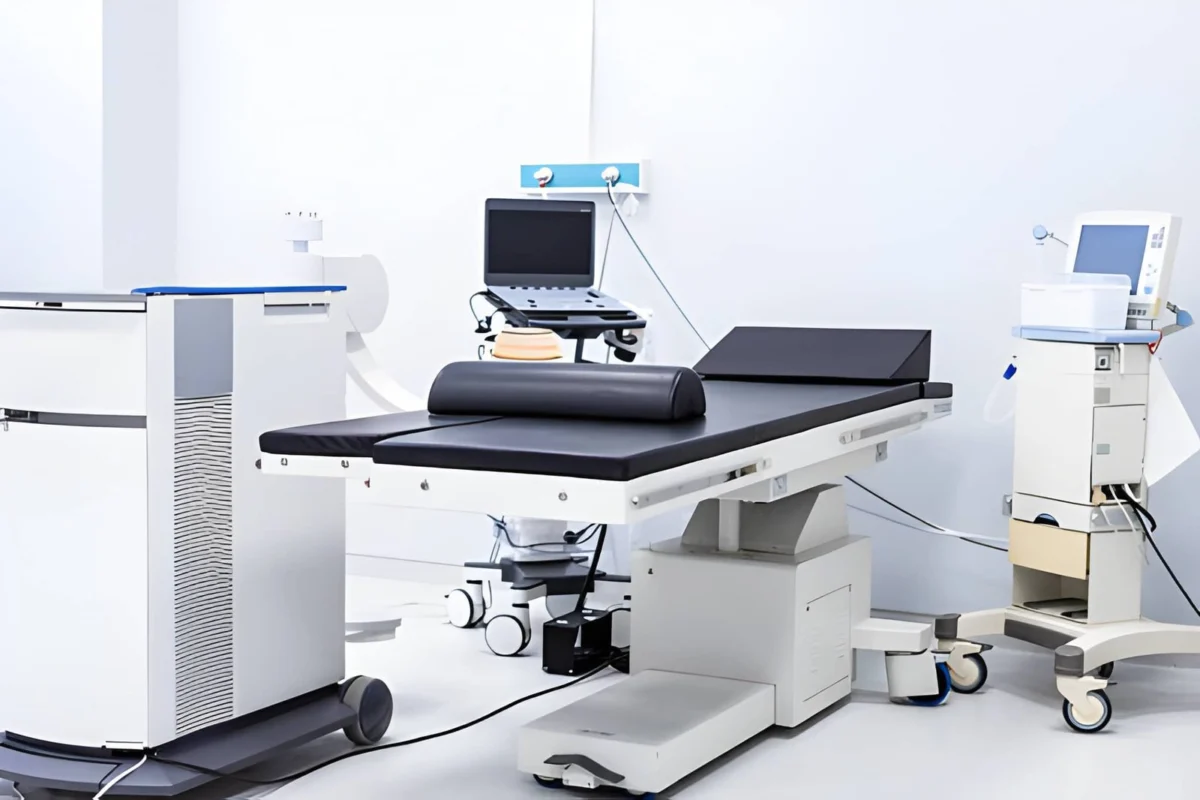

Advanced imaging technology has significantly transformed the field of medical diagnostics. As the capabilities of imaging tools evolve, they provide clinicians with enhanced precision and deeper insights, facilitating more accurate diagnoses and improved patient outcomes. One notable application of this technology is in the context of skin check in Melbourne, where state-of-the-art imaging devices are revolutionising the early detection and monitoring of skin conditions.
The Evolution of Medical Imaging
Medical imaging has progressed from basic X-rays to highly sophisticated techniques such as magnetic resonance imaging (MRI), computed tomography (CT), and ultrasound. These advancements have allowed for non-invasive visualisation of internal body structures with remarkable clarity. Continuous technological innovation further enhances resolution, contrast, and functional imaging, making it possible to identify subtle pathological changes at early stages.
Enhancing Diagnostic Accuracy
One of the primary benefits of advanced imaging technology is the improvement in diagnostic accuracy. High-definition images enable healthcare professionals to distinguish between benign and malignant tissues more effectively. This is especially crucial in dermatology, where early identification of skin anomalies can significantly influence treatment success rates and prognoses.
Role in Skin Diagnostics
In dermatological practice, advanced imaging systems offer detailed visualisation of skin layers, pigmentation patterns, and vascular structures. Techniques such as dermoscopy and digital skin imaging help clinicians detect suspicious lesions that might not be apparent to the naked eye. Access to these enhanced images supports informed decisions regarding biopsy necessity and treatment approaches.
Integration with Digital Health Records
Advanced imaging technologies are increasingly integrated with electronic health records (EHRs), facilitating seamless data storage and retrieval. This interoperability ensures that clinicians can monitor changes over time through comparative image analysis. The ability to track lesion progression contributes to personalised care and timely intervention.
Impact on Patient Experience
The utilisation of non-invasive imaging technologies improves patient comfort by reducing the need for invasive diagnostic procedures. Additionally, the speed at which images are acquired and interpreted leads to faster diagnosis and treatment initiation. This efficiency decreases patient anxiety and accelerates pathways to recovery.
Case Study: Skin Check in Melbourne
Facilities specialising in skin check in Melbourne exemplify the integration of advanced imaging in routine clinical practice. These clinics employ cutting-edge digital imaging systems to conduct comprehensive skin screenings. The availability of precise imagery aids dermatologists in identifying early signs of skin cancer, enabling prompt and potentially life-saving interventions.
Technological Innovations on the Horizon
Emerging technologies such as artificial intelligence (AI) and machine learning are poised to augment the capabilities of medical imaging. AI algorithms can analyse vast datasets to detect patterns and anomalies with high accuracy, supporting clinicians in diagnostic decision-making. Future developments may include AI-guided skin cancer screening tools that further enhance early detection rates.
Improved Accessibility and Telemedicine
Advanced imaging technology is also facilitating the growth of telemedicine. Remote consultations supported by high-quality digital images allow specialists to assess patients who are geographically distant, improving healthcare access. This approach is particularly beneficial for underserved or rural populations requiring specialised dermatological evaluations.
Challenges and Considerations
While advanced imaging technology offers numerous advantages, it also presents challenges such as the cost of equipment and the need for specialised training. Ensuring that healthcare providers remain proficient in interpreting complex images is essential to maximise the benefits. Furthermore, maintaining patient privacy and data security during digital image handling is paramount.
Conclusion
The integration of advanced imaging technology into medical diagnostics represents a significant advancement in healthcare. By enabling more precise, non-invasive, and timely assessments, these technologies enhance clinical decision-making and ultimately improve patient outcomes. Specifically, in skin health management through services such as skin check in Melbourne, these innovations are instrumental in early detection and effective treatment planning. Continued investment in imaging technology and clinician education promises even greater improvements in the diagnostic landscape in the years ahead.
Read more: Transform Your Outdoor Space with Innovative Gravity Wall Systems
Find Your Trusted Partner for Expert Legal Solutions in Australia
What to Consider When Choosing an Office Space for Lease

Leave a Comment