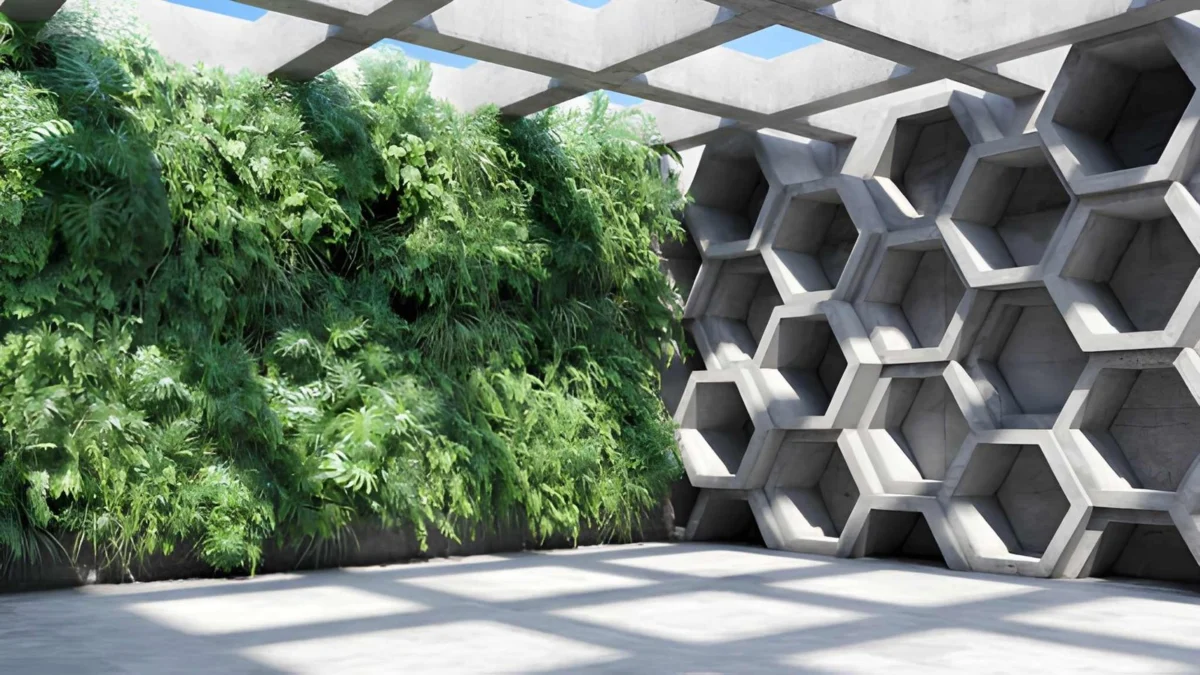

Transforming outdoor spaces into functional and aesthetically pleasing areas requires careful planning and reliable construction techniques. One highly effective method for achieving this is through the use of innovative retaining wall solutions. These systems provide structural support to landscape features, prevent soil erosion, and enhance the overall beauty of any outdoor environment.
Understanding Gravity Wall Systems
Gravity wall systems rely on their own weight to retain soil and resist lateral pressure. Unlike reinforced walls that use additional structural support such as steel or geogrid materials, gravity walls are designed to be massive and stable enough solely through their mass. This simplicity in design makes gravity wall systems a popular choice for various landscaping applications.
Materials Used in Gravity Wall Construction
Several robust materials are employed in the construction of gravity walls. Natural stone, concrete blocks, and precast concrete units are among the most common. Each material offers distinct benefits with respect to durability, appearance, and ease of installation. Concrete blocks, for example, allow for quicker assembly and uniformity, while natural stone imparts a classic and timeless aesthetic to outdoor spaces.
Applications of Gravity Wall Systems
Gravity walls are versatile and serve multiple purposes in outdoor space design. They are frequently used to create terraced gardens, provide seating areas, delineate property boundaries, and manage sloping terrain by preventing soil movement. The capability to tailor the size, shape, and finish of these walls contributes to their widespread utilisation across residential, commercial, and public landscaping projects.
Benefits of Installing Gravity Walls
One key advantage of gravity retaining walls is their durability. Constructed with high-quality materials and proper installation techniques, these walls can withstand harsh weather conditions and significant loads over extended periods. Additionally, their low maintenance requirements make them economical choices for long-term landscape management.
Design Considerations for Outdoor Transformations
Effective design of gravity walls involves considering factors such as soil type, drainage requirements, wall height, and environmental conditions. Proper drainage systems integrated within or behind the wall are vital to mitigate hydrostatic pressure, which could otherwise compromise the wall’s stability. Engineering assessments are often necessary to ensure safety and compliance with local regulations.
Integration with Landscape Features
Retaining walls built using gravity systems can harmonise seamlessly with vegetation, pathways, water features, and lighting installations. This integration enhances outdoor space usability while creating visually appealing environments. Designers often incorporate seat walls, planters, and steps into gravity wall constructions to maximise functionality.
Installation Process for Gravity Wall Systems
The installation of gravity walls begins with careful site preparation, including clearing, grading, and excavation according to the wall’s design specifications. Following this, a stable foundation comprised typically of compacted gravel or crushed stone is laid. The wall units are then placed systematically, ensuring alignment and interlocking where applicable. Backfilling and compaction behind the wall finish the process, contributing to overall structural integrity.
Professional Expertise and Maintenance
Engaging professional services for the design and construction of gravity walls is crucial. Experts possess the knowledge to select appropriate materials, ensure accurate installation, and adhere to safety standards. Additionally, while gravity walls are largely maintenance-free, periodic inspections and minor repairs may be necessary to address any settling or damage that may occur over time.
Choosing Gravity Wall Systems over Alternative Approaches
Compared to other retaining structures, gravity wall systems offer economic advantages by eliminating the need for complex reinforcements and expensive materials. Their construction is more straightforward, allowing for faster project completion without sacrificing durability or strength. Furthermore, their adaptability to different site conditions makes them an optimal choice for diverse landscaping scenarios.
Environmental Impact and Sustainability
Gravity walls contribute positively to environmental sustainability by enabling erosion control and managing stormwater runoff effectively. The use of natural stone or environmentally friendly concrete products in constructing these walls further reduces environmental footprint. Additionally, the longevity and minimal maintenance requirements of gravity walls mean less frequent need for resource consumption related to repairs or replacements.
Conclusion
Innovative gravity wall systems provide an excellent solution for transforming outdoor spaces with both practicality and style. Their structural benefits combined with aesthetic versatility enable property owners and designers to create durable, attractive, and functional landscapes. When considering retaining wall options, gravity wall systems certainly warrant serious consideration for their proven performance and cost-effectiveness in contemporary outdoor design.
Read more: Find Your Trusted Partner for Expert Legal Solutions in Australia
What to Consider When Choosing an Office Space for Lease
Renovating and furnishing with natural stone flooring

Leave a Comment