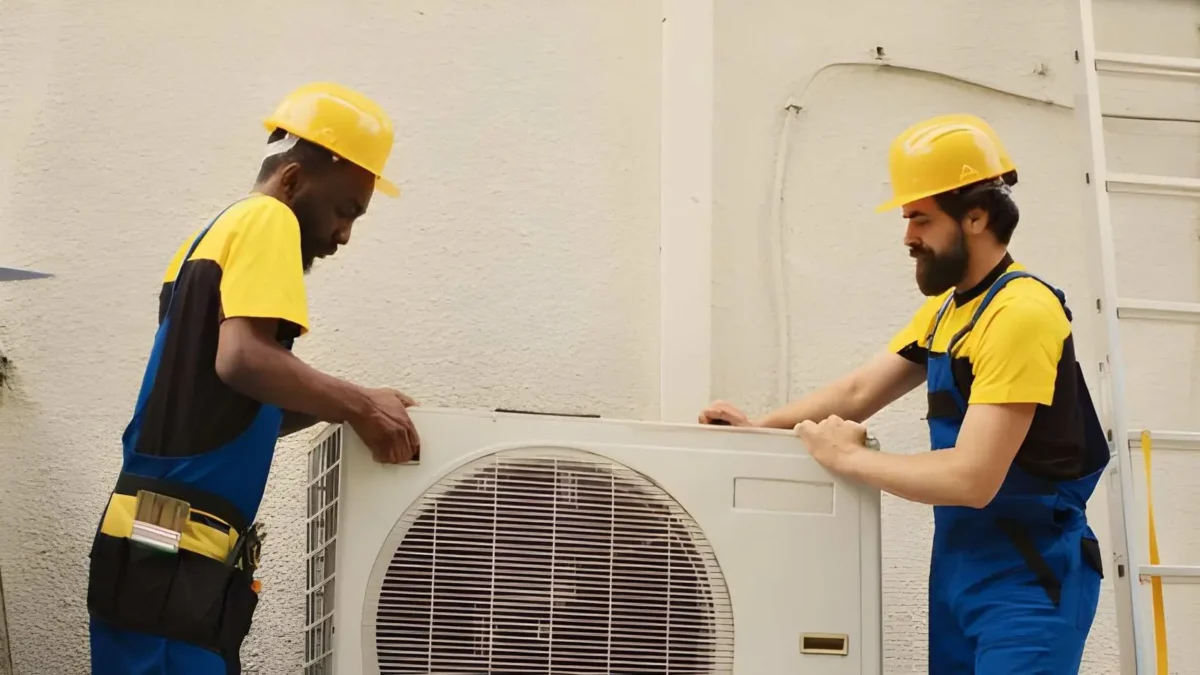

AC replacement involves analyzing the system condition, home comfort needs, and long-term performance planning. Before choosing a new unit, homeowners benefit from understanding installation requirements and efficiency factors. Here are a few things to know about AC replacement before making a decision:
Confirm Replacement Need
Evaluating the system’s age and mechanical issues helps determine when AC repair should shift toward replacement. Older units nearing the end of their functional lifespan may break down more frequently because major components degrade in performance as they wear out. An AC repair specialist inspects the system and determines whether repair or replacement is better suited to the equipment’s condition. Some operational red flags indicate when repair is no longer a practical option. Failed compressors, damaged coils, repeated cooling interruptions, and short cycling signal deeper equipment problems. Older cooling systems use outdated refrigerants, so servicing or topping up can become more difficult.
Regular system evaluations can help homeowners identify mechanical issues before total equipment failure occurs. When deciding whether to maintain an existing unit or invest in a full system replacement, consulting a professional for ac repair in Roseville ensures that underlying operational problems are correctly diagnosed. Addressing smaller component issues early often provides temporary relief while long-term replacement plans are evaluated.
Evaluating the whole heating and cooling setup ensures that heating elements won’t conflict with new cooling components. If your system relies on a heat pump or combined HVAC arrangement, seeking timely heater repair can resolve small mechanical issues before they affect overall airflow or force a full replacement sooner than necessary.
Check Equipment Compatibility
Evaluating an AC replacement decision requires assessing the outdoor unit, refrigerant lines, indoor coils, and air handler. Modernizing one component requires compatible indoor evaporator coils, and matching motors help support system performance. High-efficiency units may have airflow requirements that older blower designs cannot support.
A cohesive replacement design incorporates system type and capacity mapping to meet both cooling and air-movement requirements for the climate and home layout. That pre-selection helps technicians verify refrigerant line connections, and it reduces the risk of capacity mismatches when upgrading the outdoor unit. Evaluating existing equipment reveals how replacing the outdoor condenser impacts the rest of the system.
System compatibility also extends to how overall heating and cooling components interact throughout the year. Having an experienced hvac technician assess the existing setup ensures that airflow and power demands match the new equipment specs, preventing unexpected strain on connected components during peak operational months.
Evaluate Indoor Airflow
Testing the air quality before installation helps select appropriate filters and purification systems for cleaner airflow. A professional evaluates airflow and filtration needs, and this assessment helps confirm that the system is set up for circulation. Air quality tests help identify pollutants, moisture concerns, and filtration needs that affect indoor comfort. High-efficiency filters use pleated media to trap small particles before air circulates through the home.
Air purification systems filter out airborne particles, remove dust, and reduce certain indoor contaminants, improving indoor air quality. Whole-house humidifiers help balance indoor dryness during seasonal weather changes and support comfort when the air is dry. Routine filter maintenance allows systems to continue purifying and exchanging air, even with normal usage over time.
Assess Home Layout
Room-to-room heat buildup indicates that the HVAC system’s imbalances exceed what equipment selection alone can fix. Second-floor rooms, bonus rooms, and sun-facing spaces may need separate airflow planning before replacement begins. A qualified specialist determines whether to install damper systems or add ductless mini-split services, and each option supports targeted zones across the house.
Automation for temperature control allows you to organize indoor areas by zone and tailor comfort preferences for each room, making the unit more efficient. Retrofitting zoned damper systems can integrate with modern automation platforms, providing control to adjust airflow in specific areas. Coordinated zoning creates a layered approach to achieving more consistent temperatures in each room.
Single-thermostat systems might struggle to balance sun exposure, room location, and airflow differences that keep sections hot. Zoned thermostats regulate the temperature in each room individually, and an HVAC inspection reveals whether layout factors are driving the need for zone improvements. That allows homeowners to verify sizing before making a replacement decision.
Plan Air Quality Upgrades
AC assessment provides an opportunity to upgrade the equipment and core systems needed to support air quality. That type of pre-installation planning helps determine whether the home would benefit from high-efficiency filters and whether a humidification system needs replacement. These upgrades can be coordinated with AC installation to improve airflow, filtration, and indoor comfort.
Through air quality testing, HVAC companies assess the home to determine whether moisture reduction and related upgrades are needed. Assessing interconnected systems before finalizing installations provides a complete plan, and it addresses comfort, airflow, and indoor air quality needs. Experienced HVAC contractors use these assessments to inform the AC replacement plan and recommend accessories that support the indoor environment.
Consult an AC Replacement Specialist
HVAC professionals can provide solutions to restore comfort following unexpected AC breakdowns. Preventive maintenance helps extend your unit’s service life, and it reduces strain on system components. Older systems or units consuming excessive energy may require replacement. Contact an expert to help you choose the right AC replacement option for your space.
Also Read
- Innovative Technologies in Metalworking Equipment
- How Chandeliers Can Make a Home Feel More Elegant
- Liability Insurance Essentials for Growing Businesses







Leave a Comment