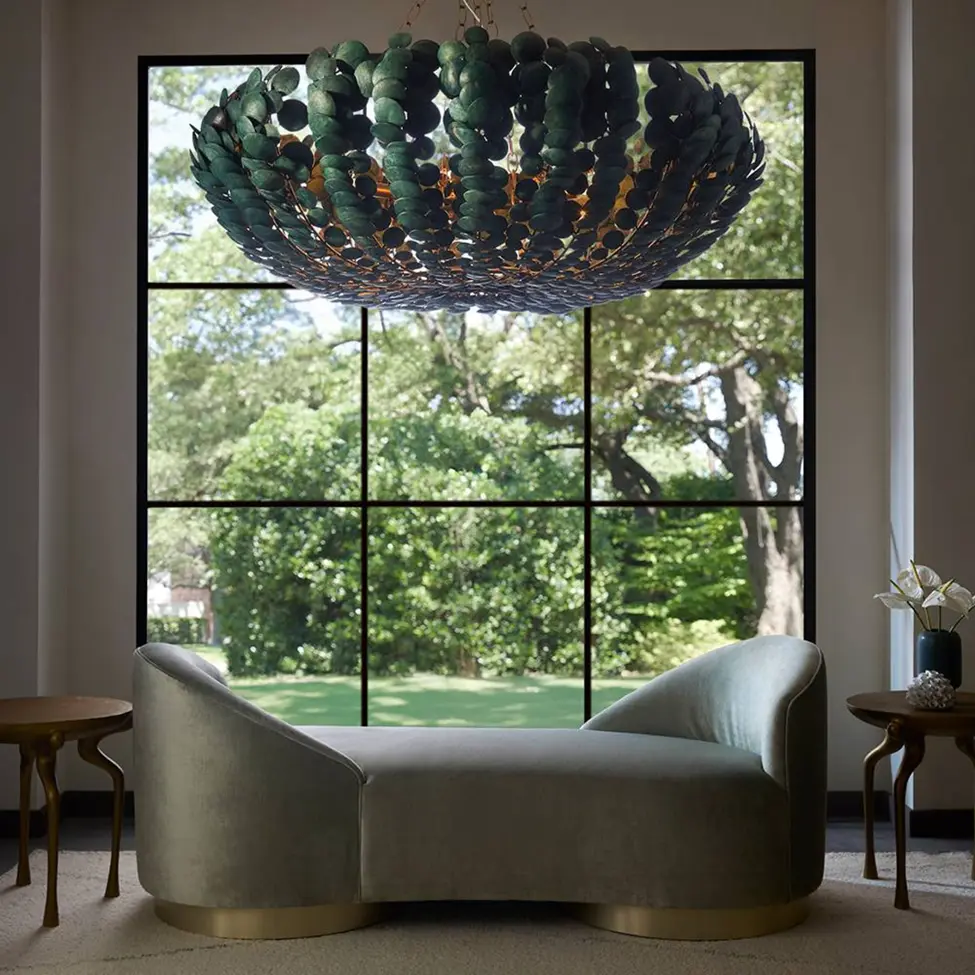

Lighting plays a major role in the way a home feels. It affects comfort, mood, and the overall atmosphere of a space. Among all lighting styles, chandeliers often stand out because they combine function with visual impact. Many homeowners choose high end chandeliers when they want lighting that feels refined, welcoming, and connected to the style of the room.
A chandelier can change the feeling of a room the moment someone walks in. It draws the eye upward, adds shape to the space, and creates a natural focal point. In some homes, it brings warmth and softness. In others, it adds drama and structure. The right fixture can make even a simple room feel complete.
Today, chandeliers are not limited to formal dining rooms. Designers and homeowners use them throughout the home to create balance, improve lighting, and introduce personality into everyday spaces.
Create a Strong First Impression
Entryways often shape how people experience a home. A chandelier in this area can make the space feel inviting from the start. Even a modest entry can feel more polished when overhead lighting adds warmth and detail.
The fixture does not need to be oversized to make an impact. Scale matters more than size alone. A chandelier that fits the room correctly often feels elegant without overwhelming the space.
Materials also influence the mood. Glass can feel light and open. Metal finishes can add structure. Natural textures can soften the room and make it feel relaxed. The style should support the home rather than compete with it.
Bring Warmth to Dining Areas
Dining rooms remain one of the most common places for chandeliers because lighting helps shape the atmosphere around the table. Meals feel more comfortable when lighting feels warm and balanced.
A chandelier above the dining table creates a visual center for the room. It also helps define the dining area, especially in open floor plans where spaces flow together.
Soft lighting encourages people to slow down and stay at the table longer. This can make family meals, gatherings, and celebrations feel more enjoyable. Dimmers can also help adjust brightness throughout the day and evening.
Shape matters in dining rooms as well. Long tables may work well with linear fixtures, while round tables often pair naturally with round or clustered designs.
Add Depth to Living Rooms
Living rooms benefit from layered lighting. Ceiling fixtures, table lamps, floor lamps, and wall lights all work together to create depth. A chandelier can act as the central element that ties the room together.
In larger spaces, chandeliers help prevent the ceiling from feeling empty. They also add movement and visual interest above eye level. This helps the room feel balanced from floor to ceiling.
Some homeowners choose sculptural chandeliers that act almost like artwork. Others prefer simpler forms that blend quietly into the room. Both approaches can work well when the scale and materials suit the surrounding furniture and décor.
Make Bedrooms Feel Softer
Bedrooms should feel calm and restful. A chandelier can support this feeling by adding soft overhead light and a sense of comfort. Many modern bedroom chandeliers use warm finishes, fabric shades, or curved forms that help the room feel gentle rather than formal.
The fixture should not dominate the room. Instead, it should support the overall mood. Soft lighting combined with bedside lamps often creates the best balance for daily routines.
Bedrooms with higher ceilings can especially benefit from a chandelier because it helps the room feel connected and grounded.
Use Lighting to Highlight Architecture
Chandeliers can also draw attention to architectural details. In homes with tall ceilings, exposed beams, staircases, or open layouts, lighting helps define the structure of the space.
A chandelier above a staircase can guide the eye upward and create flow between levels. In rooms with vaulted ceilings, a fixture can make the space feel more intimate and less empty.
The relationship between lighting and architecture matters because both affect how people move through the home. Good lighting supports the shape of the room instead of fighting against it.
Choose Materials That Match the Space
The materials used in a chandelier influence how formal or relaxed the room feels. Crystal often creates a classic and reflective look. Matte black finishes can feel modern. Brass adds warmth. Natural fibers or textured details can make a room feel softer and more casual.
When selecting materials, consider the finishes already present in the home. Flooring, hardware, furniture, and wall colors all contribute to the overall look. Repeating a few tones or textures helps the space feel connected.
Mixing materials can also work well. A chandelier with metal and glass elements may bring balance to a room with wood furniture and fabric seating.
Think About Light Quality
The beauty of a chandelier depends partly on the quality of light it creates. Bright white bulbs can feel harsh in living spaces, while warm bulbs tend to feel more inviting.
Soft lighting often works best in dining rooms, bedrooms, and living rooms because it creates a relaxed atmosphere. Layering the chandelier with table lamps or wall lights can also reduce glare and improve comfort.
Bulb placement matters too. Some chandeliers spread light broadly across the room, while others direct light downward or upward. Think about how the room is used before choosing a fixture style.
Keep the Room Balanced
A chandelier should support the room, not overpower it. Oversized fixtures can make smaller spaces feel crowded. Fixtures that are too small may disappear visually and leave the room feeling unfinished.
Balance comes from proportion. Ceiling height, furniture size, and room width all help determine what works best.
Spacing is also important. Leave enough visual room around the chandelier so the shape can stand out naturally. Crowding the ceiling with too many fixtures can make the room feel busy.
Let Lighting Reflect Personal Style
A home feels elegant when it reflects the people who live there. Chandeliers offer many ways to express style, whether the home leans modern, traditional, natural, or eclectic.
Some people prefer clean lines and simple shapes. Others enjoy bold fixtures with sculptural forms or layered materials. The best choice is often the one that feels connected to the rest of the home.
Lighting should improve daily life while adding beauty to the space. A thoughtful chandelier can create warmth, guide attention, and help each room feel more complete. Small changes in lighting can shape the experience of the entire home.
Also Read
- Preparing Your Home for a Stress-Free Sale
- Is a 2-Person Infrared Sauna Worth It for Your Home?
- Real Estate Insights for Accurate Housing Forecasts







Leave a Comment