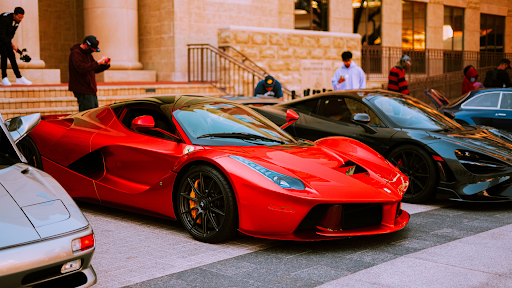

Buying a luxury car in 2025 feels very different from a decade ago. Today’s buyers expect more than leather seats and quiet rides; they want technology, sustainability, and a smooth buying process. This shift has transformed luxury car buying into a more thoughtful experience where value and trust matter as much as performance.
Premium automotive brands are now held to higher standards, shaping a new luxury car experience for modern drivers. In luxury car buying, expectations have shifted toward transparency, convenience, and genuine customer care. That is exactly what defines today’s premium automotive brands in a competitive market right now.
What Defines a Premium Car Brand Today
Here’s the thing worth understanding upfront: modern drivers aren’t simply buying transportation. They’re investing in something that reflects who they are. Getting clear on what truly defines a premium brand today is the essential first step toward meeting those elevated expectations, whether you’re a founder building a brand, a marketer shaping the story, or a buyer doing your homework.
Houston has always taken its cars seriously. Sprawling geography, a culture that prizes craftsmanship, and a population that genuinely cares about quality, all of it adds up to a city where both vehicle performance and dealership experience get scrutinized hard. That local standard is exactly what makes the genesis of west houston, situated right on the Katy Freeway, worth paying attention to. Their focus on personalized service, transparent pricing, and a buying experience that feels human rather than transactional fits precisely what today’s Houston drivers are actually looking for.
Redefining What “Premium” Even Means Anymore
The old playbook, slap a luxury badge on a nicely equipped vehicle, charge more, done, no longer holds up. Buyers see right through it.
From Status Symbol to Something Real
Today’s buyers want brands that genuinely stand for something. Ethical manufacturing, environmental accountability, and honest communication about values carry as much weight as horsepower figures now. Premium automotive brands are judged increasingly by how they source materials, how they treat the people in their supply chains, and how transparently they discuss environmental impact. Younger buyers, especially, aren’t taking brand legacy at face value. They’re researching.
Global Forces Reshaping Luxury Automaker Strategy
AI-driven personalization, rapid electrification, and portfolio diversification are fundamentally changing what luxury automakers offer customers. Gen Z and millennial buyers aren’t moved by history alone. They want brands that communicate with data-backed honesty and a clear vision of the future. Legacy helps, but it no longer closes the deal by itself.
The Luxury Features Buyers Are Actually Demanding
Now that we’ve covered how premium brands are rethinking their identity, let’s get specific about the in-vehicle features that modern driver expectations are putting front and center before anyone even thinks about signing paperwork.
Safety Tech Isn’t Optional Anymore
Level 2 and Level 3 autonomous capabilities, adaptive cruise control, lane-keeping assist, collision avoidance, and 360-degree cameras have migrated from impressive extras to baseline requirements in the luxury segment. Safety technology is now one of the most critically evaluated luxury car features during any serious buyer’s research process. Full stop.
The Cabin as Personal Sanctuary
Ambient lighting, premium soundproofing, rear-seat infotainment, massage seats, air purification systems, these aren’t gimmicks. They signal a genuine industry shift toward treating the vehicle interior as a wellness environment. Buyers want to climb into something that feels like a retreat, not just a commute.
Performance and Sustainability Stopped Fighting Each Other
Electric drivetrains deliver instant torque that rivals, and often beats, traditional combustion engines outright. Luxury hybrid models now offer genuine green credentials without sacrificing the excitement that premium buyers expect. *Sustainability and performance are no longer opposing forces.* Brands that truly get this are pulling ahead in market share, and the gap is widening.
The Technology Trends Quietly Reinventing Luxury
These standout features don’t exist in a vacuum. They’re powered by a fast-moving wave of automotive technology trends that’s fundamentally reshaping what it feels like to sit behind the wheel of a high-end vehicle.
The Buying Journey Starts on Your Phone Now
Online configurators, virtual test drives, connected apps for remote vehicle management, by the time a buyer walks into a showroom, they’ve already spent hours engaging with the brand digitally. The purchase journey begins on a phone screen, not a dealership floor.
Infotainment Expectations Have Jumped Dramatically
Wireless Apple CarPlay and Android Auto, over-the-air software updates, voice-activated assistants, in-car WiFi, these are standard expectations in the premium segment today. A vehicle that can’t receive remote updates feels dated almost immediately to any tech-savvy buyer. That’s just the reality now.
| Feature | Past Expectation | Current Expectation |
| Infotainment | Basic touchscreen | OTA updates, voice AI |
| Safety | Airbags, ABS | Level 2-3 autonomy |
| Sustainability | Low emissions | Full EV/hybrid range |
| Buying Experience | In-person only | Omnichannel digital + physical |
| After-Sales | Scheduled service | App-based, concierge options |
AI Isn’t Coming, It’s Already Here
AI-powered diagnostics can predict maintenance needs before problems even surface. Systems that learn individual driving habits and adjust comfort and performance settings accordingly aren’t futuristic concepts anymore; they’re already shipping in several flagship models. Buyers who’ve experienced it don’t want to go back.
Security Got Personal
Biometric authentication, digital vehicle keys, and advanced anti-theft tracking have become critical as connected cars accumulate more personal data than ever. Privacy controls aren’t a bonus feature anymore. Informed buyers actively ask about them during the shopping process.
Customer Experience Is Now the Competitive Frontier
Impressive technology sets the stage, but the end-to-end customer experience in the automotive industry, from first Google search to years of satisfied ownership, is ultimately what determines which premium brands build lasting loyalty and which ones lose buyers to competitors after one frustrating interaction.
Personalized Journeys and Virtual Showrooms
Concierge-level service, augmented reality vehicle visualizations, and digital deal-making have transformed what dealership interactions look like. Buyers increasingly expect to configure, finance, and in many cases close deals without the traditional high-pressure showroom dynamic. That dynamic aged poorly.
Premium satisfaction levels reflect this shift. A 2025 J.D. Power APEAL Study found that premium brand owner excitement rose 11 points, double the mass-market increase, with overall satisfaction climbing to 851, the highest since 2020 (evpulse.com).
After-Sales Care That Actually Feels Premium
At-home vehicle servicing, subscription-based ownership packages, pick-up and delivery for maintenance, these are becoming expected, not exceptional. Exclusive owner events and loyalty programs build real community and keep buyers engaged long after the transaction is complete.
Belonging to Something, Not Just Owning Something
Social media interaction, crowdsourced product feedback, brand lifestyle communities, increasingly, these are part of what premium ownership actually means. Buyers want a relationship with the brand. Transactional is no longer enough.
Sustainability Isn’t a Talking Point Anymore, It’s a Filter
Delivering a world-class ownership experience matters enormously, but today’s discerning drivers are equally scrutinizing whether the brands they support are making responsible choices about the world they’re building alongside us.
Zero-Emission Flagships Are Leading the Way
Luxury EV adoption is accelerating. Premium automotive brands are leading electric transitions with flagship zero-emission models that refuse to compromise on refinement or performance. Vegan interiors, recyclable components, and sustainable material sourcing are increasingly common in brand conversations and increasingly decisive in buyer decisions.
Transparency in the Supply Chain
Carbon offsetting, green energy partnerships, supply chain transparency reports, and informed buyers are reading this material now. Brands that can’t demonstrate environmental accountability are losing ground, particularly among buyers under 40. That’s a significant and growing slice of the luxury market.
Why the Premium Dealership Still Matters Enormously
Sustainable values and brilliant engineering mean little if they aren’t communicated and delivered brilliantly at the point of contact. The modern premium dealership has become a genuine battleground for brand loyalty, and getting it wrong is expensive.
Showrooms Designed Around the Customer
Hospitality-driven spaces, transparent pricing, and technology-integrated environments, these are the standard for serious luxury car features retailers operating today. Walking into a dealership should feel like a curated experience. Not a negotiation with someone who has your keys.
Digital-First Service That Actually Follows Through
Remote diagnostics, app-based service scheduling, and transparent repair tracking, are after-sales touchpoints that determine whether a customer comes back or quietly takes their next purchase elsewhere. This is where brands either cement or lose long-term loyalty, and the gap between good and great is surprisingly small.
Personalization Across the Entire Ownership Lifecycle
CRM systems that anticipate service needs, send genuinely relevant offers, and actually remember customer preferences are no longer considered cutting-edge; they’re expected. Consistent, thoughtful personalization throughout ownership separates exceptional dealerships from merely adequate ones.
What’s Coming Next in Luxury Driving
As dealerships continue raising the bar on personalized, digitally integrated service, the broader industry is already accelerating toward breakthroughs that will redefine what luxury driving means altogether. Honestly, it’s an exciting time to be paying attention.
Level 4 and 5 Autonomy Are on the Roadmap
Major luxury automakers are already drawing up their autonomy timelines. The cabin of the future won’t just be a wellness space; it’ll function as a mobile living room where actual driving becomes entirely optional for whoever wants it that way.
Your Car Joins Your Connected Home
Voice-controlled garage systems, smart EV charging integration, full ecosystem syncing with home devices are becoming genuine selling points. The vehicle is increasingly part of a connected lifestyle rather than a standalone product category.
Subscription Ownership Is Gaining Real Traction
Monthly luxury car subscriptions are changing how buyers conceptualize vehicle ownership entirely. Flexibility, access over possession, and hassle-free transitions between models are attracting younger, experience-first buyers in meaningful numbers. In the same spirit of access over ownership, a workplace electric car scheme lets employees drive a premium EV through a single pre-tax monthly payment, often making the latest models far more affordable than outright purchase. It’s not a niche anymore.
Your Most Common Questions About Premium Brands, Answered
1. Which luxury car features matter most to today’s buyers?
Advanced safety systems, cabin wellness technology, and seamless digital connectivity consistently rank highest. Personalization options, ambient lighting, performance tuning, interior customization carry significant weight in final purchase decisions.
2. How are premium brands integrating sustainability?
Most major luxury brands now incorporate electric drivetrains, recyclable interior materials, and responsible sourcing practices. Carbon-neutral manufacturing commitments and supply chain transparency reports are increasingly standard in brand communications.
3. Why do connected car features matter so much now?
They deliver convenience, safety, and personalization that drivers quickly come to depend on. Over-the-air updates mean the car improves over time, fundamentally changing the ownership value proposition for any tech-savvy buyer.
4. What sets dealerships like Genesis of West Houston apart?
When it comes to customer experience, Genesis of West Houston distinguishes itself through a tailored approach, honest pricing, and digital-forward convenience. Buyers can count on concierge-style service, certified pre-owned inventory, and after-sales care that genuinely reflects an ongoing commitment to ownership satisfaction.
5. Are luxury EVs as reliable as traditional models?
Reliability data for luxury EVs is improving steadily and meaningfully. Several premium EV models now match or exceed conventional counterparts in owner satisfaction, particularly in performance, technology integration, and long-term cost of ownership.
What All of This Means for You
The bar for premium automotive brands has genuinely never been higher, and honestly, that’s worth celebrating. Today’s buyers are smarter, better informed, and more demanding than any previous generation of car owners.
They want vehicles that align with their values, technology that genuinely improves daily life, and a buying experience that respects their intelligence from first click to final signature. Brands and dealerships willing to invest seriously in all of these areas, from sustainable manufacturing to concierge-level after-sales care, will earn the kind of loyalty no marketing budget can manufacture on its own. The modern driver expectations reshaping this industry aren’t passing trends. They’re a permanent reset of what premium actually has to mean.
Read more: Why Mesh Motorcycle Intercom Is Transforming Modern Riding Experiences
Blackjack or Baccarat? Find the Style That Fits You Best
Smart Shopping Tips for Buying Stylish Accessories

Grace Mitchell is a content writer at GrammerWay, focused on English grammar, clear writing, and common language mistakes. She creates simple, reader-friendly guides to help improve writing confidence.
Leave a Comment