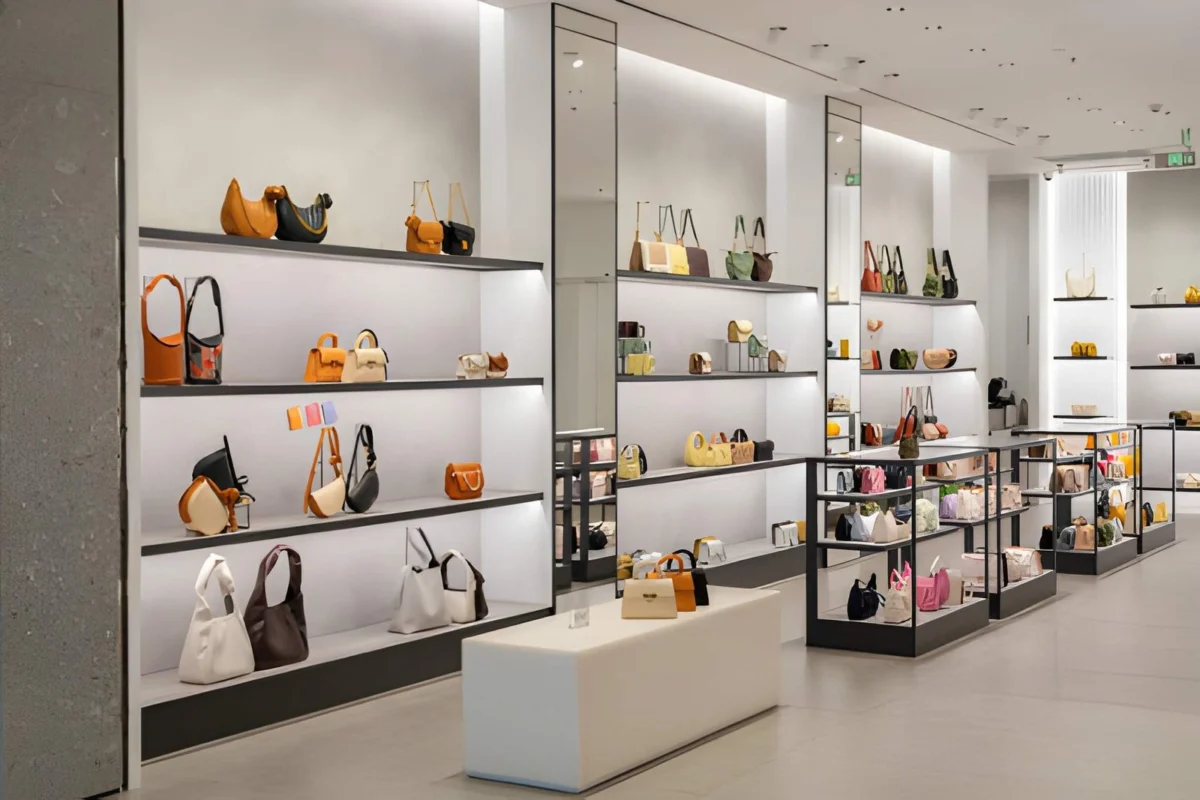

I used to buy accessories because they looked cute in the store. Then I kept ending up with peeling belts, tarnished jewelry, flimsy bags, and sunglasses I barely wore. These Smart Shopping Tips for Buying Stylish Accessories helped me stop wasting money and start choosing pieces that actually work.
A stylish accessory should improve your outfit, fit your lifestyle, and last longer than one trend cycle. Before I buy anything now, I check versatility, material, construction, comfort, and cost-per-wear.
Start With Versatility Before Style
The smartest accessories are the ones you can wear again and again. I always begin with neutral colors like black, tan, gold, silver, tortoiseshell, and soft brown because they pair easily with most outfits.
A tan belt works with denim, shirt dresses, trousers, and blazers. A black structured tote can move from work to dinner. Simple gold or silver jewelry becomes a daily base layer instead of a one-time statement.
Multi-way accessories also give better value. I like bags with removable straps because they can work as a crossbody during the day and a clutch at night. Belt sets with interchangeable buckles are also useful because one strap can shift between casual and formal looks.
When comparing deals, I like checking practical savings ideas from raking in the savings shopping tips because the smartest accessory deal is not always the cheapest one. It is the piece you will wear often without replacing quickly.
Check Quality Before You Buy
A good accessory should look clean up close. If it only looks good from far away, I usually skip it.
Start with the hardware. Zippers should glide smoothly. Buckles should feel firm. Clasps should snap shut tightly. If the metal already looks scratched, hollow, or too lightweight, it may not handle regular wear.
Next, check stitching and edges. Bags and belts should have even seams, clean finishing, and no loose threads. For belts, stitched or slightly raised feathered edges are better because they resist curling and creasing over time.
Weight also matters. Quality jewelry and bags usually feel balanced, not flimsy. A very hollow feel can be a warning sign, especially for daily-use pieces.
Smart Belt Shopping Strategies
A belt may seem simple, but small details decide whether it becomes a wardrobe staple or a regret purchase.
For everyday belts, I prefer genuine full-grain leather when the budget allows. Full-grain leather usually ages better because it uses the stronger outer layer of the hide. If full-grain is too expensive, I look for clean stitching, smooth backing, and a sturdy buckle.
The underside matters too. A smooth nubuck or leather back feels better and lasts longer than rough synthetic vinyl. If the back looks cheap, the belt may peel or crack faster.
Sizing is another detail many shoppers miss. For standard belts, I usually choose about two inches larger than my pant waist size. That helps the belt fasten near the middle hole, which looks cleaner and allows small fit changes.
A classic leather belt is one of my “big three” staples, along with a structured tote and versatile sunglasses. These pieces can make even simple outfits feel polished.
Formal Waist-Snatching Belts Need Extra Care
A waist-snatching formal belt can define your shape beautifully, but it needs stronger construction than a casual belt.
I prefer a width between 1.5 and 3 inches because it distributes tension better across the waist. Very thin belts can dig in, while weak wide belts may fold or roll. Look for stiff internal reinforcement, bonded lining, or a firm core so the belt keeps its shape when cinched.
Adjustability is also important. Choose a belt with a sliding mechanism or closely spaced holes so you can tighten it exactly at your natural waist.
If you have sensitive skin, pay close attention to the buckle. Waist belts pull tighter against the body, which can push metal closer to your skin. Choose certified nickel-free, hypoallergenic, titanium, surgical stainless steel, or pure brass hardware when possible.
Avoid vague claims like “nickel-safe” and skip cheap gold-plated or silver-plated buckles that may wear down quickly.
A leather backing tab behind the buckle is another smart feature. It helps prevent metal from rubbing directly against your clothes or skin.
Smart Jewelry Shopping Strategies
Jewelry can look beautiful online, but the metal details matter most.
I always check stamps before buying. “925” usually means sterling silver. “GF” means gold-filled. “14K” or “18K” means solid gold. These marks help you understand what you are paying for.
I avoid flash-plated jewelry for daily wear because thin plating can fade fast. It may also discolor skin, especially when mixed with sweat, lotion, or perfume. Gold-filled, sterling silver, surgical stainless steel, titanium, and nickel-free metals are better choices for regular use.
Always test clasps before buying. Lobster claws, toggles, and spring rings should open and close firmly. If a clasp feels weak in the store, it will not become stronger after months of wear.
For necklaces, I also check whether the chain catches on fabric. Smooth chains are better for layering and daily outfits.
When I want a single polished finishing piece, I compare watch and jewelry styling ideas from choose top watches accessory guides because a clean watch, bracelet, or simple chain can make a basic outfit look much more refined.
Spend Where It Matters
Not every accessory needs to be expensive. The key is knowing where to invest and where to save.
Use the cost-per-wear rule. If a $90 belt is worn 90 times, it costs $1 per wear. If a $25 trend bag is worn twice, it costs $12.50 per wear. That simple math helps me avoid “cheap” items that are not actually good value.
Spend more on pieces that face daily friction, such as belts, wallets, watches, sunglasses, and everyday bags. Save on hyper-trendy colors, novelty shapes, and seasonal pieces.
Pre-owned shopping can also be smart. Vintage stores, resale apps, and consignment shops often carry better-quality leather bags, belts, and jewelry at lower prices. Just check condition, stitching, hardware, and authenticity before buying.
Curate a Signature Look
Accessories work best when they support your personal style instead of fighting it.
Scale matters. Petite frames may feel overwhelmed by very large totes or oversized belts. Taller or broader frames may carry bold pieces more easily. The goal is balance, not rules.
Limit statement pieces. If I wear bold earrings, I usually keep the necklace simple. If I wear a dramatic belt, I choose softer jewelry. One focal point often looks more expensive than five competing ones.
Mixing high and low pieces also works well. A budget dress can look elevated with a quality belt. Jeans and a tee can look sharper with a structured bag and clean watch.
FAQs About Smart Accessory Shopping
1. What are the best Smart Shopping Tips for Buying Stylish Accessories?
Choose versatile colors, inspect hardware, check stitching, read jewelry stamps, test clasps, use cost-per-wear, and avoid one-outfit trend pieces.
2. How do I know if an accessory is good quality?
Look for smooth zippers, firm clasps, even stitching, clean edges, balanced weight, and clear material labels. Poor finishing usually means poor durability.
3. What belt material lasts the longest?
Full-grain leather is usually the strongest choice for long-term wear. It ages better than many bonded or synthetic materials.
4. What jewelry metals are best for sensitive skin?
Titanium, surgical stainless steel, sterling silver, platinum, and certified nickel-free metals are safer choices for many sensitive shoppers.
5. Should I buy trendy accessories?
Yes, but spend less on them. Save your bigger budget for timeless staples like leather belts, structured bags, watches, and everyday jewelry.
The Closet Glow-Up Starts at Checkout
Stylish accessories should not crowd your closet or drain your budget. I would rather own ten pieces I wear constantly than thirty pieces that looked exciting for one week.
Before buying, pause and inspect the details. Test the clasp. Check the buckle. Feel the stitching. Read the metal stamp. Picture at least five outfits. If the accessory passes those checks, it deserves a place in your wardrobe.
Read more: Common Grammar Mistakes in Sports Writing and How to Avoid Them
Why Precision Matters: Lessons from Floor Renovation and Effective Communication
Essential Vehicle Upgrades for a Comfortable and Sun-Safe Family Road Trip

Grace Mitchell is a content writer at GrammerWay, focused on English grammar, clear writing, and common language mistakes. She creates simple, reader-friendly guides to help improve writing confidence.
Leave a Comment